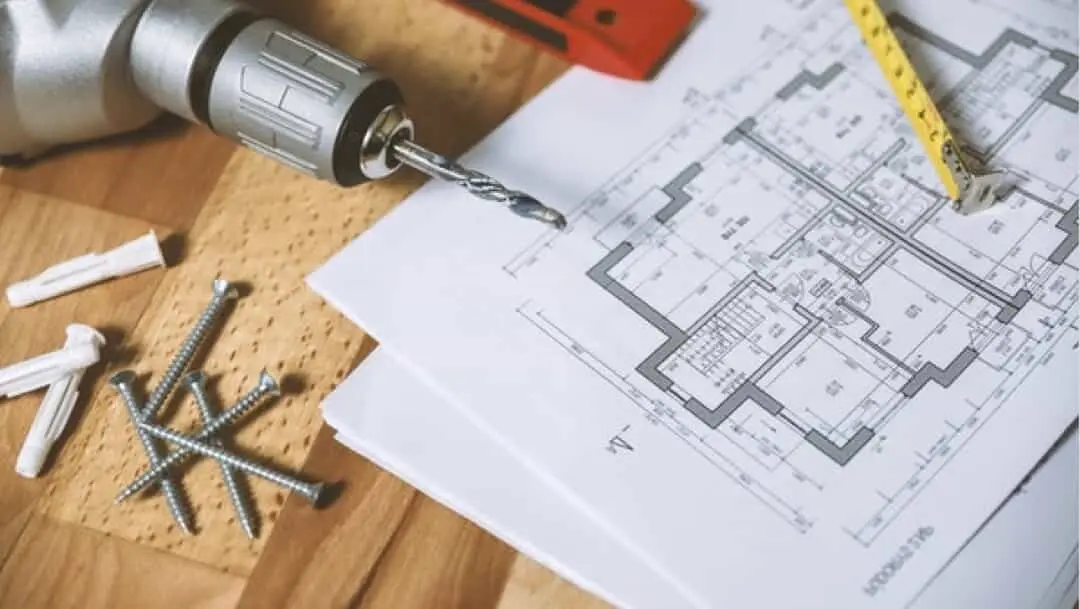
How To Choose the Right 80X30 House Design
When planning your 80X30 house, consider the following factors:
- Determine Your Budget: Set a realistic budget and stick to it, using efficient designs to optimize costs.
- Assess Your Lifestyle Needs: Evaluate your family's present and future needs, including bedroom count and workspace requirements.
- Consider Plot Orientation: Maximize natural light and airflow through proper house placement.
- Prioritize Functionality and Flexibility: Choose designs that offer flexible space usage, ample storage, and efficient traffic flow.
- Consider Vastu Compliance: If desired, opt for 80X30 house plans that align with Vastu principles for potential well-being benefits.
- Explore Variety of Designs: Explore different options like single-story, duplex, and various orientations to find the best fit.
- Consider Space Utilization: Prioritize layouts that make the most of every square foot without wasting space.
Popular 80X30 House Floor Plan
There are various ways to design a 80X30 house plan to suit different preferences and needs. Some popular options include:
- Modern Open Layouts: These layouts remove barriers between living, dining, and kitchen areas, fostering a sense of spaciousness and connectivity.
- Multi-Story Designs: Dual-level designs maximize the 80X30 footprint by adding a second story, providing room for additional bedrooms, bathrooms, or a home office.
- Integrated Outdoor Areas: Incorporating outdoor elements like patios, balconies, or small gardens into the floor plan creates a harmonious blend of indoor comfort and outdoor freshness.
Design Tips for 80X30 House Floor Plans
Here are some practical tips to make the most of your 80X30 house plan:
- Maximize Storage: Integrate built-in storage solutions throughout the home to minimize clutter and maximize living space.
- Optimize Layout: Plan room arrangements to ensure easy movement and functionality. Open-plan designs can enhance the sense of spaciousness.
- Optimized master suite: Design a comfortable master bedroom with an en-suite bathroom, making efficient use of the available space.
- Focus on Light and Ventilation: Prioritize large windows, skylights, and open areas to improve natural illumination and ventilation, creating a more pleasant living environment.
Cost to Build a 80X30 House
The cost of building an 80X30 house in India varies considerably based on factors like location, materials, labor, and design complexity. Construction costs typically range from ₹1,500 to ₹2,500 per square foot. For a 2,400 square foot 80X30 house, the total cost estimate falls between ₹36 lakhs and ₹60 lakhs. This estimate covers essential elements such as foundation, framing, roofing, electrical and plumbing systems, and basic finishes. High-end materials and finishes will increase costs, while more budget-friendly options can lower expenses. Labor costs differ by region, with urban areas generally commanding higher rates than rural locations. Additional costs may include permits, inspections, and site preparation. It's wise to set aside a 10-15% contingency fund for unexpected expenses during construction. For a more accurate estimate tailored to specific needs and location, it's recommended to consult with local contractors.
FAQs About 80X30 Floor Plan
Can a 80X30 house plan accommodate a growing family?
- 80X30 designs can be tailored for growing families, offering flexible spaces that adapt to changing needs over time.
What are the common features of a 80X30 house design?
- These plans often prioritize functional layouts, smart storage solutions, and versatile living areas to maximize the available space.
How can I maximize space in a 80X30 house design?
- Consider vertical storage, multifunctional furniture, and clever room divisions to make the most of the 2,400 square feet.
What factors should I consider when choosing a 80X30 house plan?
- Evaluate local building codes, energy efficiency options, and potential for future modifications when choosing a plan.
How much does it cost to build a 80X30 house?
- Building expenses vary widely. Factors like finishes, local material costs, and labor rates significantly impact the final price.