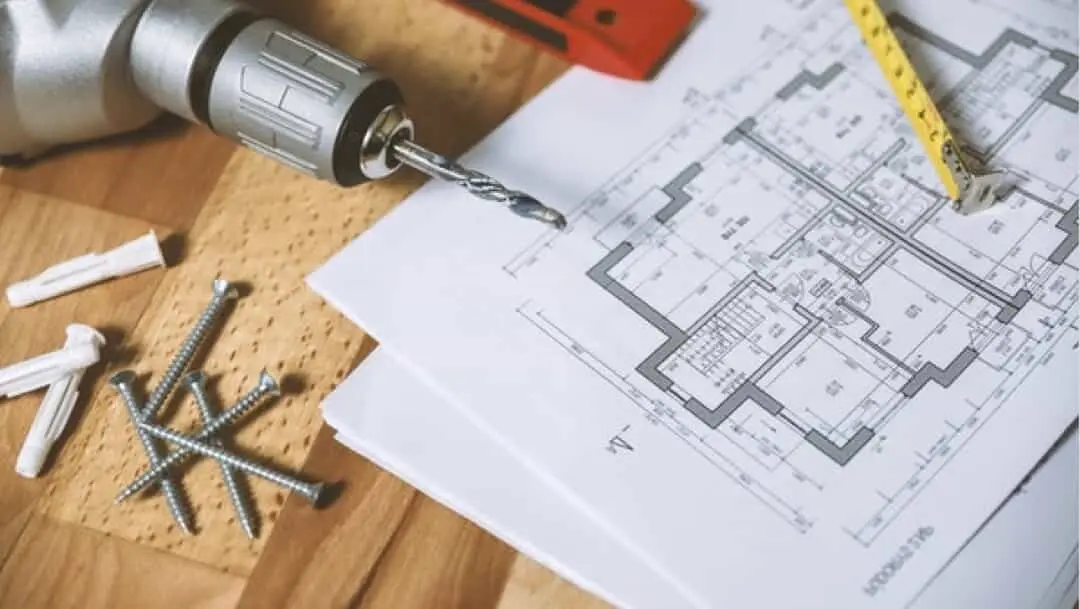
How To Select the Right 3 BHK South-Facing House Design
Selecting the ideal 3 BHK south-facing house design requires careful consideration of several crucial factors:
- Budget Planning: Set your budget early to steer design decisions and maintain cost efficiency. Allocate funds for essential construction elements and premium finishes.
- Lifestyle Requirements: Plan for current and future needs, ensuring a comfortable living area, functional kitchen, and ample storage.
- Optimal Orientation: South Facing homes benefit from abundant sunlight, especially in winter, creating a warm and inviting atmosphere.
- Flexibility and Functionality: Select layouts offering versatile living spaces, efficient circulation, and ample storage, adaptable to evolving lifestyle needs.
Popular 3 BHK South-Facing House Floor Plans
Discover versatile 3 BHK south-facing house floor plans designed to enhance your living experience:
- Modern Open Layouts: Integrate living, dining, and kitchen areas for a spacious, interconnected feel.
- Multi-Functional Designs: Maximize each room's utility with multifunctional furniture and built-in storage solutions.
- Outdoor Integration: Enhance your lifestyle with a balcony, patio, or small garden that seamlessly extends indoor living spaces.
Design Tips for 3 BHK South-Facing House Floor Plans
Ensure your 3 BHK south-facing house floor plan maximises comfort and efficiency with these practical tips:
- Natural Light Optimization: Use large windows, skylights, and light wells to maximise the amount of daylight entering the space.
- Ventilation Strategies: Implement cross-ventilation designs to enhance air quality and create a comfortable indoor atmosphere.
- Space Utilization: Optimize every square foot with built-in storage, multifunctional furniture, and efficient traffic flow patterns.
Cost Considerations for Building a 3 BHK South-Facing House
In India, building a 3 BHK house facing south can vary in cost depending on factors such as location, materials used, labour rates, and the complexity of the design. Typically, construction costs range from ₹1,500 to ₹2,500 per square foot. For example, constructing a 1200 sq ft house could total between ₹18 lakhs and ₹30 lakhs. These expenses cover essential aspects like foundation work, framing, roofing, electrical wiring, plumbing, and basic finishes. Additional costs might include permits, inspections, and site preparation. It's wise to set aside 10-15% of the total budget as a contingency to manage unexpected expenses. For a precise estimate tailored to specific requirements and local conditions, consulting with local contractors is advisable.
FAQs About 3 BHK South Facing House Plans
What are the benefits of a south-facing house?
- A south-facing house typically receives ample natural light throughout the day, especially during winter, enhancing warmth and energy efficiency. This orientation can lower heating costs and create a bright, inviting living environment.
How can I enhance the curb appeal of my 3 BHK south-facing house?
- Boost curb appeal by integrating appealing landscaping, a well-maintained front yard, and stylish exterior elements like an inviting entrance, a charming porch, or contemporary facade details. Employ a harmonious colour scheme and premium materials for a refined appearance.
How should I position furniture in a 3 BHK south-facing house?
- Arrange furniture to maximise natural light utilisation and ensure smooth traffic flow. Place larger items such as sofas and beds against walls to open up pathways. Opt for versatile furniture pieces to optimise space and minimise clutter.
What are some design ideas for small outdoor spaces in a south-facing house?
- For compact outdoor areas, utilise vertical gardening, compact seating options, and foldable furniture. Incorporate potted plants and hanging baskets for greenery without occupying significant ground space. Enhance the ambience with outdoor lighting.
How can I maintain a comfortable indoor temperature in a south-facing house during the summer?
- To regulate indoor temperature during summer, employ thermal curtains or blinds to block excessive heat. Install ceiling fans and ensure adequate ventilation for air circulation. Consider reflective window films and planting shade-providing trees to reduce heat absorption.