


Understanding the types of cracks in building is essential for maintaining structural safety, durability, and property value. While some cracks are minor and result from normal material shrinkage, others may indicate serious structural issues requiring immediate attention. Identifying the type, pattern, width, and location of a crack helps determine its cause and the appropriate repair method. This guide explains the common types of building cracks, their causes, warning signs, repair options, and preventive measures for residential and commercial structures.
Quick Answer
The types of cracks in building include structural and non-structural cracks such as settlement cracks, shrinkage cracks, thermal cracks, foundation cracks, plaster cracks, and moisture-related cracks. Proper inspection helps determine whether a crack is cosmetic or requires structural repair.
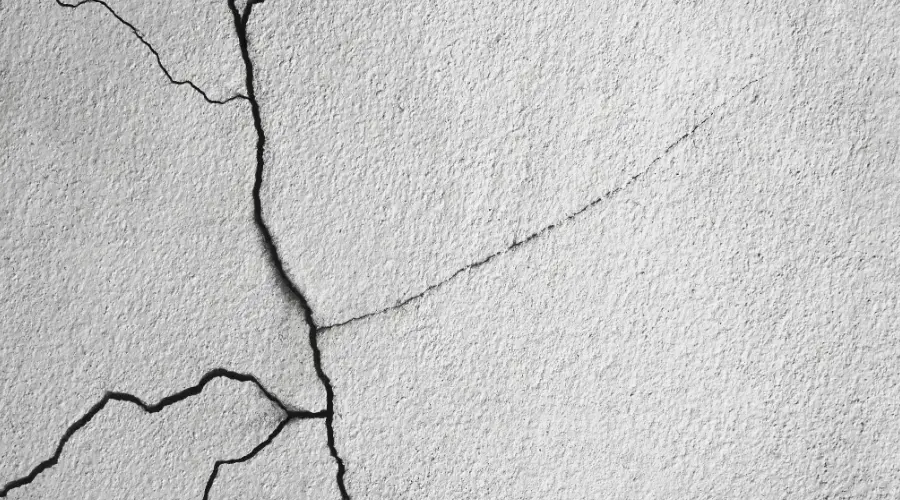
Cracks are among the most common issues observed in buildings. They may develop due to material properties, environmental conditions, construction practices, structural movement, or aging. Although many cracks are superficial, some can affect the stability and serviceability of a structure.
Early identification and timely repairs help prevent further deterioration and reduce long-term maintenance costs.
What Are Building Cracks?
Building cracks are visible separations or fractures that develop in structural or non-structural elements such as walls, slabs, beams, columns, ceilings, and foundations.
Cracks vary in width, depth, direction, and severity. Proper evaluation helps determine whether they are cosmetic or indicative of structural problems.
Classification of Building Cracks
Building cracks are broadly classified into two categories.
Structural Cracks
Structural cracks affect load-bearing components and may influence the stability or strength of a building.
Common causes include:
- Foundation settlement
- Overloading
- Poor structural design
- Earthquakes
- Differential movement
- Reinforcement corrosion
These cracks often require professional assessment.
Non-Structural Cracks
Non-structural cracks generally affect finishes or surface layers without significantly reducing structural capacity.
Typical causes include:
- Drying shrinkage
- Temperature changes
- Moisture variation
- Poor plastering
- Minor building movement
These cracks are usually easier to repair.
Common Types of Cracks in Building
Settlement Cracks
Settlement cracks develop when a building foundation settles unevenly.
Common Characteristics
- Diagonal pattern
- Wider at one end
- Often appear near doors and windows
- May continue to widen if settlement progresses
Possible Causes
- Weak soil
- Uneven foundation support
- Poor soil compaction
- Water movement beneath foundations
Shrinkage Cracks
Shrinkage cracks occur as concrete, mortar, or plaster loses moisture during curing.
Characteristics
- Fine hairline appearance
- Random patterns
- Usually shallow
- Common in plastered surfaces
These cracks are among the most frequently observed non-structural cracks.
Thermal Cracks
Thermal cracks result from expansion and contraction caused by temperature changes.
Common Locations
- Exterior walls
- Roof slabs
- Long concrete walls
- Pavements
Expansion joints help reduce thermal cracking in large structures.
Foundation Cracks
Foundation cracks develop in foundation walls or footings due to movement or structural stresses.
Possible Causes
- Soil settlement
- Water infiltration
- Soil expansion
- Foundation movement
Foundation cracks should be evaluated carefully to determine their severity.
Vertical Cracks
Vertical cracks commonly appear in masonry or concrete walls.
Possible Causes
- Drying shrinkage
- Minor settlement
- Temperature changes
- Material movement
Many vertical cracks are relatively minor, although wider cracks may require further investigation.
Horizontal Cracks
Horizontal cracks may indicate lateral pressure acting on walls.
Common Causes
- Soil pressure
- Water pressure
- Structural movement
- Foundation problems
Horizontal foundation cracks often require professional inspection.
Diagonal Cracks
Diagonal cracks frequently develop around openings such as doors and windows.
Possible Causes
- Differential settlement
- Structural movement
- Stress concentration
- Foundation issues
The direction and width of diagonal cracks help engineers identify the underlying cause.
Stair-Step Cracks
Stair-step cracks follow the mortar joints of brick or block masonry.
Common Causes
- Foundation settlement
- Soil movement
- Differential loading
These cracks are commonly seen in masonry buildings.
Plaster Cracks
Plaster cracks affect only the finishing layer without extending into the structural wall.
Causes
- Improper curing
- Poor workmanship
- Shrinkage
- Surface movement
These cracks are generally cosmetic.
Concrete Cracks
Concrete cracks may occur in slabs, beams, columns, and other reinforced concrete members.
Possible Causes
- Plastic shrinkage
- Drying shrinkage
- Overloading
- Thermal movement
- Reinforcement corrosion
The significance depends on crack width, depth, and location.
Ceiling Cracks
Ceiling cracks may appear in plaster finishes or reinforced concrete slabs.
Common reasons include:
- Shrinkage
- Building movement
- Moisture changes
- Structural deflection
Inspection helps determine whether only the finish or the structural element is affected.
Moisture Cracks
Moisture-related cracks develop when repeated wetting and drying cycles affect building materials.
Contributing Factors
- Water leakage
- Dampness
- Poor waterproofing
- Drainage issues
These cracks are often accompanied by staining or peeling finishes.
Corrosion-Induced Cracks
Corrosion of steel reinforcement causes expansion inside reinforced concrete, leading to cracking.
Typical signs include:
- Longitudinal cracks
- Rust stains
- Concrete spalling
- Exposed reinforcement
Prompt repairs help prevent further deterioration.
Additional Types of Cracks in Building
Plastic Shrinkage Cracks
Plastic shrinkage cracks occur when fresh concrete loses moisture rapidly before completing the curing process.
Causes
- Hot weather conditions
- Strong wind exposure
- Insufficient curing
- High evaporation rates
Prevention
Proper curing, moisture control, and suitable concrete practices help reduce the risk of plastic shrinkage cracks.
Craze Cracks
Craze cracks are fine surface cracks that appear as a network-like pattern on concrete or plaster surfaces.
Causes
- Excess water in the mix
- Improper finishing
- Rapid surface drying
- Poor curing practices
These cracks usually affect appearance rather than structural strength.
Expansion Cracks
Expansion cracks occur when building materials expand due to temperature changes or moisture absorption.
Common Locations
- Long walls
- Concrete floors
- Large slabs
- Pavements
Expansion joints are provided in structures to accommodate movement and reduce cracking.
Settlement Cracks Around Openings
Cracks may develop around doors and windows due to stress concentration or uneven movement.
Signs
- Diagonal cracks from corners
- Cracks above lintels
- Separation between wall sections
Proper lintel support and construction practices help prevent these issues.
How to Identify Serious Building Cracks
Not every crack indicates a major problem. However, certain warning signs require professional evaluation.
Pay attention to:
- Cracks wider than normal hairline cracks
- Cracks that continue growing over time
- Diagonal or stair-step patterns
- Cracks appearing in beams, columns, or foundations
- Water leakage through cracks
- Doors and windows becoming difficult to open
- Uneven floors or visible structural movement
Regular inspection helps identify problems before they become severe.
Methods to Inspect Building Cracks
A proper crack assessment involves examining several factors.
Crack Width Measurement
The width of a crack provides useful information about its severity and possible cause.
Crack Pattern Analysis
The direction and pattern of cracks help identify whether they are caused by settlement, movement, shrinkage, or structural stress.
Location Assessment
The location of a crack is important. Cracks in foundations, columns, beams, and load-bearing walls require more attention than surface-level finish cracks.
Monitoring Crack Movement
For active cracks, monitoring over time helps determine whether the issue is stable or progressing.
Common Causes of Cracks in Buildings
Several factors contribute to the development of cracks.
Poor Construction Practices
Incorrect mixing, inadequate curing, poor workmanship, and improper detailing can increase cracking.
Foundation Movement
Changes in soil conditions, settlement, or inadequate foundation design can create stress within the structure.
Moisture Problems
Water leakage and poor drainage can weaken materials and contribute to crack formation.
Temperature Changes
Repeated expansion and contraction of materials can cause movement-related cracks.
Material Quality Issues
Low-quality materials or improper material selection may reduce durability and increase cracking.
Structural Overloading
Excessive loads beyond the design capacity may create stress cracks in structural components.
Crack Repair Methods
The appropriate repair method depends on the crack type, cause, and severity.
Surface Filling
Small non-structural cracks may be repaired using suitable fillers, sealants, or repair compounds.
Crack Injection
Specialized injection methods may be used for certain concrete cracks to restore continuity and prevent water entry.
Waterproofing Repairs
Moisture-related cracks often require waterproofing solutions along with crack repair.
Structural Repairs
Serious structural cracks may require professional intervention, which may include strengthening, reinforcement repairs, or other corrective measures.
Preventive Measures to Reduce Building Cracks
Preventive construction practices help minimize cracking.
- Use quality construction materials.
- Follow proper curing procedures.
- Ensure correct foundation design.
- Provide adequate drainage around the building.
- Use suitable expansion and control joints.
- Follow recommended construction practices.
- Conduct regular building inspections.
- Address minor cracks before they worsen.
Importance of Timely Crack Repair
Ignoring cracks can lead to:
- Increased repair costs
- Water damage
- Reduced durability
- Damage to finishes
- Potential structural concerns
Early identification allows appropriate repairs and helps maintain the building’s condition.
Conclusion
Understanding the types of cracks in building helps property owners and professionals identify potential issues and choose suitable repair methods. While some cracks occur naturally due to shrinkage, temperature changes, or surface movement, others may indicate structural concerns requiring expert assessment. Regular inspection, proper construction practices, quality materials, and timely maintenance play an important role in reducing crack-related problems. Identifying the cause of a crack rather than only repairing its visible appearance helps ensure long-term building safety and durability.
FAQs
- What are the common types of cracks in building?
The common types of cracks in building include settlement cracks, shrinkage cracks, thermal cracks, foundation cracks, plaster cracks, diagonal cracks, vertical cracks, horizontal cracks, and moisture-related cracks. Each type has different causes and repair requirements.
- Are all building cracks dangerous?
No. Many building cracks are minor and occur due to normal shrinkage, temperature changes, or surface movement. However, cracks in foundations, beams, columns, or load-bearing walls should be inspected to determine whether they indicate structural concerns.
- What causes cracks in building walls?
Building wall cracks can occur due to several reasons, including foundation settlement, moisture problems, temperature changes, poor construction practices, material shrinkage, and structural movement. Identifying the cause is important before selecting a repair method.
- How can I identify a structural crack?
Structural cracks are often wider, continue growing, appear in important structural elements, or show patterns such as diagonal cracks near openings. Professional inspection is recommended when cracks appear severe or progressive.
- Can small wall cracks be repaired easily?
Yes. Small non-structural cracks can often be repaired using suitable fillers, sealants, or surface repair materials. However, the underlying cause should be checked to prevent repeated cracking.
- Why do cracks appear in newly constructed buildings?
New buildings may develop cracks due to material shrinkage, curing issues, temperature changes, settlement, or minor construction-related movements. Proper construction practices and monitoring help manage these issues.
- How can building cracks be prevented?
Building cracks can be reduced through proper foundation design, quality materials, correct curing, effective drainage, suitable joints, skilled workmanship, and regular maintenance inspections.
- When should I consult an expert for building cracks?
You should consult an expert when cracks are wide, increasing in size, located in structural elements, accompanied by water leakage, or associated with signs such as uneven floors, wall movement, or difficulty operating doors and windows.
 prasanthkumar
  wordpress-prod