


5 ways to make a building earthquake proof include building a solid foundation, using structural reinforcement, securing non-structural components, installing flexible utility lines, and adding seismic dampers where suitable. Strictly speaking, no building can be made completely earthquake-proof, but it can be designed to resist earthquake forces, protect lives, reduce damage, and remain functional after shaking. Brick & Bolt explains that earthquake-resistant buildings are possible even though complete earthquake-proofing is not. This guide explains practical design methods, construction checks, homeowner precautions, and mistakes to avoid.
Quick Answer
The 5 ways to make a building earthquake proof are to use a strong foundation, reinforce the structure with RCC, steel, shear walls, braced frames, and diaphragms, anchor non-structural items, use flexible water, drainage, and electrical lines, and install seismic dampers for shock absorption. These steps make buildings more earthquake-resistant, not completely earthquake-proof.
Five Fundamental Steps to Make Your Building Earthquake-Resistant

The following factors will make your building super earthquake-resistant:
- Solid foundation
- Structural reinforcement
- Non-structural component reinforcement
- Flexible utility lines
- Seismic dampers
Solid Foundation
A solid foundation ensures that the forces of an earthquake are distributed evenly throughout the building and no cracks or structural failure occur, resulting in the collapse of the building.
How to Lay a Strong Foundation:
- Choose an ideal site for your buildings. Locations with good bedrock provide firm soil conditions.
- Employ grouting or other soil compaction techniques to harden loose or sandy soil in your building site.
- Build a deep foundation using piling techniques like driving steel or concrete piles into the ground. This will help the foundation to carry the building’s weight more stably.
Structural Reinforcement
The structure of the building must be built in a way to absorb and dissipate the forces of the earthquake. This will prevent the building from crumbling.
How to Reinforce the Building’s Structure:
- Use Reinforced Concrete: Concrete is weak with tension. Reinforcing the concrete using steel rebar embedding, known as Reinforced Cement Concrete (RCC), allows the building to bend slightly but prevents the building from cracking during an earthquake.
- Use Structural Steel: Structural steel can provide a higher protection than concrete as it is very strong and ductile and would make a good earth-quake resistant component.
- Placement of Shear Walls: Shear walls are made of thick reinforced concrete and placed strategically to resist the lateral forces of an earthquake.
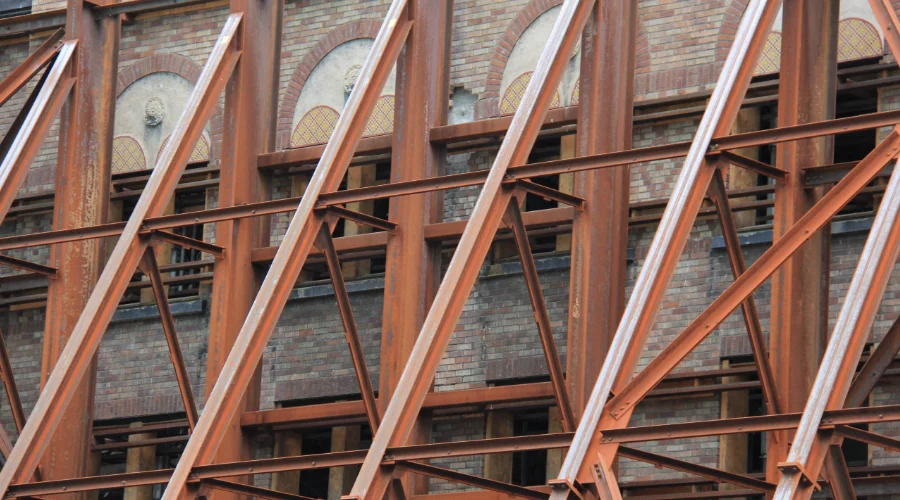
- Using Braced Frames: Braced frames are structures with diagonal braces and are made of steel or concrete. They act as trusses and hold the building, offering stability and preventing excessive lateral movement.
- Using Diaphragms: Diaphragms are rigid horizontal elements like floors and roofs that prevent the earthquake forces from concentrating only on vertical structures like walls and roofs. They help distribute the earthquake forces to be distributed evenly throughout the building structure.
Non-Structural Component Reinforcement
Just as focusing on the building’s structure is important, it is equally important to focus on non-structural components of the building, like shelves, cabinets, furniture, light fixtures, and others. During an earthquake, unsecured furniture, things on the shelves, appliances, and others might fall and cause injury, cause accidents, and even block doorways.
How to Reinforce Non-Structural Components of the Building:
You can prevent the non-structural components from falling or crashing during an earthquake by:
- Anchoring furniture, shelves, and cabinets to walls with essential anchoring components.
- Strapping water heaters, microwave ovens, and other electrical appliances to the walls using appropriate strapping elements.
Flexible Utility Lines
Utility lines for drinking water, drainage, and electricity also get exposed to the forces of an earthquake and may get damaged. Using flexible pipelines can help prevent the lines from rupturing and minimize the risk of fires or leakages.
How to Employ Flexible Utility Lines:
You can use braided metal hoses or reinforced plastic for water lines For wiring you can use flexible electrical conduits.
Seismic Dampers
Seismic dampers are exclusively designed to protect buildings and their occupants from earthquakes. They absorb the shock due to the earthquakes and dissipate them.
How to Employ Seismic Dampers:
There are two kinds of seismic dampers available:
- Hydraulic Dampers: They are pressurized oil that moves through the structure, absorbs the earthquake’s energy, generates heat, and prevents the seismic movement from directly affecting the building.
- Viscous Dampers: They are special fluids that absorb that absorb the energy of the earthquake tremors and reduce the shaking of the building.
Conclusion
The 5 ways to make a building earthquake proof are best understood as five ways to make a building earthquake-resistant: build a solid foundation, reinforce the structure, secure non-structural components, use flexible utility lines, and install seismic dampers where needed. A safe building depends on soil testing, structural design, quality materials, ductile detailing, proper connections, and regular maintenance. No method can fully eliminate earthquake risk, but good design and construction can reduce collapse risk and protect lives. For new or existing buildings, consult a qualified structural engineer before making major safety decisions.
FAQs
- What are the 5 ways to make a building earthquake proof?
The 5 ways to make a building earthquake proof are solid foundation design, structural reinforcement, non-structural component anchoring, flexible utility lines, and seismic dampers. Brick & Bolt lists these five steps as fundamental methods for earthquake-resistant buildings. - Can a building be completely earthquake proof?
No, a building cannot be made completely earthquake-proof. Brick & Bolt notes that complete earthquake-proofing is not possible, but earthquake-resistant buildings can be designed to improve life safety, reduce damage, and maintain functionality during seismic events. - Why is foundation important for earthquake-resistant buildings?
A foundation is important because it transfers building loads to the ground and helps distribute earthquake forces. A strong foundation, suitable soil, compaction, grouting, or deep piles may be needed depending on soil conditions and building loads. - How does RCC help during earthquakes?
RCC helps because steel reinforcement improves concrete’s tensile strength and ductility. Brick & Bolt explains that reinforced concrete allows a building to bend slightly and reduces cracking risk during earthquake shaking. - What are shear walls in earthquake-resistant construction?
Shear walls are thick reinforced concrete walls placed strategically to resist lateral earthquake forces. They help reduce sideways movement and improve building stability when designed and connected properly. - Why should furniture and appliances be anchored?
Furniture and appliances should be anchored because they can fall, injure people, damage property, or block exits during shaking. Brick & Bolt recommends anchoring shelves, cabinets, furniture, water heaters, microwave ovens, and appliances to reduce earthquake hazards. - What are flexible utility lines?
Flexible utility lines are water, drainage, gas, or electrical connections that can tolerate some movement during earthquakes. They reduce the risk of pipe rupture, leakage, electrical damage, and fire hazards compared with rigid connections. - Do all houses need seismic dampers?
No, all houses do not need seismic dampers. Dampers are useful where the structural engineer recommends them for shock absorption and energy dissipation. For many homes, proper foundation design, reinforcement detailing, shear resistance, and construction quality are the first priorities.
 prasanthkumar
  wordpress-prod