


Can we use white cement for plastering? Yes, white cement can be used for certain plastering and finishing applications, but its suitability depends on the purpose and project requirements. While white cement provides a smooth, attractive finish and is widely used for decorative work, it is not always a direct replacement for conventional grey cement plaster in structural or thick plastering applications. Understanding its properties, advantages, limitations, and proper application methods helps in selecting the right material for long-lasting and aesthetically pleasing wall finishes.
Quick Answer
Yes, white cement can be used for plastering in specific applications, particularly for decorative finishes, thin coats, repairs, and surface preparation before painting. However, for general structural plastering, conventional cement-sand plaster made with grey cement is often preferred due to its wider suitability and cost-effectiveness.
What is White Cement?

White cement is a type of Portland cement that is characterized by it’s raw materials with low iron and magnesium content, giving it a unique white color. This makes it popular for architectural finishes where looks matter. White cement production follows a process similar to grey cement but needs more careful manufacturing techniques to keep its color and quality. It includes:
- Using high-purity raw materials.
- Maintaining specific temperature conditions during clinker formation to prevent color contamination.
Benefits of Using White Cement for Plastering
White cement plastering has several advantages over traditional plastering materials:
1. Looks Good
White cement creates a smooth and bright finish, making the plastered surface look better. It works well for decorative plastering and can serve as a base for different finishes like paint, textures, and other coatings.
2. High Reflectivity
White cement reflects light well, making it a great pick for indoor spaces. It can make rooms look bigger and brighter. This feature is helpful in areas that don’t get much natural light.
3. Durability
White cement plaster long-lasts and stands up to the weather. It sticks well to what’s underneath, so it stays put and doesn’t need much upkeep.
4. Versatility
You can use white cement on many surfaces, like concrete, brick, and blockwork. It also works well with different decorative finishes, so you can use it for lots of things.
5. Smooth Finish
White cement gives a smooth and even finish, decreasing the need to add more finishing layers. This helps save time and reduce labor costs when plastering.
6. Resistance to Stains and Cracks
White cement plaster is better resistant to stains and cracks than regular plastering materials. Its formulation helps lower the odds of shrinkage cracks and keeps its clean look.
Ways to Use White Cement Plaster
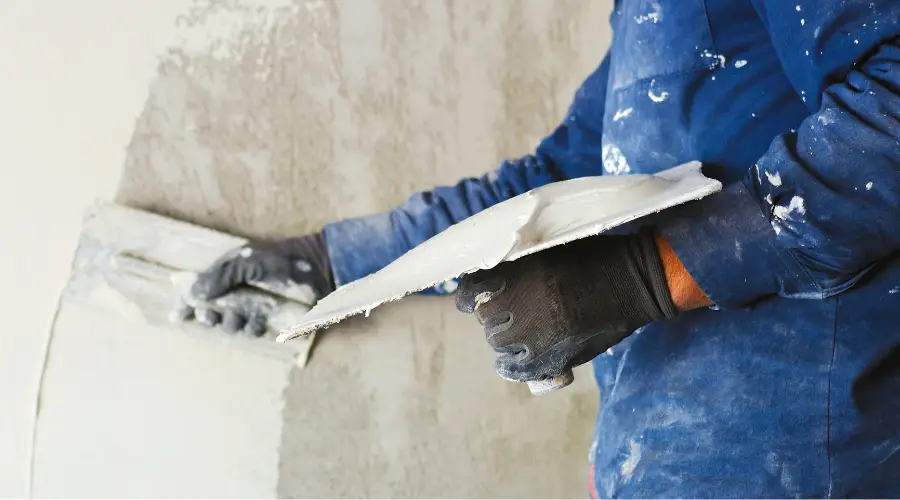
You can use white cement plaster for many things, both inside and outside:
1. Inside Walls and Ceilings
This white cement plaster provides smooth and beautiful surfaces, and interior walls and ceilings can look great. It is 100% suitable for home, work, and social places.
2. Exterior Walls
White cement plaster is used on exterior walls, giving them strength and protection from the weather. It creates a clean, bright look that can boost a building’s curb appeal.
3. Decorative Plastering
People prefer white cement for decorative plastering because it’s flexible and can create diverse textures and patterns. You can use it to make different finishes, like rough, smooth, or textured surfaces.
4. Repair Works
White cement plaster works well for repairs, helping to fix damaged or cracked surfaces. Its smooth finish can blend in with the existing plaster, giving it a uniform look.
How to Use White Cement for Plastering
White cement plastering will involve The preparation of the surface, multiple coats, and the final coat. Here below are the procedures that are undertaken while applying white cement for plastering:
1. Getting the Surface Ready
For the creation of superior-quality plaster, a proper treatment should be given to the surface. You must check that the surface does not consist of any kind of soil, dust, or mud. It is always necessary to fill the holes and cracks, with the pre-plastering process, before beginning plastering work. Grout and white cement fill up the cracks in walls and tiles more effectively.
2. Mixing the Plaster
To make plaster, mix white cement, fine sand, and water in the right proportions. You’ll usually want 1-part white cement for every 3 parts of sand, but this can vary depending on what your project needs. Make sure you mix everything well to get a smooth, easy-to-use paste.
3. Application of the Plaster
Spread the plaster evenly across the surface using a trowel or other plastering tool. Make sure that every layer has the same thickness as you work your way up from the bottom. This helps avoid bumpy spots.
4. Finishing Smoothly
After applying the plaster, use a straight edge or trowel to smooth the surface. This helps make the surface even and gets rid of extra plaster. You can use a spirit level to check the flatness.
5. Letting the Plaster to Cure
Let the plastered area cure properly by keeping it damp for at least one week. It makes sure the plaster gets enough strength and durability. You can do this by spraying water on it or covering it with wet burlap or plastic sheets.
6. Finishing
You can finish it to acquire the desired appearance once the plaster dries. This may include, Adding paint or other ornamental accents, generating textures or patterns, and using sandpaper to smooth out any imperfections.
Tips for Making White Cement Plastering Successful
Here are some pointers to help you succeed with white cement plastering:
1. Pick Fresh Supplies
Make sure to use fresh white cement and sand when you mix your plaster. Old or out-of-date materials can hurt the plaster’s quality and strength.
2. Maintain Proper Thickness
The plaster mix needs to be of optimal plaster thickness, to make it easy to apply and stick well. A mix that’s too dry may crack, while one that’s too wet could sag.
3. Minimize Overworking
Working the plaster too much when you’re applying can make it not stick and cause problems on the surface. Apply the plaster with even strokes, and don’t trowel it too much.
4. Ensure Proper Curing
The secret to strong and durable plaster is to let it cure properly. Keep the surface moist, for the recommended duration.
5. Use Good Sand
The quality of the sand in the plaster mix can influence the result. To get a smooth and even surface, use fine, clean sand without impurities.
Common Issues and Solutions in White Cement Plastering
White cement plastering can run into some typical problems even with careful planning and execution. Here are some issues and how to fix them:
1. Cracking
Cracks can happen because of improper curing, wrong mix ratios, or quick drying. To avoid cracks, make sure to cure, use the right mix ratio, and don’t work in extreme temperatures.
2. Efflorescence
White, powdery deposits on plastered surfaces happen because of salt migration. We call this efflorescence. You can stop it by using cement with low alkali, making sure you waterproof well, and keeping good drainage.
3. Uneven Surface
For a flawless finish, use a straight edge to level the plaster after applying it in even layers. You run the risk of having an uneven surface if you don’t level or apply the plaster uniformly.
4. Poor Adhesion
If the plaster mix is too dry or you have not properly prepared the surface, the plaster may not adhere well. Before applying the plaster, make sure the surface is both clean and slightly damp. Also, get the mix consistency right.
Conclusion
The answer to “Can We Use White Cement for Plastering” is yes, but its suitability depends on the application. White cement is an excellent choice for decorative finishes, thin plaster coats, ceiling finishes, and surface preparation before painting because it provides a smooth and bright appearance. However, for general structural plastering or thick cement plaster, conventional grey cement mortar is often more practical and economical. Choosing the right material based on the project’s functional and aesthetic requirements helps achieve durable and visually appealing results.
FAQs
- Can we use white cement for plastering?
Yes. White cement can be used for plastering in decorative and finishing applications, especially for thin coats, smooth wall finishes, and surface preparation before painting. However, it is not always intended to replace conventional grey cement for structural plastering.
- Is white cement stronger than grey cement?
White cement has binding properties similar to ordinary Portland cement, but the choice between white and grey cement depends more on the intended application than on strength alone. Grey cement is generally preferred for structural construction.
- Can white cement be used for exterior walls?
Yes. White cement can be used on exterior walls for decorative finishes when applied according to the manufacturer’s recommendations. Proper surface preparation and maintenance are important for long-term performance.
- What are the advantages of white cement for plastering?
White cement provides a smooth finish, bright appearance, good paint base, decorative flexibility, and improved light reflectivity. These qualities make it popular for architectural and aesthetic applications.
- Why is white cement more expensive than grey cement?
White cement requires carefully selected raw materials and specialized manufacturing processes to achieve its high whiteness, which generally increases production costs compared to ordinary grey cement.
- Can white cement replace wall putty?
In some finishing applications, white cement-based mixtures may be used as part of the wall preparation process. However, dedicated wall putty products are specifically formulated for achieving smooth paint-ready surfaces and should be selected according to the project requirements.
- Does white cement require curing?
Yes. Depending on the product and application, proper curing may be recommended to support strength development and improve the durability of the finished surface. Always follow the manufacturer’s instructions.
- Is white cement suitable for thick plaster layers?
White cement is generally more suitable for thin finishing coats and decorative applications. For thick plaster layers or primary masonry plaster, conventional cement-sand plaster using grey cement is typically the preferred option.