

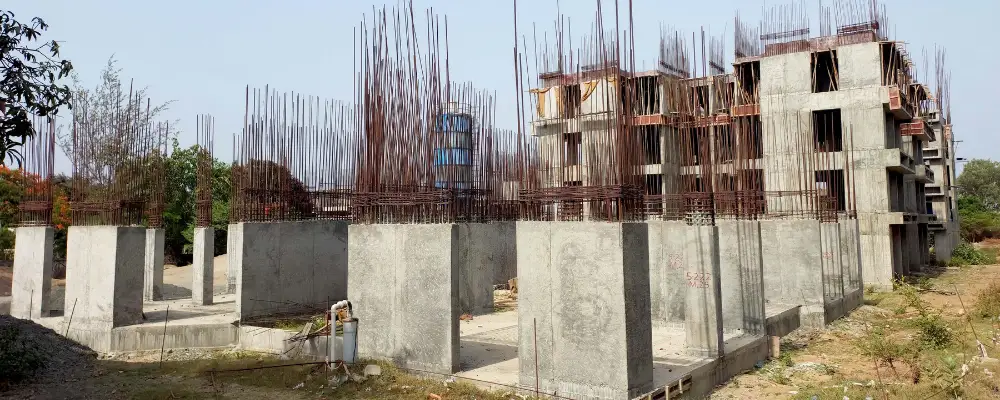
Column jacketing is a structural strengthening method where an existing column is wrapped or encased with materials such as reinforced concrete, steel, FRP, or polymer-based systems to improve its load capacity, durability, and safety. It is commonly used in old buildings, damaged structures, seismic zones, corrosion-affected columns, fire-damaged buildings, and expansion projects. Instead of replacing a weak column, jacketing adds strength and protection around it. This guide explains column jacketing meaning, importance, types, applications, materials, process, benefits, limitations, and common site checks. Brick & Bolt describes it as a cost-effective repair and retrofitting method for strengthening structural columns.
Quick Summary
Column jacketing is a retrofitting method used to strengthen weak, damaged, or under-designed columns by adding a new protective and load-bearing layer around them. Common types include concrete jacketing, steel jacketing, FRP jacketing, and polymer-based jacketing. It improves structural integrity, load capacity, corrosion resistance, seismic performance, and service life.
In this blog, I’ll cover what you should know about column jacketing and how it is used in the construction world.
What is Column Jacketing?
Column jacketing is simply used to strengthen and reinforce structural columns. Concrete and steel columns in buildings can degrade with time as a result of environmental factors, wear and tear, or flawed construction, for example. Jacketing consists of giving these columns an extra coating of materials, such as concrete, steel, FRP (Fiber Reinforced Plastic), to strengthen and improve their behavior against external conditions and to enhance the performance of the column.
It is widely used in repairs and retrofittings to strengthen old buildings. It’s a cost-efficient and effective method of avoiding potential column mushrooming and helps stabilize the complete structure of the building.
Importance of Column Jacketing

Concrete Jacketing of the column is significant for the enhancement of the structure of the building. Here’s why it’s essential,
1. Improves the Structural Integrity: Columns can get weaker and weaker with time because of aging, rusting, or improper building. Jacketing a column to reinforce or strengthen it returns, or improves, the load-carrying capacity of the column, so that it can support more load.
2. Enhances Strength: Column jacketing offers protection for the column, keeping it safe from the elements such as moisture, temperature extremes, and contact with chemicals, and extends the life of the structure.
3. Seismic Reinforcement: For buildings located in seismic zones, jacketing protects the columns from the additional wear and tear that occurs during an earthquake or a tremor.
4. Economical: Instead of replacing a damaged or weaker column, jacketing is more cost-effective, which makes it suitable for new and existing structures.
5. Aesthetic Enhancement: In addition to protecting columns, enveloping adds a nice, clean finish, making the building look more refined.
Types of Column Jacketing
Column wrapping can be achieved with different materials and methods, which offer different levels of strength and protection. Here are some of the more common varieties,
1. Concrete Jacketing
Concrete jacketing is one of the simplest methods to increase the load-carrying capacity of the existing column by wrapping around the existing column with reinforced concrete. This method is very useful for column retrofitting in existing buildings. It is highly fire-resistant and durable.
2. Steel Jacketing
In the steel jacketing method, the column is wrapped with steel plates, either welded or bolted to the support. Steel is a great way to add strength and load-carrying capacity to a column, so it is often added to buildings designed to withstand unusually strong seismic activity.
3. (FRP) Fiber Reinforced Polymer Jacketing
FRP is a modern solution for column jacketing. The column is wrapped in multiple layers of this lightweight yet high-strength material. FRP jacketing is highly effective in enhancing the structural strength of columns without significantly adding to their weight. It is especially beneficial in buildings where weight restrictions are a key consideration.
4. Polymer-Based Jacketing
This method involves applying polymer-based materials to columns, which are effective in preventing corrosion and other forms of deterioration. These materials are resistant to chemicals and environmental stress, making them ideal for columns exposed to harsh conditions.
Application of Column Jacketing
The column jacketing is a versatile method that strengthens and is used in many different applications.
- Existing Building Rehabilitation
The method of column jacketing is often practiced to strengthen old buildings that have not been meeting the current seismic or structural codes.
- Seismic Resistance
The column jacketing process in areas with seismic activity is an essential step for increasing the strength of the column that withstands the pressure of the earth. In this way, they are more resistant during earthquakes and, consequently, have fewer damages or collapses.
- Corrosion Repair
When the columns are affected by environmental agents such as water or chemicals, the jacketing methodology is applied, making the column safe from the corrosion process.
- Fire-Damaged Buildings
In the event of a fire, a column that has undergone damage can be restored to its original strength, and collapse can be avoided by using the column jacketing technique. This technique is not only about fire protection but also about the anchors of the burnt columns.
- Building Expansion
At the time of building an extension or improvement, the demand for the strength of columns is always met with the use of column jacketing. Column strengthening is a process to ensure the columns can carry the increased load and maintain the same integrity and safety of the structure.
Materials Required for Column Jacketing
1. Reinforcement Steel
- Longitudinal Bars: These vertical bars provide tensile strength to resist axial loads and bending forces.
- Transverse Ties (Stirrups): Hoops or spirals that encircle the longitudinal bars, providing shear resistance and confinement.
2. Concrete (or Cement-Based Materials)
- Standard Concrete: Used to encase the steel reinforcement, providing compressive strength.
- High-Strength Concrete: Used for seismic retrofitting or applications requiring greater strength.
- Grout/Mortar: Fills gaps or voids, especially in steel jacketing or bonding plates.
- Epoxy Mortar: Used to bond FRP or steel plates to the column.
- Latex-Modified Mortar: Enhances bond strength and durability.
3. Formwork (if applicable)
- Timber, Corrugated Metal, Precast Concrete: Used to shape and contain fresh concrete.
4. Other Materials
- Epoxy Bonding Agent: Ensures strong bonding between new and existing materials.
- Fiber-Reinforced Polymer (FRP): Provides high tensile strength, used in composite jacketing.
- Steel Plates: Reinforce columns with additional strength.
- Corrosion Inhibitors: Prevent rust and deterioration.
- Spacers: Maintain uniform clearance between formwork and column.
This combination of materials ensures enhanced strength, stability, and longevity of columns.
Step-by-Step Column Jacketing Process
1. Assessment and Inspection
The first stage of the column working procedure is to check the current state of the column. The column will be visually inspected for signs of cracking, corrosion, or wear by a structural engineer. This assists in estimating the level of damage and the need for column jacketing to strengthen the column.
2. Cleaning and Surface Condition
The column has to be cleaned of any dirt, old colourings, rust, or other impurities before application of the product. This is important for a good jacketing material to bond to the column surface. In some instances, abrasive cleaning methods such as sandblasting or wire brushing are employed for deep cleaning.
3. Applying Bonding Agent
Sometimes, a bonding agent or a primer may be spread on the column surface before encasement. This agent also forms a good interface between the new jacketing material and the existing column. It just makes sure the materials adhere to each other properly, especially when using FRP or steel plates as jacketing.
4. Material Application
The jacketing material is then applied according to the selected technique. In the case of concrete jacketing, a concrete shell is cast around the column and vibrated into place. The steel or FRP jacketing is wrapped around the column and properly attached, whether by welding, bolting or adhesive bonded, depending on the material type.
5. Curing and Setting
Once applied, the column is allowed to cure and harden. In the case of concrete, you would wait for it to cure over a number of days to develop its maximum strength. It’s just that during this period, the column needs to be protected from harsh weather conditions, and to properly cure in order to attain its maximum strength.
6. Final Inspection
Once the curing of the second column around the jack is over, a final inspection is made to verify whether the jacketing has been properly done and the column is reinforced accordingly. The column strength is checked to ensure it has the required load-carrying capacity. Any modifications or amendments are made at this stage in order to ensure the efficiency of the jacketing.
Conclusion
Column jacketing is a practical and widely used method for strengthening weak, damaged, ageing, or under-designed columns. It can improve load-carrying capacity, seismic resistance, corrosion protection, fire-damage recovery, and overall structural safety. Concrete, steel, FRP, and polymer-based jacketing each offer different benefits and limitations, so the right method should be selected after inspection and structural design. The success of column jacketing depends on proper assessment, surface preparation, bonding, reinforcement, material application, curing, and final inspection. For any load-bearing column, expert engineering guidance is essential before repair or retrofitting begins.
FAQs
- What is column jacketing?
Column jacketing is a structural strengthening method where an existing column is encased or wrapped with reinforced concrete, steel, FRP, or polymer-based material. It improves strength, durability, load capacity, seismic resistance, and protection against corrosion or environmental damage. - Why is column jacketing used?
Column jacketing is used to strengthen weak, damaged, ageing, corroded, fire-affected, or under-designed columns. Brick & Bolt states that it improves structural integrity, load-carrying capacity, durability, seismic resistance, and building safety. - What are the main types of column jacketing?
The main types are concrete jacketing, steel jacketing, FRP jacketing, and polymer-based jacketing. Concrete jacketing adds reinforced concrete, steel jacketing uses plates or sections, FRP uses high-strength wraps, and polymer systems protect against corrosion and harsh exposure. - Which material is best for column jacketing?
The best material depends on damage type, load requirement, space, exposure, budget, and design need. Concrete is durable and fire-resistant, steel adds high strength, FRP is lightweight, and polymer-based systems are useful for corrosion-prone conditions. - Can column jacketing increase load capacity?
Yes, column jacketing can increase load capacity when designed and executed correctly. It adds confinement, reinforcement, and section strength. However, the structural engineer must also check the foundation, beams, slabs, and overall load path before approving the work. - Is column jacketing useful for earthquake resistance?
Yes, column jacketing is useful for earthquake resistance because it can improve strength, ductility, and confinement. Brick & Bolt notes that jacketing is used in seismic zones to help columns withstand earthquake forces and reduce damage risk. - What is the process of column jacketing?
The process includes inspection, cleaning, surface preparation, bonding agent application, reinforcement or jacket placement, material application, curing or setting, and final inspection. Each step must follow structural drawings and site quality checks. - Is column jacketing a permanent solution?
Column jacketing can be a long-term strengthening solution when designed properly and maintained well. Its performance depends on the original column condition, selected material, workmanship, bonding, curing, corrosion protection, and whether the root cause of damage has been corrected.
 prasanthkumar
  wordpress-prod