


How to build a corrugated iron house starts with proper site planning, a stable foundation, a timber or steel frame, correctly fixed galvanized sheets, insulation, waterproof sealing, and regular maintenance. Corrugated iron houses are lightweight, cost-effective, quick to assemble, and useful where conventional materials are expensive or hard to transport. However, they need good heat control, sound reduction, condensation prevention, rust protection, and weatherproof detailing. This guide explains what a corrugated iron house is, its pros and cons, materials, tools, construction steps, design checks, maintenance, and common mistakes to avoid. Brick & Bolt describes corrugated iron houses as structures made with corrugated iron or galvanized steel sheets.
Quick Summary
To build a corrugated iron house, first assess the site, get permissions, choose the layout, prepare the foundation, build a timber or steel frame, fix corrugated iron sheets with galvanized screws, overlap sheets to prevent water entry, add insulation, seal all joints, install doors and windows, and maintain the roof, walls, seals, and frame regularly.
What is a Corrugated Iron House?
Corrugated iron houses are structures made using corrugated iron or galvanized steel sheets. These sheets have a distinctive wavy or ridged surface, which not only enhances their strength and rigidity but also offers better resistance against weather conditions. The metal sheets are typically galvanized steel, coated with a layer of zinc to prevent rust and corrosion, making them a long-lasting material choice for both residential and industrial applications.
Corrugated Iron home design is increasingly used for homes because of its low cost, particularly in places where other building materials like bricks and wood are too costly or impractical. They are generally light and easy to assemble, and can be pre-fabricated off-site before being transported and bolted up. All of this makes the whole thing faster and more efficient than traditional methods of building.
Pros and Cons of Corrugated Iron House
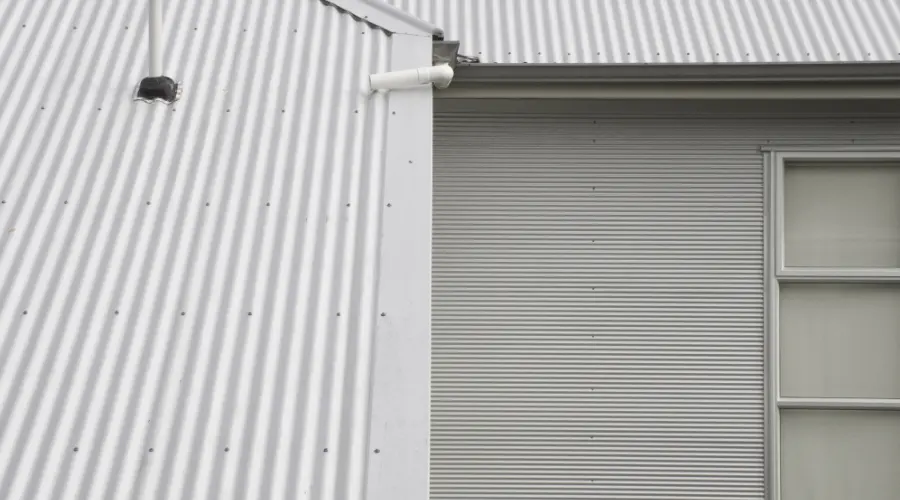
Pros:
- Cost: Corrugated iron is one of the most cost-effective materials for building. It is also very cheap when compared to conventional construction materials like bricks or timber.
- Durable: Galvanization provides the iron with some protection from the environment and rust.
- Rapid Build: The prefabricated nature of corrugated iron homes means they can be built much faster than brick and wood homes.
- Sustainability: Iron is a material that can be recycled, and is therefore an eco-friendly option as opposed to some other building materials.
Cons:
- Heat: In regions with incredibly high temperatures, creating a hotbox effect with the use of corrugated iron could make the home less habitable, unless insulation is in place.
- Noise: Rain, and especially hail, can be very noisy on corrugated iron roofing, and that could bother some people.
- Limited Attractiveness: It has its own charm, but the look of corrugated iron may not suit everyone’s tastes in more urban or luxurious environments.
- Condensation: If your walls aren’t insulated, condensation can form inside them over time, resulting in damp and mould.
Considerations Before Planning Your Corrugated Iron House
Proper planning is crucial for constructing a corrugated iron house. First, we need to make a decision on the size and shape of the house. When designing the house, it is important to think about not only what will fit on the property, but also the climatic impact of the area, and the use of the house itself.
When planning, consider the following :
- Building permissions: Local regulations must be followed when planning a corrugated iron house. It is prudent to ensure you apply for the necessary planning permissions and clarify any uncertainties with the council before commencing construction.
- Site assessment: Assess your site so that you are aware of the lay of the land, the proximity to utility services (water, electricity, waste), and what risks the site may pose, such as heavy winds, flooding or landslides.
- Design: Employ an architect or designer who can realise the many advantages of using corrugated iron in the design of the house, in order to make it comfortable to live in as well as functional.
Materials and Tools Required
When constructing a corrugated iron house, here are the materials and tools you will need:
Materials:
- Corrugated Iron Sheets: The primary material used for the walls and roof.
- Timber or Steel Frame: To serve as the primary structure of the house.
- Insulation: Either reflective foil or foam insulation for reducing heat transfer and increasing comfort.
- Concrete or Steel Piles Foundation: The foundation is determined by the conditions of the site, whether it is a concrete slab or piers.
- Fasteners: Galvanized screws and bolts that will attach the iron sheets to the frame.
- Sealants: For waterproofing and rust prevention.
Tools:
- Power Drill: For drilling holes into the iron sheets.
- Cutting Tools: Metal cutting saws or metal shears to construct and carve the corrugated iron.
- Welding Tools: For welding the components of the steel frame.
- Measuring and Leveling Tools: To make sure that your construction is straight and proportionate.
- Safety Gear: Gloves, goggles, ear protection, etc.
Construction Process for Corrugated Iron House
- Site Quality: First, remove any debris, vegetation or other material located at or around the site. Level the area and create a solid ground base. The ground could simply be levelled, or foundations could be created using concrete or steel piers; either option may be suitable, depending upon local conditions or the design of your home.
- Framework: When the solid base is achieved, start the process of constructing a structural frame. A timber frame is most common, but steel frame members may be used. You must be sure that the frame is square and level because corrugated iron sheets are heavy and they will not sit well upon the skeletal frame
- Walls and Roof: The next step is to fix the walls and roof on the frame constructed above, place on sheet at a time, and screw one sheet down using galvanized screws, then move to the next, starting at one corner of the shed and working you way along, making sure that each sheet overlaps the previous sheet to prevent water from intruding.
- Insulation: An important option is to also have some insulation material between the cladding and the wall to assist with heat retention of the structure and/or reduce heat exposure inside the shed. The options of insulation are foam or reflective foil of many varieties, depending upon what you can afford and your climate. You should be able to research your insulation type easily.
- Finishing: When the roof was completed, it is important to seal up every joint. When the roof joints were sealed, finish your shed interior with any flooring options, adding windows, doors and any preferred optional such as plumbing and electricals.g flooring, windows, doors, and any additional fixtures like plumbing or electrical wiring.
Maintenance and Durability
Corrugated iron houses are known for their durability, but they still require regular maintenance to ensure they last for decades. Here’s what needs attention:
- Rust Prevention: Regularly inspect the iron sheets for signs of rust. Touch up any rust spots with anti-rust paint to prevent further damage.
- Cleaning: Clean the roof and walls periodically to remove dirt, debris, or moss that might accumulate.
- Sealants: Check the seals around windows and doors to ensure they remain watertight, especially after heavy rains or storms.
- Structural Integrity: Periodically inspect the frame and foundation to ensure there are no signs of wear or damage.
Conclusion
How to build a corrugated iron house depends on more than fixing metal sheets to a frame. A durable home needs site assessment, approvals, a stable foundation, accurate framing, proper sheet overlap, insulation, waterproof sealing, safe services, and regular maintenance. Corrugated iron houses can be affordable, quick to build, recyclable, and suitable for rural or remote locations, but heat, noise, condensation, and rust must be controlled. For best results, use quality galvanized sheets, corrosion-resistant fasteners, good insulation, and professional construction guidance.
FAQs
- What is a corrugated iron house?
A corrugated iron house is a structure built using corrugated metal sheets, usually galvanized steel, for walls, roofing, or both. The ridged sheet profile improves stiffness and weather resistance, while the zinc coating helps protect the metal from rust and corrosion. - How to build a corrugated iron house?
To build a corrugated iron house, assess the site, get permissions, prepare the foundation, construct a timber or steel frame, fix corrugated sheets with overlaps, add insulation, seal joints, install doors and windows, complete services, and maintain the roof and walls regularly. - Is a corrugated iron house durable?
Yes, a corrugated iron house can be durable when built with galvanized sheets, proper fasteners, good sealing, correct roof slope, rust protection, and routine maintenance. Durability depends on climate, coating quality, installation workmanship, drainage, and how quickly rust or leaks are repaired. - What foundation is best for a corrugated iron house?
The best foundation depends on soil condition, slope, flood risk, building size, and structural design. Concrete slabs, concrete piers, and steel piles are common options. A qualified professional should confirm the foundation before construction begins. - Does a corrugated iron house need insulation?
Yes, a corrugated iron house should have insulation for comfort. Metal transfers heat quickly and can create hot interiors, condensation, and rain noise. Reflective foil, foam insulation, ceiling boards, and ventilated cavities can improve indoor comfort. - What are the disadvantages of corrugated iron houses?
The disadvantages include heat build-up, rain noise, condensation risk, possible rust, limited visual appeal for some locations, and regular maintenance needs. These issues can be reduced with insulation, ventilation, anti-rust coating, sealants, and proper design. - Are corrugated iron houses suitable for hot climates?
Corrugated iron houses can be used in hot climates, but they need insulation, roof ventilation, shading, reflective coatings, and good airflow. Without these measures, metal walls and roofs can absorb heat and make indoor spaces uncomfortable. - How do you maintain a corrugated iron house?
Maintain a corrugated iron house by cleaning roof and wall sheets, removing debris, checking fasteners, repainting rust spots, inspecting sealants, clearing gutters, and checking the frame and foundation. Regular inspection before rainy seasons helps prevent leaks and corrosion.