

Restoring the original beauty of your brickwork requires removing paint, which may be a difficult but worthwhile task. Knowing the proper brick paint removal techniques is essential whether you’re attempting to repair an ancient building or coping with a recent paint job gone awry. The best ways to remove paint from brick surfaces, substitute paint removal techniques, and advice on how to safely clean painted brick are all covered in this guide from Brick & Bolt.
Can You Remove Paint from Brick Wall?
Yes, it’s possible to remove paint from brick, based on the following factors:
- Brick Type: Bricks with porous surfaces can absorb paint, making it difficult to remove.
- Paint Type: Latex paint is easier to strip. Oil-based paints, epoxy paints, and industrial coatings are the most difficult types of paint to remove.
- Paint layers: The difficulty is often compounded by the surface the paint is on and its age. Multiple coats take more time.
Different Types of Paint Removal Methods for Bricks
The following are the various types of paint removal methods:
Chemical Strippers for Brick
The chemicals easily break the bond between the paint and the brick. Commonly used chemicals include methylene chloride, caustic soda (sodium hydroxide), and NMP (N-Methyl-2-pyrrolidone). Be sure to review the usage guidelines provided by the manufacturer thoroughly. It is applied evenly to the painted surface. Wait for the recommended time, then use a scraper or brush to remove the softened paint. Always wear gloves and a mask for safety to protect your skin and eyes. The process is similar to removing stains from tiles.
Abrasive Methods
Abrasive methods like sandblasting and power cleaning use rough materials or high-pressure water to remove paint. While effective for industrial areas, they can damage red bricks, so consulting a professional is recommended, especially for heavily painted surfaces.
Using a Peel-Away Paint Removal System
Peel-away systems are ideal for large areas with multiple paint layers. These systems use a caustic-based paste that penetrates and softens old paint for easy removal. The paste typically contains sodium hydroxide, surfactants, and cellulose-based thickeners, which work together to lift paint without damaging the brick.
Steps:
- Apply paste with a trowel or spatula.
- Cover with the special paper and press down.
- Wait 24-48 hours (refer to instructions).
- Peel off the paper to reveal clean brick.
Pressure Washing
Pressure washers (2000–3000 PSI, 12–18″ distance, preferably a 15-degree tip) with hot water (up to 93°C/200°F) can help strip paint, especially latex or poorly adhered older paint. This approach is least effective for deeply embedded or oil-based paints and should never be used on soft, historic, or deteriorated bricks due to the risk of spalling or mortar loss.
- Always test a small, inconspicuous area first.
- Follow water discharge and runoff guidelines.
Manual Stripping (Hand Tools)
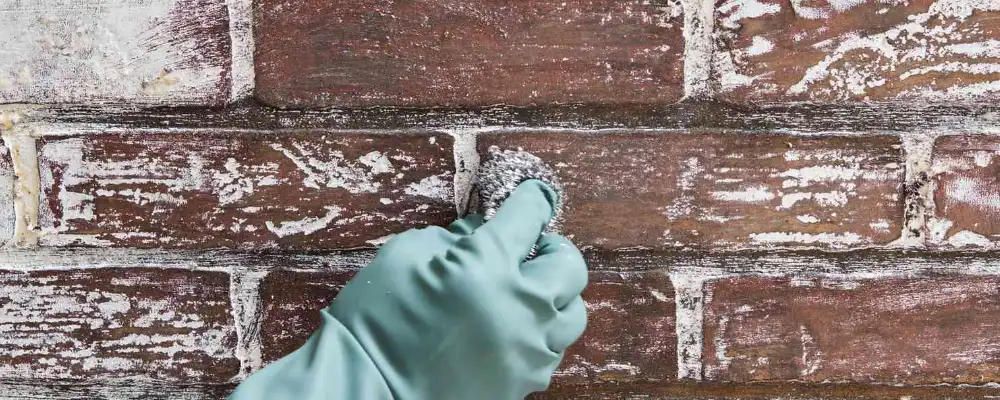
Manual scraping with wire brushes and scrapers allows controlled paint removal, especially effective for touch-ups, near mortar joints, and on textured surfaces. It is labor-intensive and rarely sufficient for large areas, but is ideal as a secondary cleanup technique after chemical or poultice removal.
- Always use appropriate PPE to prevent dust inhalation and injury.
- Minimize airborne paint dust (especially lead-based paints) using water mist or vacuum attachments.
How to Remove Paint From Bricks: Step-by-Step Guide

Step 1: Assessing the Brick Surface
Before removing the paint, you must know the kind of brick and paint you are going to work on. You may find the right removal method according to the strength and porosity of the brick. The paint may be oil-based or latex and may be any other type.
Step 2: Choosing the Right Type of Paint Removal Method
After finding the paint type, you have to choose the right removal method to remove the unwanted paint from the brick.
Step 3: Preparation
Gather all necessary equipment, including a paint stripper, scraper, brush, mask, gloves, and safety glasses, to ensure safe and effective preparation. To prevent damage, cover the surrounding areas with any unwanted cloth or thick paper or cardboard.
Step 4: Application of Paint Stripper
As directed by the manufacturer, apply a paint stripper to the brick surface. Let the paint rest for the specified duration to soften it.
Step 5: Scraping or Peeling the Paint
Once the paint has softened, gently remove it using a brush or scraper. Make sure to avoid damaging the brick’s surface.
Step 6: Rinsing the Brick
Rinse the brick with water after removing the paint to get rid of any leftover paint stripper and dirt. Allow the surface to air dry.
Safety Tips for Paint Removal
Although paint strippers break the chemical composition of paint, they frequently contain potent chemicals that can damage your skin, eyes, and lungs. So, always take the following safety precautions during the process.
- Use personal protective equipment and put safety first.
- Cover your full body by wearing a long-sleeve shirt, gloves, safety goggles, a mask or respirator, closed-toe shoes, and long pants.
- To increase ventilation while working indoors or in a confined location, open windows and doors and utilise fans.
- For information on any particular hazards or precautions, always refer to the manufacturer’s instructions.
- Making sure your safety is essential, even when using non-caustic paint removers.
Aftercare for Brick Surfaces
After removing the paint, it is crucial to clean the brick-like we clean our house after removing all clutter. It will bring the brick back to its original condition. Plain water and detergent are enough to wash the bricks. Again, rinse the bricks well with clean water to remove any remaining bits of grime.
Allow the bricks to dry for some time. When it is completely dry, apply a sealant to protect the brick’s surface from further damage. It not only protects the surface of the brick but also adds beauty to the existing bricks. Make sure to use a high-quality sealant to ensure that bricks last longer and are easier to clean in the future.
When to Call a Professional to Remove Paint from Brick?
- If the job is large-scale or covers many walls, it is best to hire professionals.
- Multiple paint layers or stubborn coatings usually require expert removal.
- Old, historic, soft, porous, or deteriorated bricks need professional assessment to prevent damage.
- If you do not have the proper tools or experience with strong paint removers, seek professional help.
- Hard-to-reach areas or work at height should be handled by trained specialists.
- If you lack time or want a cleaner, more uniform result, hiring experts is recommended.
- Have professionals inspect the brick and choose the safest and most effective removal method.
Let experts use specialized products and advanced techniques to protect delicate or historic brick surfaces.
Conclusion
In conclusion, even though removing paint from bricks can be difficult, you can restore their natural beauty with the correct techniques and safety precautions. It’s important to pick the procedure that best suits your unique requirements, whether that be using heat guns, chemical removers, abrasive techniques, or environmentally friendly substitutes. To further protect yourself, adhere to the safety precautions. Sealants must be applied to the bricks after the paint has been removed in order to prevent additional damage.
FAQs
Yes. You can remove the paint from the brick without damaging it by choosing the right method that suits your brick based on the paint type.
No, pressure washing is not suitable for all types of bricks. It may cause the mortar to erode in older and softer types of bricks or break them overall.
It may take about 20 minutes to a couple of hours, depending on how many layers of paint you are going to remove.
Yes. If you have only a few drips of paint on your brick, you may choose to use natural paint removal methods like vinegar, baking soda, etc.
Yes. Large areas require more attention and expertise to remove the paint efficiently. It would be wise to seek assistance from a professional.