


How to stop water leakage from concrete roof starts with finding the leak source, cleaning the surface, repairing cracks, improving drainage, and applying a suitable waterproofing system. Concrete roofs are durable, but water can enter through cracks, weak joints, poor slope, damaged waterproof layers, clogged drains, or gaps around vents and pipes. Ignoring leakage can lead to damp ceilings, mould, steel corrosion, plaster damage, and repeated repair costs. This guide explains common causes, step-by-step repair methods, waterproofing options, prevention tips, and maintenance practices for long-lasting roof protection. Brick & Bolt highlights waterproofing, joint sealing, material quality, drainage, and regular maintenance as key actions.
Quick Summary
To stop water leakage from a concrete roof, inspect the roof, locate cracks or weak joints, clean the surface, remove loose waterproofing, fill cracks with suitable sealant, correct slope where water stagnates, and apply a multi-layer waterproof coating or membrane. Regular roof inspections, clear drains, and timely re-coating help prevent future seepage, especially before the monsoon.
In this guide, we’ll dive into foolproof ways to seal your roof, protect your home, and stop water from raining on your parade, literally.
9 Actionable Tips to Stop Water Leakage from Concrete Roofs
A leaking roof is an inconvenience and a mood spoiler. The constant drip-drip can leave you stressed, not to mention the damage it can cause to your space. But fret not. With a little effort and the right approach, you can fix this with your own hands.
Waterproofing Your Roof
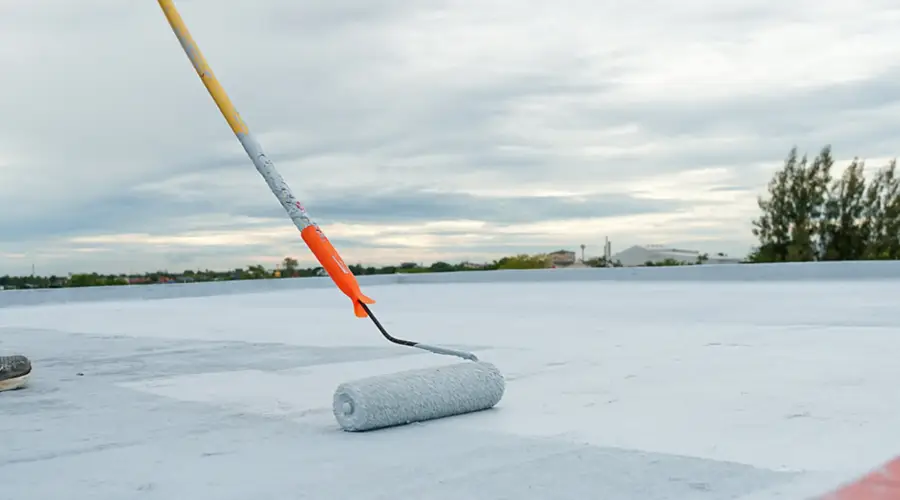
It is an absolute safeguard against leaks and moisture damage, especially in humid or tropical climates. For both flat roofs and slanted roofs, the process is the same. When it comes to a flat roof, a slight slope is introduced to direct water flow toward drainage pipes, followed by a three-layer waterproofing process.
In the first coat, a slurry mix of polymer-based compounds and cement in a 1:1.25 ratio provides a strong base. After that, two subsequent layers mixed in a ratio of 1:1.5 are applied at 24-hour intervals. The surface should be left to cure for 48 hours, under wet gunny sacks to ensure durability.
In existing homes with leaks, old waterproofing layers must be removed, the surface thoroughly cleaned, and the same multi-coat process reapplied.
These precise ratios and techniques ensure a long-lasting, leak-free roof that stands firm against rain and moisture.
Periodic Maintenance
Even the best waterproofing will not last without proper maintenance.
- Regular roof inspections
- Prompt action to address cracks, pooling water, or signs of wear in the waterproof layers is crucial.
- Remove debris like leaves and dirt, as they can block drainage systems and trap moisture.
- Pay attention to the condition of the waterproof coatings.
- Reapplying protective layers every 5 to 7 years.
These steps must be followed when it comes to maintaining the roof to avoid dealing with dry mats, empty buckets, and much more.
Seal the Roof Joints Effectively
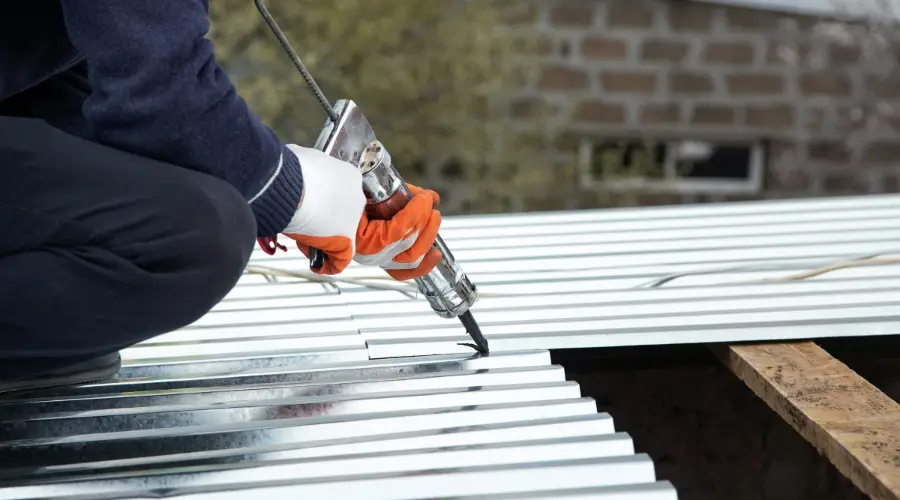
- Start cleaning the joints of roof to remove dust, debris, and any existing weak material.
- To fill the gaps, use a high-quality sealant like polyurethane or silicone which can expand and contract with temperature changes.
- Apply a layer of waterproof tape or membrane over the sealed joints to reinforce the area.
- Schedule your time to inspect these joints quarter over quarter(Q-O-Q), especially before the rainy season, to ensure the seal remains intact.
By giving extra attention to roof joints, you can prevent leaks and extend the lifespan of your roof.
Pick Quality Roofing Materials
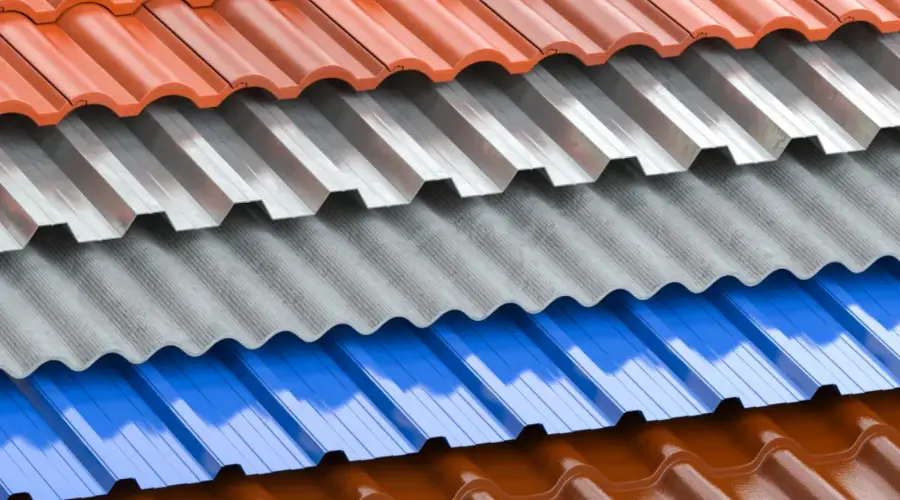
This has been done while laying the roof, but that doesn’t mean that you should not do at least this now. For concrete roofs, prefer materials like polymer-based waterproofing compounds and quality cement to withstand moisture and temperature fluctuations.
In addition, if your roof has Shingles or tiles, ensure they are made from water-resistant materials such as asphalt or clay, with proper underlayment to seal gaps.
Always source materials from trusted brands and follow recommended application methods to prevent weak spots that could lead to leaks.
Use High-Quality Roof Vents
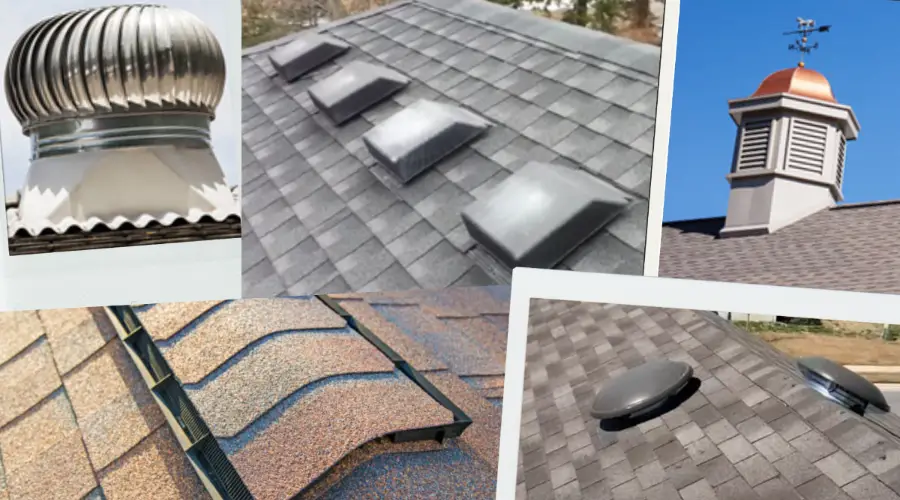
This won’t be applied for all types of houses. But if your home does have frequent outpouring, you can consider this too.
Placing high-quality roof vents allows air to circulate within the attic space, reducing moisture buildup. Failing to do so can lead to mold, mildew, and eventual water damage. In general, roof vents help regulate the temperature, preventing the formation of condensation that can weaken your roof over time by allowing warm air to escape and cooler air to enter.
Be conscious in choosing durable, weather-resistant vents that are designed for your roof type, whether it’s flat, sloped, or vaulted. This will reduce the risk of ice dam formation, and extend the life of your roof.
Ensure the Correct Installation of Tiles
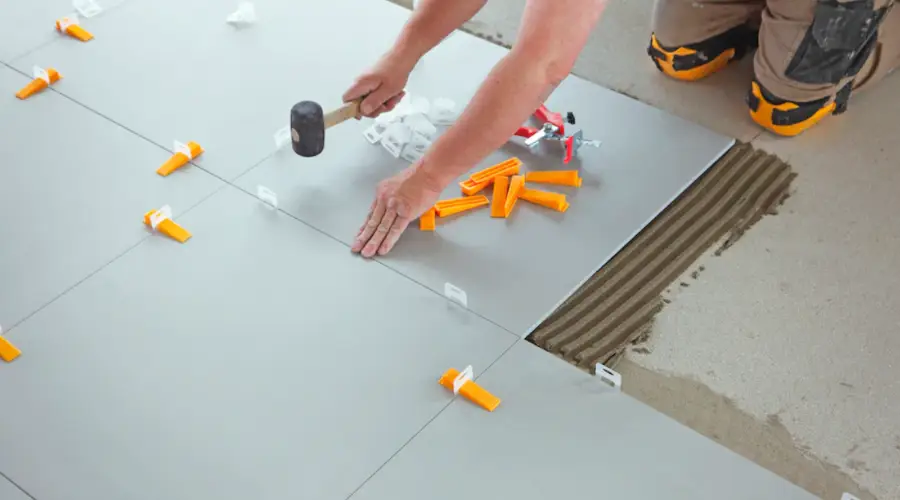
When it comes to choosing tiles, begin with tiles that suits your climate, such as clay or concrete for durability or metal for resistance to harsh weather. Tiles should be laid in an overlapping pattern, starting from the roof’s base and working upwards, to allow water to flow downward without seeping beneath.
Alignment gaps or misplacement can cause water infiltration. Therefore, it is better to keep an eye on edges and joints that must be sealed with waterproof materials like flashing or sealants to prevent leaks at vulnerable points.
Adopt Reliable Construction Practices
During construction, high-quality materials, such as polymer-cement mixtures in appropriate ratios, should be used for waterproofing layers. If it is a flat roof, start with a well-designed slope that ensures effective water drainage, minimising the risk of pooling.
For proper curing, 48 hours is recommended for waterproof coatings to help them last for years.
Prompt Removal of Stagnant Water
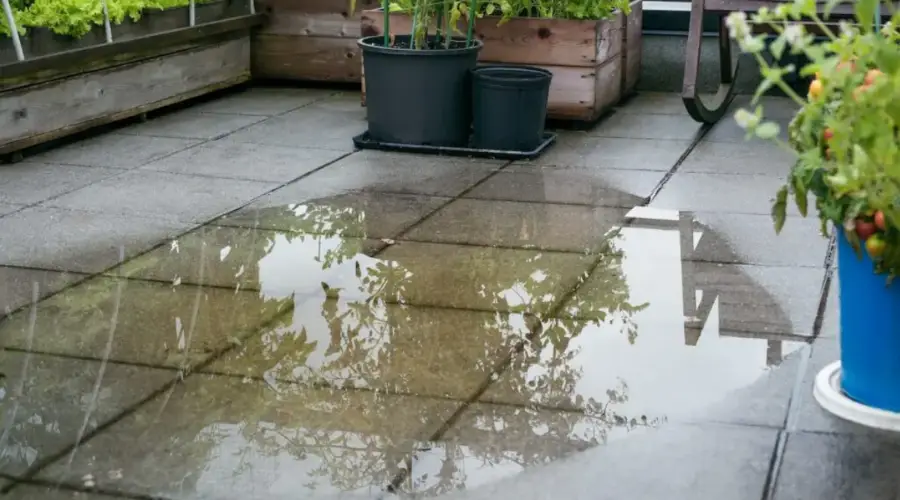
This is most common in houses where there is no proper roof plan. If the roof surface is not equal in any case, water might stand on the roof, which exerts pressure on the surface. This leads to cracks, seepage, and the growth of mould and mildew. It also increases the wear and tear of waterproofing layers. To address this, ensure that drainage systems are clear of debris and functioning effectively.
It’s better to have a practice of inspecting roofs after heavy rains, which can help identify areas where water tends to accumulate. Maintaining a slight slope toward drainage outlets for flat roofs can prevent pooling.
Prioritise Regular Maintenance
This is something basic that you should not overlook!
- Inspect the roof periodically for cracks, weakened areas, or debris buildup, as these can lead to water pooling and seepage.
- Especially during rainy seasons, clear drains and gutters to ensure proper water flow.
- Look for signs of wear on waterproofing layers and reapply protective coatings if necessary.
What are the Causes of Roof Leakage?
For areas with tropical monsoons like India, roof leakage can stem from a variety of causes. As discussed above, it often starts with poor construction practices or the use of substandard materials.
Over time, weathering and exposure to harsh elements like heavy rain, extreme heat, or snow can weaken the roof’s surface, leading to cracks and water seepage and leakage
Also, poor drainage systems, such as clogged gutters or insufficient slope in flat roofs, exacerbate the issue by allowing water to pool.
In some cases, structural issues, such as roof movement due to settling or improper sealing around vents and chimneys, also create weak points for water to penetrate.
Taking a timely look at these causes is essential to addressing the root of the problem and implementing effective solutions.
Conclusion
How to stop water leakage from concrete roof depends on fixing the actual cause, not just covering the damp patch. Start with inspection, cleaning, crack repair, joint sealing, slope correction, and drainage improvement. Then apply a suitable waterproof coating or membrane with proper curing and protection. Regular maintenance is equally important because roof surfaces face sun, rain, dust, and movement throughout the year. For repeated leakage, wide cracks, ponding, or old failed waterproofing, professional assessment is the safest way to prevent recurring damage.
FAQs
- How to stop water leakage from concrete roof permanently?
To stop water leakage from concrete roof permanently, identify the leak source, repair cracks, seal joints, correct slope, clear drains, and apply a suitable waterproofing system. Long-term success also depends on proper curing, surface preparation, product quality, and regular maintenance before every monsoon. - What is the main cause of concrete roof leakage?
The main cause of concrete roof leakage is water entering through cracks, failed waterproofing, poor drainage, weak joints, or stagnant water. Poor construction practices, weathering, heat, heavy rain, clogged gutters, and improper sealing around vents or pipes can also cause leakage. - Which waterproofing is best for concrete roofs?
The best waterproofing for concrete roofs depends on roof condition and use. Polymer cement coating, elastomeric liquid coating, polyurethane coating, and waterproof membranes are common options. For terraces with foot traffic, the waterproof layer may need protection with screed or tiles. - Can cement stop roof leakage?
Cement alone is not a reliable solution for roof leakage. Plain cement slurry can crack and fail because it is rigid. Polymer-modified cement waterproofing, flexible sealants, membranes, and proper crack repair give better results when applied on a clean and prepared surface. - How do I fix cracks in a concrete roof?
Fix concrete roof cracks by cleaning the crack, removing loose particles, opening the crack if needed, and filling it with a suitable crack filler, polymer mortar, silicone sealant, or polyurethane sealant. Wider or moving cracks should be inspected before waterproofing. - Why does water collect on my concrete roof?
Water collects on a concrete roof because of poor slope, blocked drains, uneven screed, sunken patches, or incorrect roof planning. Stagnant water increases pressure on the surface and can damage waterproofing layers, causing cracks, seepage, mould, and leakage over time. - How often should roof waterproofing be maintained?
Roof waterproofing should be inspected regularly and especially before the rainy season. Brick & Bolt recommends checking roof coatings and reapplying protective layers every 5 to 7 years where needed. Cleaning drains and repairing cracks early helps extend waterproofing life. - Can roof leakage be repaired without removing old waterproofing?
Roof leakage can be repaired without removing old waterproofing only if the existing layer is firmly bonded and damage is local. If the old layer is loose, cracked, blistered, or failed, it should be removed before cleaning, repairing, and applying a new waterproofing system.
 prasanthkumar
  wordpress-prod