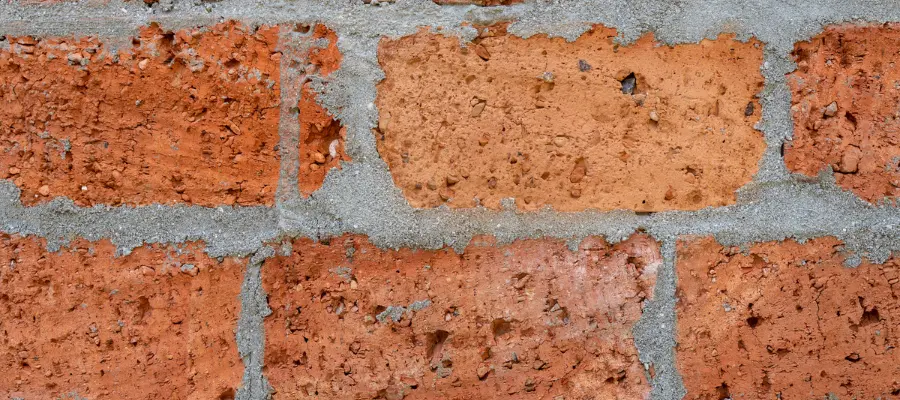
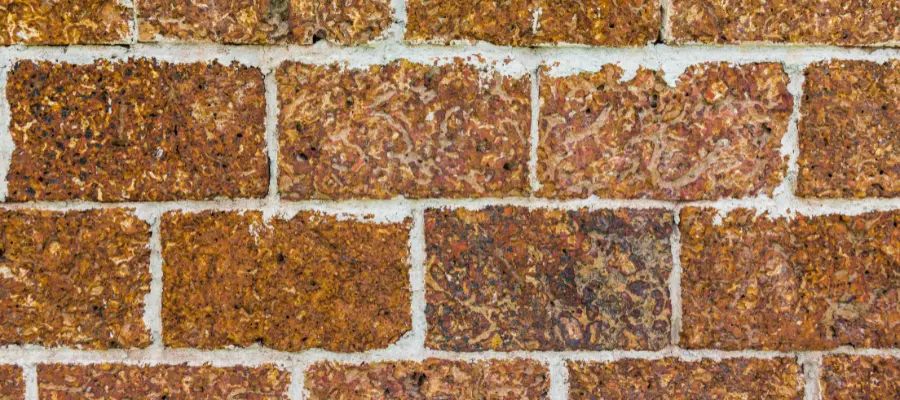
Laterite bricks are natural or processed building blocks made from laterite soil or laterite stone, commonly found in warm and humid regions. They are widely used for walls, compound walls, exposed masonry, low-rise houses, and regional architecture, especially where laterite is locally available. Their appeal comes from natural texture, thermal comfort, local sourcing, and rustic appearance. However, they also need careful selection because quality varies by quarry, density, weathering, moisture exposure, and workmanship. This blog explains laterite brick types, uses, advantages, limitations, and practical checks before choosing them.
Quick Summary
Laterite bricks are masonry units made from laterite stone or lateritic soil. They are used for wall construction, exposed façades, boundary walls, and low-rise buildings in regions where laterite is available. They offer natural appearance, local availability, and good thermal comfort, but may have variable strength, high water absorption, and weathering issues if not protected properly.
Laterite Bricks: Types, Advantages, Limitations, and Construction Uses
Laterite is a naturally occurring material formed in tropical regions through weathering of rocks. It is rich in iron and aluminium compounds, which often give it a reddish, brownish, or earthy colour. In many parts of India, especially coastal and high-rainfall regions, laterite bricks have been used for traditional houses, boundary walls, churches, temples, and heritage buildings.
Unlike factory-made clay bricks or AAC blocks, laterite units can vary widely in texture, density, hardness, and strength. This makes material selection and workmanship very important.
What Are Laterite Bricks?
Laterite bricks are building blocks made by cutting natural laterite stone from quarries or by compacting and stabilising lateritic soil into block form. Natural laterite blocks are usually cut when the stone is relatively soft and then allowed to harden after exposure to air.
The surface may be rough, porous, and textured. This gives laterite walls a distinctive regional appearance. In some buildings, laterite is left exposed. In others, it is plastered to improve weather protection.
Laterite is mainly used where it is locally available because transport over long distances can reduce its cost advantage.
How Laterite Bricks Are Made
There are two broad ways laterite masonry units are produced.
Cut Laterite Stone Blocks
Natural laterite stone is extracted from a laterite quarry. It is cut into rectangular blocks using manual or mechanical tools. Freshly cut laterite may be easier to shape, but it becomes harder after drying and exposure.
These blocks are then transported to the site and used in masonry with mortar.
Compressed or Stabilised Laterite Blocks
Lateritic soil may be mixed with stabilisers such as cement or lime, compacted in moulds, and cured. These blocks are more controlled than random natural laterite pieces, but their quality depends on soil composition, stabiliser content, compaction, and curing.
Stabilised laterite blocks are often used where natural laterite stone is not available in uniform block form.
Types of Laterite Bricks
Laterite bricks can be classified based on source, processing, finish, and use.
1. Natural Cut Laterite Bricks
Natural cut laterite bricks are blocks directly cut from laterite deposits. They are commonly used in regions where laterite quarries are available.
Best Use
They are suitable for low-rise walls, compound walls, exposed masonry, regional-style homes, and landscape walls.
Key Point
Quality can vary from quarry to quarry. Dense, well-hardened blocks perform better than soft, crumbly blocks.
2. Stabilised Laterite Blocks
Stabilised laterite blocks are made by mixing lateritic soil with cement, lime, or another stabilising material. The mixture is compacted and cured.
Best Use
They are useful for wall construction where uniform block size and improved strength are needed.
Key Point
Their performance depends on mix design, compaction, curing, and moisture protection. Poorly stabilised blocks may crack or erode.
3. Compressed Laterite Earth Blocks
Compressed laterite earth blocks are made by compressing lateritic soil under pressure. Some may be stabilised, while others may be unstabilised depending on project specification.
Best Use
They are often used in sustainable or low-energy construction where local soil can be processed into blocks.
Key Point
They need proper testing before structural use. Water resistance is a major concern if blocks are not stabilised or protected.
4. Exposed Laterite Bricks
Exposed laterite bricks are selected for appearance and laid without plaster on the visible face. The natural red-brown texture becomes part of the building design.
Best Use
They are suitable for façades, compound walls, verandah walls, feature walls, and heritage-style construction.
Key Point
Exposed work needs better-quality blocks, neat jointing, and water-shedding details. Poor-quality exposed laterite can weather quickly.
5. Plastered Laterite Masonry Blocks
In this type, laterite blocks are used as walling material but covered with plaster.
Best Use
They are suitable for residential walls where laterite is economical but long-term weather protection is needed.
Key Point
Plaster helps protect against rain, dusting, erosion, and surface damage. External plaster quality is important in high-rainfall areas.
Advantages of Laterite Bricks
Natural and Regional Material
Laterite bricks are locally available in many tropical and coastal regions. Using local material can reduce transport effort and support regional construction practices.
They also give buildings a natural character that fits well with traditional architecture.
Good Thermal Comfort
Laterite masonry can help moderate indoor temperature when walls are properly designed. The porous nature and mass of the material can reduce heat transfer compared with thin, lightweight wall systems.
This makes laterite useful in warm climates, especially when combined with shaded openings, high ceilings, and proper ventilation.
Distinctive Appearance
Exposed laterite walls have a warm earthy appearance. The natural texture suits villas, farmhouses, coastal homes, resorts, compound walls, and landscape architecture.
Many homeowners choose laterite not only for function but also for its visual identity.
Easy to Cut and Shape
Freshly quarried laterite is often easier to cut than hard stone. This helps create blocks of usable size with simple tools. Openings, corners, and site adjustments may be easier than with dense stone masonry.
However, over-cutting or using weak pieces can reduce wall quality.
Suitable for Low-Rise Construction
Where good-quality blocks are available and structural design is appropriate, laterite can work well for low-rise residential and boundary wall construction.
It has a long history of use in many regional buildings, especially in areas with reliable quarry supply and skilled masons.
Limitations of Laterite Bricks
Variable Strength
Laterite is not a uniform factory material. Blocks from different quarries, depths, or layers may have different strength. Some pieces may be dense and hard, while others may be soft and crumbly.
This variation makes testing and careful selection important before construction.
High Water Absorption
Laterite is generally porous. If it absorbs too much water, it may weaken, develop dampness, or weather faster. In high-rainfall areas, external walls need good roof overhangs, plaster, pointing, waterproof coatings, or drainage detailing.
Water absorption is one of the biggest limitations of laterite masonry.
Surface Weathering
Exposed laterite can erode over time if it is soft or directly exposed to heavy rain. Edges may become rounded, powdery, or pitted.
Good-quality laterite blocks, proper jointing, drip details, and protective finishes help reduce weathering.
Not Ideal for All Structural Loads
Laterite bricks are usually better suited for low-rise and moderate-load walls. For multi-storey framed buildings, laterite may be used as infill masonry only if suitable and approved.
Load-bearing use should be based on material strength, wall thickness, mortar, foundation design, and engineering judgment.
Needs Skilled Workmanship
Laterite masonry may look simple, but good execution matters. Blocks should be properly aligned, joints should be filled, and exposed work should be neatly finished.
Poor workmanship can lead to uneven walls, moisture entry, weak joints, and poor appearance.
Uses of Laterite Bricks in Construction
Laterite bricks are used in several building elements:
- External walls
- Internal partition walls
- Compound walls
- Boundary walls
- Landscape walls
- Retaining walls for light applications
- Plinth walls
- Verandah walls
- Exposed feature walls
- Rural houses
- Farmhouses and resorts
- Heritage-style buildings
For retaining walls or heavy-load work, structural design and drainage are essential.
Laterite Bricks vs Clay Bricks
|
Feature |
Laterite Bricks |
Clay Bricks |
|
Source |
Natural laterite or lateritic soil |
Burnt clay |
|
Appearance |
Earthy, porous, textured |
Red, uniform, smoother |
|
Strength |
Variable |
More predictable if factory-made |
|
Water absorption |
Can be high |
Varies by quality |
|
Availability |
Regional |
Widely available |
|
Finish |
Exposed or plastered |
Usually plastered or exposed |
|
Workability |
Easy to cut when fresh |
Standard masonry work |
|
Best use |
Regional walls, exposed masonry |
General wall construction |
Clay bricks may be more predictable in many cities, while laterite is attractive where good local material and skilled masons are available.
Laterite Bricks vs AAC Blocks
AAC blocks and laterite bricks serve different construction needs.
|
Feature |
Laterite Bricks |
AAC Blocks |
|
Material type |
Natural or soil-based masonry |
Factory-made lightweight block |
|
Weight |
Moderate to heavy |
Lightweight |
|
Surface texture |
Rough and porous |
Smooth and uniform |
|
Thermal comfort |
Good when thick walls are used |
Good insulation due to air voids |
|
Water absorption |
Can be high |
Needs protection from moisture |
|
Strength consistency |
Variable |
More controlled |
|
Appearance |
Natural exposed look |
Usually plastered |
|
Common use |
Low-rise walls, regional architecture |
Infill walls in framed buildings |
AAC blocks are useful for lightweight infill walls. Laterite is preferred where natural appearance and local stone character are important.
Laterite Bricks vs Fly Ash Bricks
Fly ash bricks are factory-made and generally more uniform than natural laterite blocks. They are often used in urban wall construction because of size consistency and availability.
Laterite bricks may be better for regional aesthetics and exposed masonry, while fly ash bricks may be better for plastered walls where uniformity and reduced variation are important.
The choice depends on location, wall purpose, cost, availability, and structural requirement.
Construction Tips for Laterite Brick Walls
Good laterite masonry needs careful planning.
Use sound, dense, and well-shaped blocks. Reject soft, cracked, powdery, or highly weathered pieces. Store blocks properly so they do not sit in water or mud before use.
Mortar joints should be fully filled. Exposed joints should be finished neatly to prevent water entry. In high-rainfall zones, external plaster, pointing, or protective coating may be needed.
Provide roof overhangs, plinth protection, damp proof course, and proper drainage. These details are especially important because laterite can absorb water.
Quality Checks Before Buying Laterite Bricks
Before purchasing laterite bricks, check:
- Block size and uniformity
- Surface hardness
- Edge condition
- Cracks or weak layers
- Powdering when rubbed
- Water absorption tendency
- Quarry reputation
- Colour and texture consistency
- Soundness after drying
- Suitability for exposed or plastered work
For important projects, material testing should be done before bulk purchase.
Cost Factors for Laterite Bricks
The cost of laterite brick construction depends on local quarry supply and labour availability.
Main cost factors include:
- Quarry location
- Block size
- Cutting method
- Transport distance
- Block quality
- Mason skill
- Mortar requirement
- Wall thickness
- Exposed or plastered finish
- Waterproofing or protective coating
- Site access
Laterite may be economical near quarry regions but expensive if transported far.
Common Mistakes to Avoid
Avoid choosing laterite only for appearance without checking performance. Soft and highly porous laterite may not suit exposed external walls.
Other mistakes include:
- Using mixed-quality blocks in one wall
- Ignoring damp proof course
- Leaving exposed walls unprotected in heavy rain areas
- Poor mortar filling
- No roof overhang or drip detail
- Plastering before walls dry adequately
- Using laterite for heavy structural work without design
- Not checking quarry source
- Allowing water stagnation near wall base
- Comparing only material price, not total wall cost
A good laterite wall depends on both material selection and moisture protection.
When Should You Choose Laterite Bricks?
Choose laterite bricks when the material is locally available, good quality blocks can be sourced, and the building design suits natural masonry. They are suitable for low-rise homes, villas, resorts, compound walls, and exposed architectural walls.
Avoid laterite if the available blocks are weak, the site has severe water exposure, or the project needs highly predictable engineering properties without testing. For multi-storey buildings, use laterite only as permitted by structural design.
Conclusion
Laterite bricks are natural, earthy masonry units valued for their regional character, thermal comfort, and attractive exposed finish. They work well for low-rise buildings, compound walls, villas, landscape walls, and traditional-style construction where good-quality laterite is locally available. Their main limitations are variable strength, porosity, water absorption, and weathering risk. Before choosing laterite, check quarry quality, moisture exposure, wall purpose, workmanship, and protective detailing.
FAQs
- What are laterite bricks?
Laterite bricks are building blocks made from natural laterite stone or compacted lateritic soil. They are used in wall construction, compound walls, exposed masonry, and low-rise buildings, especially in regions where laterite is locally available. - What are the main types of laterite bricks?
The main types include natural cut laterite bricks, stabilised laterite blocks, compressed laterite earth blocks, exposed laterite bricks, and plastered laterite masonry blocks. Each type differs in production method, finish, strength, and moisture resistance. - Are laterite bricks good for house construction?
Yes, laterite bricks can be good for low-rise house construction when dense, sound blocks are used and moisture protection is planned. They are better suited to regions with good local material, skilled masons, proper DPC, drainage, and wall protection. - What are the advantages of laterite bricks?
Laterite bricks offer natural appearance, local availability, good thermal comfort, easy cutting, and suitability for exposed walls or regional architecture. They can work well for homes, villas, resorts, and compound walls when quality and workmanship are controlled. - What are the disadvantages of laterite bricks?
The main disadvantages are variable strength, high water absorption, surface weathering, and quality variation between quarries. Poor laterite blocks may become powdery, absorb moisture, or deteriorate faster if used without plaster, pointing, or protective detailing. - Are laterite bricks waterproof?
No, laterite bricks are not fully waterproof. They are generally porous and can absorb water. External walls made with laterite need good jointing, roof overhangs, plinth protection, drainage, plaster, pointing, or suitable coatings depending on exposure. - Is laterite better than clay brick?
Laterite is not always better than clay brick. It offers a natural look and regional availability, while clay bricks are often more uniform and widely available. The better choice depends on local material quality, wall use, climate, budget, and finish requirement. - Can laterite bricks be used for multi-storey buildings?
Laterite bricks should not be used for multi-storey load-bearing work without structural design and testing. In framed buildings, they may be used as infill walls if suitable. A structural engineer should confirm their use based on strength, load, and local conditions.