


Laterite stone cladding is a natural wall finish made from reddish-brown laterite stone fixed over exterior or interior surfaces for durability, insulation, and rustic appeal. It is commonly used on façades, boundary walls, feature walls, commercial elevations, and tropical-style homes. Laterite’s earthy colour, porous texture, and weather resistance make it suitable for warm and humid regions when sealed and installed correctly. This guide explains laterite stone meaning, characteristics, benefits, installation process, maintenance, drawbacks, design uses, and selection tips. Brick & Bolt notes that laterite stone is valued in cladding because it combines aesthetic appeal with practical construction benefits.
Quick Summary
Laterite stone cladding is a wall-covering method where laterite stone blocks or cut pieces are fixed to a prepared surface using mortar or adhesive. It adds a rustic reddish-brown finish, improves thermal insulation, resists weather, and works well for residential and commercial walls. Since laterite is porous, proper sealing and moisture control are essential.
What is Laterite Stone?
Laterite stone is a reddish-brown building material, produced when rock weathers in tropical conditions. Its iron oxide gives it a unique colour and also imbues it with strength; it’s long-lasting and rich in iron and aluminium content. Therefore, it has been used for centuries in Southeast Asia, Africa, and India.
Because of its aesthetic value and functionality, it has lately become famous as a cladding material in modern architecture. Tropical weathering involves the disintegration of parent rocks, resulting in the release of iron-rich strata, which solidify with time. The blocks are quarried from the laterite quarry and are applied for cladding, walls, and pavement.
Characteristics of Laterite Stones
There are a number of unique properties that make laterite stones the perfect choice for cladding. Here are a few of the salient features:
Colour and Aesthetics:
The reddish-brown hue gives laterite stone a very organic, rustic look. Due to its earthy tones, it is a flexible option for external cladding as it adheres both to classic and modern architectural designs.
Durability:
The laterite stones are known for their strength and durability. They can be relied on for both domestic and commercial construction as they are able to resist the most adverse weather conditions.
Porosity:
Since laterite is a porous stone, air and water can penetrate it to some extent. This characteristic makes it ideal for hot, wet areas and allows natural ventilation when used in a structure. However, that characteristic means it has to be handled cautiously.
Thermal Insulation:
Due to its high content of iron and aluminium, laterite stone offers excellent thermal insulation properties. This reduces heat flow from the outside, making it suitable for buildings to maintain consistent internal temperatures and contribute to energy efficiency.
Sustainability
Laterite, obtained locally, is a sustainable building material. Using laterite stones produced locally reduces carbon emissions due to transportation and promotes environmentally friendly construction methods.
Benefits of Laterite Stone Cladding
Laterite stones are known for their benefits as follows:
1. Visual Appeal
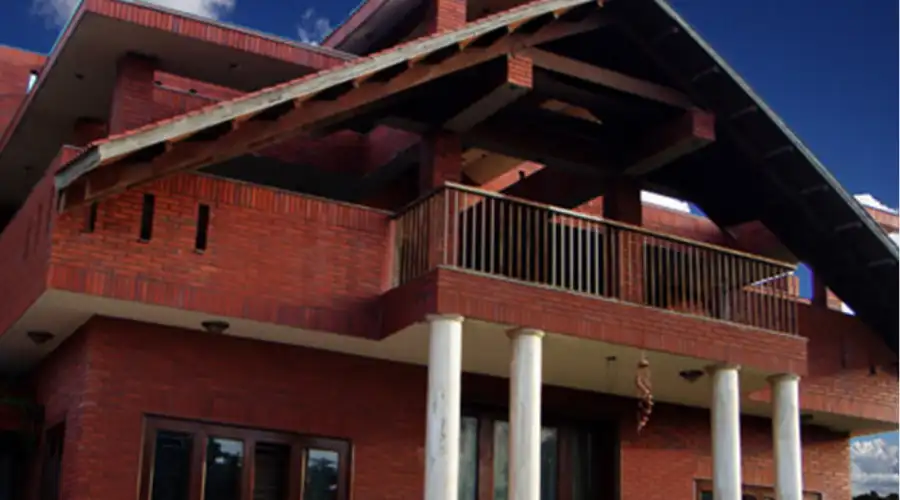
Laterite stone cladding gives buildings a natural warmth and rustic charm. It is ideal for both residential and commercial structures because its deep, earthy tones complement a variety of architectural types.
2. Sturdiness
Due to its exceptional durability, laterite stone can endure severe weather conditions, wear, and moisture for decades.
3. Minimal Care
Compared to wood Cladding or metal cladding materials, laterite stone is a practical option because it requires less upkeep after installation and sealing.
4. Weather Resistance
Laterite stone is perfect for humid, coastal locations with regular rainfall because of its natural makeup, which allows it to absorb and release moisture.
5. Eco-Friendly
Laterite stone is a natural and sustainable material. Purchasing locally lessens the impact of transportation on the environment.
6. Insulation Against Heat
The naturally porous nature of laterite stones provides better insulation than other types of stone, keeping buildings warmer in winter and cooler in summer, thereby contributing to energy conservation.
Installation of Laterite Stone Cladding
The installation of laterite stone cladding involves the following steps:
- Preparing the Surface: Clean the wall and remove all debris or broken materials. If necessary, level the surface.
- Cutting and Measuring: Cut and measure the stones to ensure they fit the wall properly.
- Glue application: Apply strong mortar or glue to bond the stones to the surface.
- Setting the stones: Place the stones with even spacing, ensuring proper alignment from the bottom.
- Sealing: This layer will help shield the stone from moisture, achieved by sealing it with an appropriate sealant.
- Finishing: Remove any excess adhesive and allow the cladding to dry.
Maintenance and Care
Although laterite stone cladding is low-maintenance and long-lasting, it still needs to be maintained:
Frequent Cleaning:
Regularly clean the cladding using mild soap and a soft brush to remove dirt and stains. Abrasive scrubbing or strong chemicals should be avoided, as they can damage the stone.
Re-sealing
The protective sealer of laterite stone cladding may wear off over time. The stone should be sealed again every few years to keep it resistant to weather and prevent moisture damage.
Repairing Cracks:
Address any chips or cracks that appear on the laterite stone promptly. Bigger cracks might require replacing the damaged stones, while smaller ones can be corrected with an appropriate filler or mortar.
Avoid direct water contact:
While laterite stone resists moisture, long exposure can cause damage. Seal it well and avoid water buildup.
Advantages of Laterite Stone Cladding
Laterite stone cladding has several benefits.
- Laterite stone exhibits rustic charm and rich earthy tones, enhancing any structure.
- It is highly durable and resistant to weather and seasonal changes.
- Once sealed, it requires minimal maintenance.
- Locally sourced laterite stone is eco-friendly, reducing transport emissions.
- Its porous nature provides excellent thermal insulation, keeping interiors cool and energy-efficient.
Disadvantages of Laterite Stone Cladding
It also has a few drawbacks to note.
- Compared to other cladding materials, the initial cost for laterite stone is usually more expensive, thus unaffordable for some projects.
- It has to be well sealed because it is porous to prevent moisture infiltration, which would eventually cause it harm.
- Laterite stone availability is a problem in some areas, and if not sourced locally, transportation expenses increase.
- Also, because of its weight, laterite stone installation requires adequate structural support to ensure the building’s stability.
Despite these challenges, the advantages of laterite stone often outweigh the disadvantages.
Conclusion
Laterite stone cladding is a durable, natural, and visually rich wall finish for homes and commercial buildings. Its reddish-brown colour, rustic texture, weather resistance, thermal insulation, and local sourcing potential make it suitable for many tropical and traditional-modern designs. However, laterite is porous, heavy, and dependent on proper sealing, fixing, and maintenance. The best results come from using good-quality stone, preparing the wall correctly, maintaining alignment, sealing the surface, controlling water exposure, and repairing cracks early. For long-lasting cladding, treat laterite as both a design feature and a construction material that needs proper detailing.
FAQs
- What is laterite stone cladding?
Laterite stone cladding is a wall finish where cut laterite stone pieces are fixed over interior or exterior surfaces. It gives a natural reddish-brown, rustic look and is used for façades, boundary walls, feature walls, garden walls, and commercial elevations. - Is laterite stone good for wall cladding?
Yes, laterite stone is good for wall cladding when installed and sealed properly. It offers natural beauty, durability, thermal insulation, weather resistance, and an earthy appearance. Since it is porous, moisture protection and periodic resealing are important. - Where can laterite stone cladding be used?
Laterite stone cladding can be used on house elevations, compound walls, entrance walls, balconies, garden walls, interior feature walls, resorts, cafés, offices, and commercial façades. It works especially well in tropical, rustic, and regional architectural styles. - What are the benefits of laterite stone cladding?
The benefits include rustic appearance, weather resistance, thermal insulation, durability, low maintenance after sealing, eco-friendly local sourcing, and suitability for both traditional and modern buildings. Brick & Bolt also highlights its natural warmth and long-lasting appeal. - Does laterite stone cladding need sealing?
Yes, laterite stone cladding needs sealing because laterite is porous and can absorb moisture. A suitable sealant helps protect the stone from water infiltration, stains, weathering, and long-term surface damage. - How do you maintain laterite stone cladding?
Maintain laterite stone cladding by cleaning it with mild soap and a soft brush, avoiding harsh chemicals, repairing cracks quickly, preventing water buildup, and resealing it every few years. Exposed exterior walls may need closer inspection after heavy rain. - What are the disadvantages of laterite stone cladding?
The disadvantages include higher initial cost, moisture risk if unsealed, limited availability in some areas, transport cost when sourced far away, and the need for structural support because laterite can be heavy compared with lighter cladding materials. - Is laterite stone cladding suitable for coastal areas?
Yes, laterite stone cladding can suit coastal and humid areas because it can absorb and release moisture, but it must be sealed properly and protected from constant water buildup. Good drainage, joint finishing, and periodic maintenance are essential.
 Sowjanya Siddanoor