


Methods of plastering refer to the different ways plaster is prepared and applied to walls, ceilings, partitions, and exterior surfaces to create a smooth, durable, and attractive finish. Common methods include cement plastering, gypsum plastering, mud plastering, lime plastering, and waterproof plastering. Each method suits a different surface, room condition, climate, and finish requirement. Brick & Bolt explains that plastering acts as a coating made from materials such as cement, sand, and water, helping strengthen surfaces and improve appearance. This guide covers plastering types, uses, tools, steps, finishes, mistakes, and FAQs.
Quick Summary
The main methods of plastering are cement plastering, gypsum plastering, mud plastering, lime plastering, and waterproof plastering. Cement plaster is strong and common for exterior and interior surfaces, gypsum plaster gives a smooth indoor finish, mud and lime plaster suit traditional or eco-friendly construction, and waterproof plaster is used in moisture-prone areas such as bathrooms.
This blog sheds light on the process, different types of plastering and their methods.
What is Plastering?
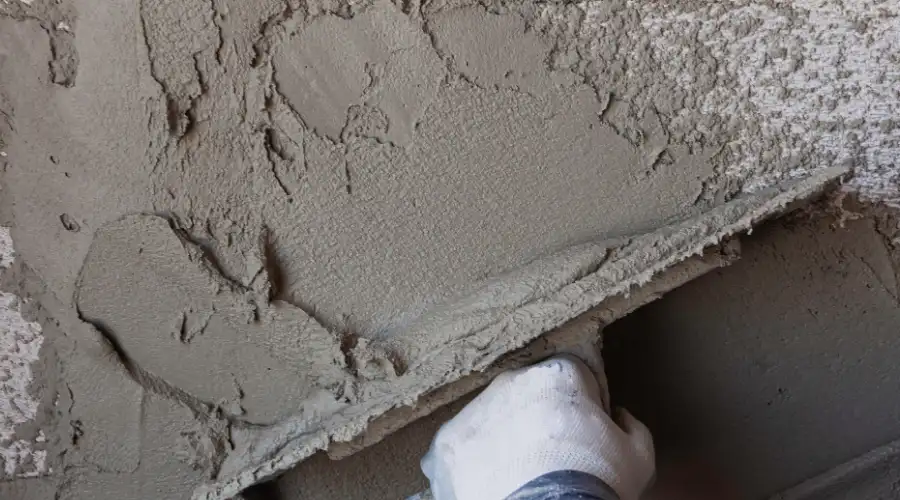
Plastering is the method of applying plaster a mixture of construction materials like cement, sand and water, which acts as a coating on walls, partitions and ceilings. The aim of plastering is to give the surface a smooth and seamless finish and strengthen it. Plastering on the exterior walls of a building is called rendering. The number of coats applied on the surface depends on the surface and its use. Today, modern construction involves several types of plastering to serve various needs, aesthetical preferences and environmental conditions.
Purpose of plastering
Plastering in construction is an important step as it serves several purposes:
- Increased durability – Plastering acts as a protective shield to any surface and increases the longevity of the building.
- Smoothing walls – Walls are usually built of bricks or other uneven surfaces. Plastering gives it a smooth and appealing look.
- Aesthetic enhancement – Plastering helps to enhance the visual appearance of the surface with patterns, paints and decorative textures.
- Fire resistance – Plastering acts as a barrier against the spread of flames in case of a fire accident.
- Insulation – Plaster absorbs sound and acts as a soundproof layer. Thick ready mix plaster can be used as insulation.
Types of plastering
Cement Plastering
This type of plastering involves a mixture of cement, sand, and water—typically guided by the recommended Cement and Sand Ratio required for Plastering—to provide a strong and durable surface. Commonly used on building exteriors, it protects the wall from severe weather and environmental conditions. This method is versatile and allows for different finishes like the sand-faced, smooth cast, roughcast and textured.
Gypsum Plastering
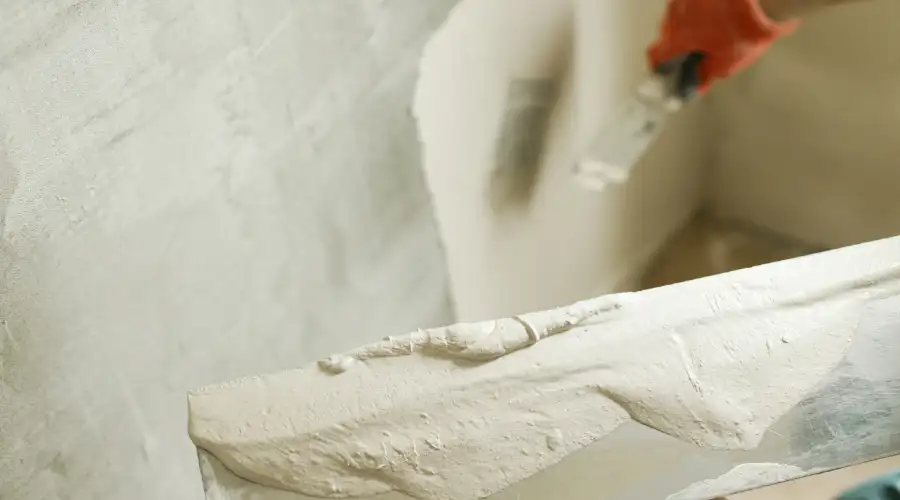
Gypsum plaster, also called Plaster of Paris (PoP) is a sulphate mineral composed of calcium sulphate dihydrate. This material is usually used for interior surfaces as it dries quickly and provides a polished surface. It is generally not used outdoors due to its low heat resistance. For its fire-resistant properties, gypsum is often one of the most sought-after materials for plastering and is used in buildings where hygiene and cleanliness are priorities. The gypsum mixture can be hardened with retarders or hardeners.
Mud Plastering
One of the less prevalent materials today, mud plaster consists of a mixture of soil with dung or hay and water. This eco-friendly method is often used in traditional and sustainable construction practices and gives an earthy look and finish to the surface. Even though it provides excellent thermal insulation and breathability, mud plastering is not preferred much in modern-day construction due to its traditional aesthetics.
Lime Plastering
Lime, sand and water are mixed in a ratio of 1:1 along with a small amount of cement to make lime plaster. This mixture is set when it comes in contact with air in the atmosphere. Lime plaster is used to give a unique and rustic finish to homes. This is another eco-friendly alternative to reduce carbon emissions caused by cement in cement plaster.
Waterproof Plaster
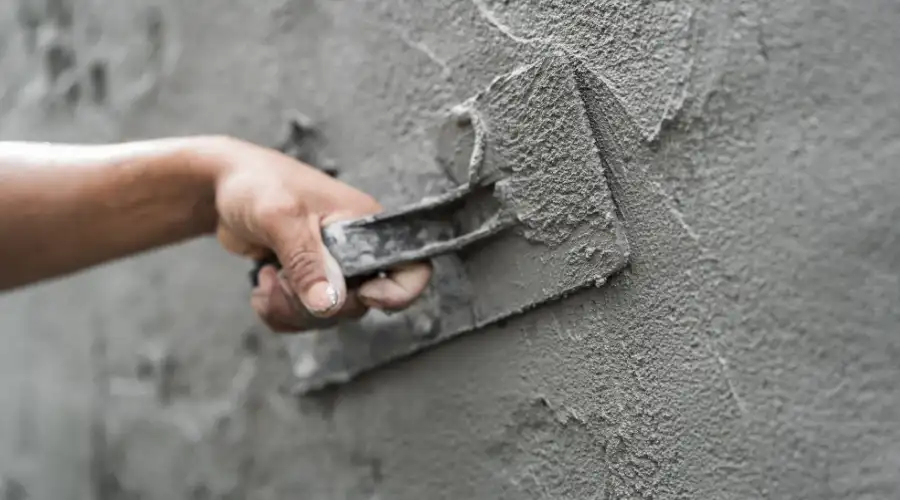
As the name suggests, this method is used to repel water and moisture. Waterproof plaster is often chosen for areas that are prone to moisture and dampness like bathrooms. This plaster prevents water from leaking through the walls, causing mould growth and damage. Its composition is generally similar to cement plaster, but has additional ingredients like pulverised alum and soft soap which chemically seal pores on walls.
Step-by-step guide to Plastering a surface
These are the steps to achieve a smooth and professional finish of plastering.
Preparing
The first step involves dusting and cleaning off any imperfections on the surface. In case of replastering, removal of old plaster must be done carefully to ensure smooth adhering of the new plaster to the surface.
Priming the surface
A PVA (Polyvinyl acetate) adhesive sometimes needs to be applied on the surface before plastering. This step is to ensure that the plaster can adhere to the surface firmly. The surface should not be completely dry before the plastering process.
Mixing
This is one of the crucial steps involved in the process of plastering as a mixture which is not in the right proportion can lead to uneven and lumpy consistency. The plaster must be mixed in a clean bucket of water to avoid contamination. Using a power mixer instead of a traditional method will ensure a smooth mix.
Applying
Using Hawk board and plastering trowel, the first coat of the plastering must be evenly applied from bottom to top of the surface. A firm and even pressure throughout the process will make the mixture adhere properly to the surface. At the end of each stroke, the area must be flattened with the trowel to smooth it down.
Finishing off the Plaster
Once the plaster has been dried, the surface needs to be smoothed out of bumps or gaps with the trowel. A spray bottle is used to wet the plaster slightly which will help the trowel to glide on the surface. Then the second coat of thinner plaster is applied to the surface. When the plaster is completely dried off, sandpaper can be used to smooth out any rough edges on the surface.
Plastering is generally not an option but an essential process when it comes to constructing a building. While it is important that the structure is strong and resilient, it is also important that it looks attractive and homely.
Conclusion
Methods of plastering differ by material, surface condition, climate, and finish requirement. Cement plastering is strong and versatile, gypsum plastering gives a smooth interior finish, mud plastering supports traditional natural construction, lime plastering suits breathable and heritage surfaces, and waterproof plastering helps in moisture-prone areas. The quality of plaster depends on surface preparation, correct mixing, even application, proper levelling, suitable finishing, and drying time. Before selecting a plastering method, consider whether the surface is interior or exterior, dry or damp, decorative or functional. Good workmanship matters as much as material choice.
FAQs
- What are the main methods of plastering?
The main methods of plastering are cement plastering, gypsum plastering, mud plastering, lime plastering, and waterproof plastering. Brick & Bolt lists these types based on material, purpose, finish, and surface requirement. - What is cement plastering used for?
Cement plastering is used for interior and exterior walls where strength, durability, and weather protection are needed. It is made with cement, sand, and water and can be finished as smooth cast, sand-faced, roughcast, or textured plaster. - What is the usual cement plaster mix ratio?
A common cement plaster mix ratio is 1:3 or 1:4 cement to sand for normal plastering. Brick & Bolt mentions these proportions, but the exact ratio should follow project specifications, wall type, exposure condition, and contractor or engineer guidance. - Which plaster is best for interior walls?
Gypsum plaster is often suitable for interior walls because it dries quickly and gives a polished surface. Cement plaster is also common for interiors where durability is needed. The best choice depends on moisture level, finish quality, and budget. - Which plaster is best for exterior walls?
Cement plaster is commonly used for exterior walls because it is strong and protects surfaces from weather exposure. Waterproof plaster may be used in damp-prone areas where additional moisture resistance is required. - What is the first step in plastering?
The first step in plastering is surface preparation. The wall must be cleaned, loose material removed, cracks repaired, and old weak plaster removed where necessary. Brick & Bolt highlights preparation as essential for proper adhesion. - What tools are used for plastering?
Common plastering tools include mortar pans, hawk boards, plastering trowels, wooden floats, spades, chisels, brushes, and sandpaper. Brick & Bolt lists these tools as usually involved in plastering work. - What should be done after plastering dries?
After plastering dries, the surface should be checked, smoothed, and sanded where needed. Brick & Bolt explains that sandpaper can be used to level and polish dried plaster before primer and paint are applied.
 prasanthkumar
  wordpress-prod