

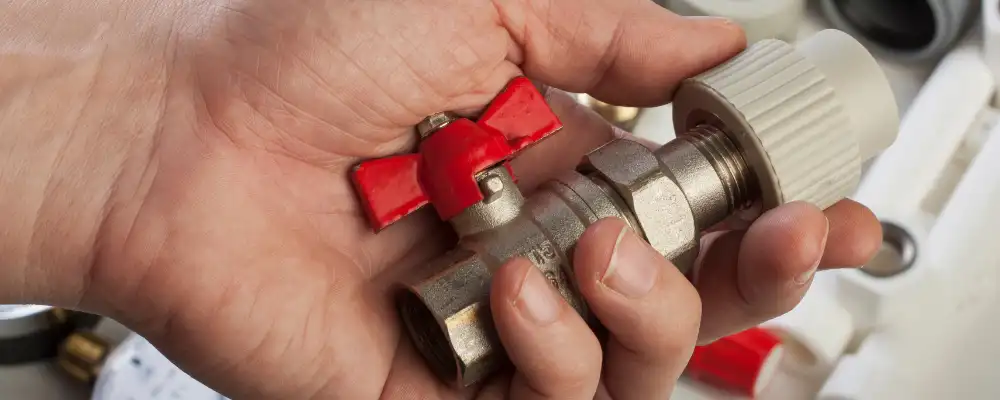
Plumbing Fixtures are devices connected to a building’s water supply or drainage system to provide, control or receive water. Toilets, wash basins, sinks, showers, faucets and bathtubs are common examples found in homes. Although they may appear to be simple finishing elements, fixtures affect water consumption, hygiene, usability and the overall performance of a plumbing system.
Selecting the right fixtures requires more than choosing a design that looks attractive. Flow requirements, installation space, water pressure, drainage connections, material quality, maintenance and compatibility with the plumbing system all matter. This guide explains the main types of plumbing fixtures, their uses, selection factors and maintenance requirements.
Quick Answer
Plumbing Fixtures are appliances or devices that receive, control, use or discharge water within a building. Common examples include toilets, wash basins, sinks, showers, faucets and bathtubs. The right fixture should match the available water pressure, supply and drainage connections, installation space, usage requirements and maintenance needs while complying with applicable plumbing requirements.
What is a Plumbing Fixture?
A plumbing fixture is a device that can be attached or hooked up to a plumbing system for regulated delivery and removal of water. Plumbing fixtures provide access to water for washing, bathing, and sanitation, both in residential buildings and commercial buildings. Examples of plumbing fixtures include: sinks, toilets, bathtubs, showers, faucets, urinals, bidets, drinking fountains, hoses, etc. Essentially, a plumbing fixture is a manufactured product designed for regulated access to use water conveniently, for hygienic purposes, and daily activities.
Types of Plumbing Fixtures
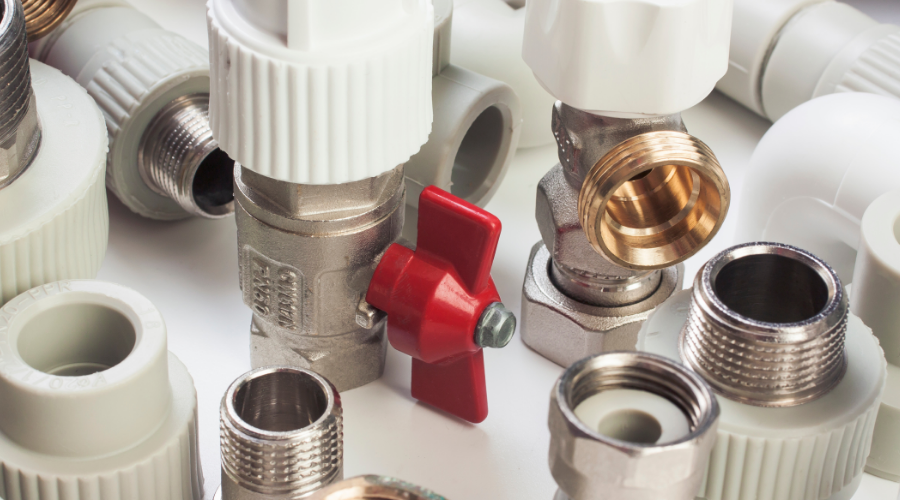
Faucets
Faucets control water flow and temperature for activities like washing hands, dishes, or cooking. Available in traditional, touchless, single-handled, and double-handled options, they come in plumbing materials like galvanized steel, brass, and chrome for durability. Touchless kitchen sink taps are gaining popularity for their water-saving and hygienic benefits, especially in high-traffic areas like commercial building kitchens and bathrooms.
Sinks
Sinks are versatile fixtures used for washing hands, dishes, and food. Constructed from materials such as stainless steel, porcelain, composite, granite, and ceramic, sinks combine practicality with style. Undermount and drop-in sinks integrate seamlessly into countertops, providing a smooth aesthetic and easy cleaning.
Showers
Showers deliver water in spray patterns for bathing, commonly found in bathrooms. They range from single-head to multiple-head systems and may include handheld sprayers and massage jets. Showers come in various configurations, such as independent units, bathtub-shower combinations, or standalone enclosures, offering customizable and luxurious bathing experiences.
Bathtubs
Bathtubs are used primarily for soaking. Styles include freestanding, alcove, drop-in, and clawfoot. Made from fiberglass, acrylic, cast iron, and porcelain, many bathtubs feature whirlpool jets and built-in massage systems for added comfort and relaxation.
Drinking Fountains
Drinking fountains provide potable water in public spaces. With motion sensor technology, modern fountains offer hands-free operation, improving hygiene and efficiency.
Pot Fillers
Pot fillers are wall-mounted or deck-mounted swing-arm faucets installed near stovetops to fill pots directly with water, eliminating the need to carry heavy water-filled vessels from the sink. They are especially useful in large kitchens or for frequent cooking, adding both convenience and functionality.
Water Closets (Toilets)
Toilets are essential for waste disposal, with variations like one-piece, wall-mounted, and dual-flush options. Dual-flush toilets offer water-saving features by allowing users to choose between a full or half flush, making them more eco-friendly and efficient.
Urinals
Urinals are typically installed in public restrooms and provide efficient waste disposal for men. Available in wall-mounted and floor-mounted designs, many modern urinals use low-flow or waterless technology to conserve water.
Bidets
Bidets are personal hygiene fixtures often found next to toilets. They offer a hygienic alternative to toilet paper, featuring adjustable water flow and temperature control for enhanced comfort.
Laundry Tubs
Laundry tubs are deep utility sinks used for washing clothes, typically found in laundry rooms. Made from stainless steel or fiberglass, they provide ample space for large cleaning tasks.
Floor Drains
Floor drains are installed in areas prone to water accumulation, such as bathrooms and kitchens, to manage excess water and prevent flooding.
Wash Troughs
Wash troughs are long, basin-style communal sinks designed to accommodate multiple users simultaneously, making them ideal for high-traffic areas like schools, factories, hospitals, and stadiums.
These plumbing fixtures enhance functionality and comfort while promoting water efficiency and hygiene, making them essential for modern living.
Materials Used in Plumbing Fixtures
Plumbing fixtures also include a variety of materials that are used according to the things to be done. Commonly used plumbing materials include:
- Stainless: An extremely common material due to its almost complete lack of need for maintenance. Stainless steel is a popular choice, and most people identify it by its naturally silver appearance.
- Porcelain or Ceramic: Perfect for toilets, sinks, and bathtubs. They have a smooth surface and are easy to clean.
- Acrylic and fibreglass: They have a low weight and are affordable. They are popular choices for bathtubs and shower surrounds.
- Cast iron: A durable material that will usually have an enamel finish when specified for sinks and bathtubs.
- Brass and chromed brass or copper: Good for faucets, the mains supply, and beyond. Excellent corrosion resistance, coupled with a nicely coppery look (where applicable).
- PVC, CPVC, and PEX: New polymers for supply and waste lines. Flexible and resistant to chemical corrosion, they have become widely popular.
How to Select the Right Plumbing Fixtures?
Selecting appropriate plumbing fixtures involves several technical and practical considerations,
1. Performance: Ensure the fixture meets its intended purpose (e.g., size and flow for a sink, temperature control for a shower).
2. Compatibility: Ensure the fixtures are compatible with the current plumbing. Check pipe size, pressure rating, and installation layout.
3. Quality of Material: Choose a corrosion-resistant and sturdy material, as it will be used in areas with hard water.
4. Installation and Maintenance: Opt for fixtures with universal montage so internal or exploratory parts are more easily repaired.
5. Reliability and Brand Standards: Use brands that are reputable and all fixtures are compliant with ISI and BEE for safety and performance.
6. Aesthetics and Style: Choose a material and style for the fixtures that complement the room’s overall theme.
7. Price and Warranty: Shop for a competitive price, look for full warranties, and make sure after-sales service is available.
General Tips for Installing Plumbing Fixtures
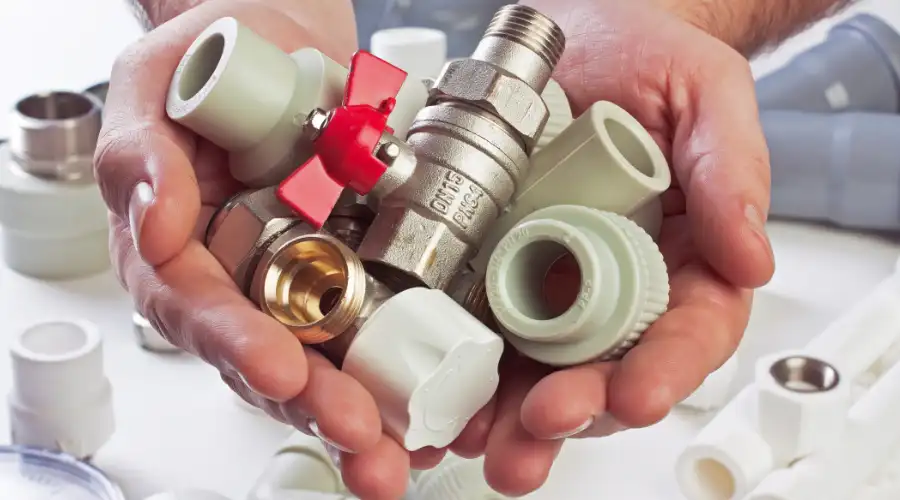
Proper installation is vital for the optimal performance and longevity of plumbing fixtures.
- Proper Measurements: Measure the area of installation accurately, and make marks for drilling holes for firm mounting.
- Pipe Connections: When using threaded connections, apply plumber’s tape to the threads to keep leaks from developing. Ensure the connections in the piping are secure and tight.
- Testing: Once everything has been installed, check for leaks and test the water pressure, making adjustments as necessary to ensure proper plumbing flow.
- Completing the Job: Once the fixtures are installed, make sure that the fixtures are properly spaced and all connections and components function properly.
Maintenance and Troubleshooting
Regular maintenance ensures the reliability and efficiency of plumbing fixtures.
- Regularly inspect for leaks, corrosion, and wear on seals and washers.
- Cleaning with proper cleaning materials to prevent the buildup of minerals, especially in hard water locations.
- Replacing washers, cartridges, or seals to eliminate leaks or broken operating features.
- Consult licensed plumbers when repair work is complex or ongoing repairs/issues to avoid further damaging plumbing fixtures or health concerns.
- Installing anti-limescale devices and purchasing plumbing fixtures with self-cleaning features is ideal for less maintenance.
Conclusion
Plumbing Fixtures are essential components of any functional home water and drainage system. Toilets, basins, faucets, showers, sinks, floor drains and other fixtures should be selected based on water pressure, plumbing connections, available space, durability, maintenance and user requirements. Water-efficient options can also help reduce unnecessary consumption. Good installation matters just as much as product selection: correct alignment, sealing, drainage and leak testing help prevent future problems. A well-planned fixture layout improves hygiene, comfort, maintenance and the overall usability of a home.
FAQs
- What are plumbing fixtures?
Plumbing fixtures are end-use devices connected to a building’s water supply or drainage system. Common examples include toilets, wash basins, sinks, faucets, showers, bathtubs and floor drains. They allow occupants to use water, control its flow or discharge wastewater. Fixtures should be selected and installed to match the building’s plumbing layout and operating conditions.
- What are the most common plumbing fixtures in a home?
The most common household plumbing fixtures include toilets, wash basins, faucets, showers, kitchen sinks and floor drains. Utility areas may also have washing-machine connections and utility sinks. The exact combination depends on the home’s layout and occupants. Each fixture requires appropriate water supply, drainage and installation clearances.
- What is the difference between plumbing fixtures and fittings?
Plumbing fixtures are generally the devices through which people use or discharge water, such as toilets and sinks. Plumbing fittings are components that connect or control the pipe network, such as elbows, tees, couplings and valves. A complete plumbing installation uses both fixtures and fittings to deliver water and safely remove wastewater.
- How do I choose the right plumbing fixtures?
Choose fixtures according to water pressure, available space, supply and drainage connections, material quality, water consumption, maintenance requirements and user needs. The fixture should also be compatible with the plumbing layout. Appearance can then be considered alongside functionality. Checking dimensions and connection details before purchase can prevent installation problems.
- Which plumbing fixtures save water?
Water-efficient faucets, showerheads and dual-flush toilets can reduce household water consumption. Sensor-operated fixtures may also reduce unnecessary flow in some applications. Actual savings depend on the fixture’s specifications and user behaviour. Rather than relying only on labels such as “water-saving,” compare the stated flow or flush performance and confirm that it suits the plumbing system.
- How often should plumbing fixtures be maintained?
Plumbing fixtures should be visually checked regularly for leaks, blockages, corrosion, damaged seals and abnormal operation. Cleaning frequency depends on the fixture and level of use. Faucet aerators, showerheads and toilet mechanisms may need attention when deposits or performance problems appear. Prompt repairs can prevent small leaks from developing into larger plumbing issues.
- Why does a faucet have low water flow?
Low faucet flow can result from a clogged aerator, sediment, restricted supply, inadequate pressure or an internal fixture problem. Start by checking and cleaning the aerator if appropriate. If low flow affects multiple fixtures, the problem may involve the wider water-supply system rather than one faucet and should be investigated accordingly.
- Can plumbing fixtures be replaced without changing the pipes?
Yes, many fixtures can be replaced without replacing the entire plumbing system if the new fixture is compatible with the existing supply and drainage connections. However, connection sizes, outlet locations, clearances and mounting arrangements must match. If the new fixture requires different pipe positions or drainage arrangements, plumbing modifications may be necessary.
 Sowjanya Siddanoor