

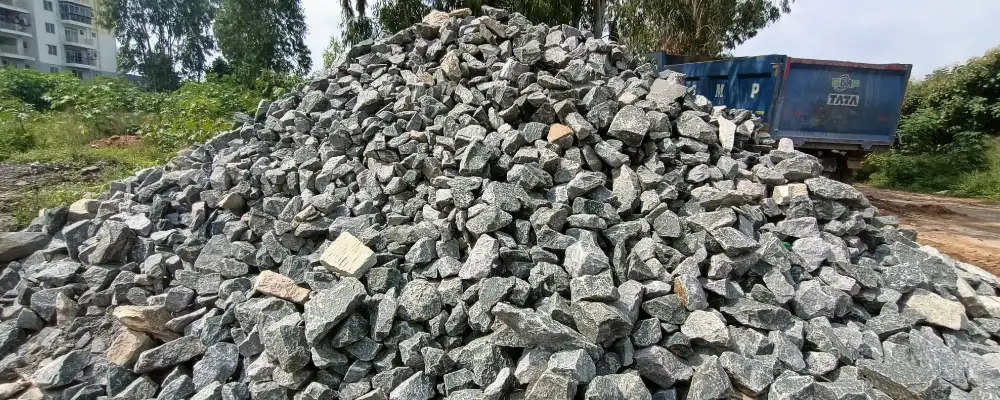
In the construction of any building, a good foundation is extremely crucial. One of the techniques applied to prepare the grounds for foundations is known as rubble soling. You can create a strong base for your building by using rubble soling. It is the crucial concept followed by civil engineers in India. In this blog, you will come to understand what rubble soling is, why it is required, what its advantages and disadvantages are, and how it is done step by step.
What is Rubble Soling?
Rubble soling in civil construction is one of the ground improvement techniques used in construction to maximise the stability and bearing capacity of soil. In this process, coarse aggregates are laid and compacted over the prepared subgrade.
Rubble soling is most effective on medium to well-drained soils such as sandy gravel or dense sandy soils, where it improves load distribution. The soling layer typically consists of stones of sizes ranging from 75 mm to 150 mm, hand-packed closely with minimal voids. The general purpose of rubble soling is to improve the bearing capacity and to stop the soil beneath from moving or settling too much. It also distributes the load from the building evenly, so it will not crack and damage the structure.
However, for very soft or expansive soils, rubble soling may not be sufficient alone. Alternatives like PCC (Plain Cement Concrete) layers, soil stabilisation with lime or cement, or geotextile reinforcement are recommended to improve bearing capacity and reduce settlement.
Importance of Rubble Soling in Construction
Rubble soling is also responsible for keeping your building safe and strong. The following are the reasons why it is essential:
- Efficient Ground Improvement: For low-bearing-capacity soils, it improves performance without any expensive soil stabilization.
- Resists Soil Movement: Loose or soft soil will change position when weight-loaded. Rubble soling prevents this by establishing a solid layer on the ground.
- Aids Drainage: The gaps between stones allow water to pass through easily. It reduces the risk of water accumulation and damage.
- Supports Heavy Loads: Rubble soling distributes the structural load uniformly over the subgrade and reduces stress concentrations and prevents differential settlement.
- Protects Foundations: By keeping water away and supporting the soil, it prevents cracks and other foundation problems.
- Economical: It uses local rubber or stones. Therefore, it is less expensive than some other foundation-based preparation processes.
Applications of Rubble Soling in Construction
Rubble soling is used in various parts of construction work. Here are some applications:
- Under Foundations: It is placed below the foundation for a solid base.
- Under Floors: It is used for underground floors to provide a firm surface.
- Road Construction: It is used in roadbeds to stabilise the ground.
- Temporary Roads or Paths: It is used to create rough and stable paths on construction sites.
- Drainage Layers: It helps improve water flow in some works.
Due to its strength and drainage, rubble soling is often preferred for buildings on loose or wet soil.
Materials Used for Rubble Soling
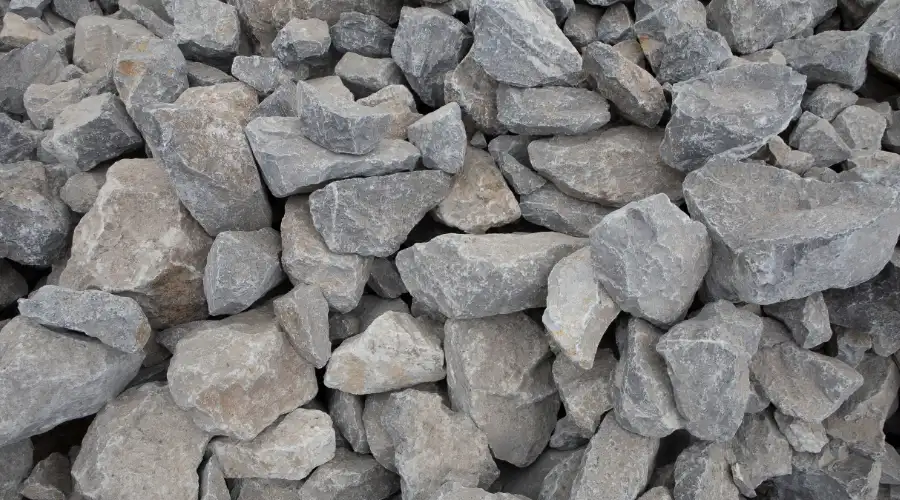
The materials typically used for rubble soling include:
- Rubbles: For rubble soling, granite, basalt, or any other strong rocks are chosen. The preferred size and shape are 75mm to 150mm.
- Crushed Stone: In case larger stones are unavailable, gravel fill or crushed stones are used to reduce voids and provide dense packing between the rubble.
- Sand or Quarry Dust: To fill the space among the rocks, sand or quarry dust are used.
- Binding Material: Like moram sand or moorum for better interlocking.
- Water: For compaction during laying.
Pros and Cons
When there are advantages, there would be some disadvantages too. Similarly, rubble soling has both pros and cons, which you should be aware of to make a wise decision.
Pros:
- Long-lasting: It provides a strong foundation that will last for several decades.
- Sufficient Drainage: The gaps between stones allow water to drain through. It helps avoid water damage.
- Budget-Friendly: For rubble soling, you can make use of stones that are available locally and cheaper.
- Ease of Use: No specialised equipment or skilled labour is needed.
- Stop Settlement: It minimises soil movement below the foundation.
Cons:
- Not Suitable for Very Soft Soils: Rubble soling can be sufficient in very weak soil.
- Labour-Intensive: Pressing down the stones and placing them right takes time and hard work to do it properly.
- Irregular Surface: Stones are not regular in shape. Therefore, extra steps must be taken to create an even surface.
- May Require Additional Layers: Sometimes, you must put another layer of concrete on the surface for support.
- Needs Proper Drainage Design: In case of inadequate drainage. Water may still be a problem underneath the rubble layer.
Materials Used for Rubble Soling
The material should be hard, durable, and suitable for compaction. Weak, flaky, weathered, or clay-coated stones should be avoided.
Common materials include:
|
Material |
Use |
|
Hard rubble stone |
Common for hand-packed soling |
|
Boulder pieces |
Used for thicker base layers |
|
Coarse aggregate |
Used for smaller void filling or compacted layers |
|
Stone chips |
Used to fill gaps between larger stones |
|
Murrum or sand |
Sometimes used for levelling or void filling, depending on specification |
The selected stone should be clean and strong enough to resist crushing during compaction. If the stones are too soft, they may break down under load and create settlement later.
Step-by-Step Process of Rubble Soling
Rubble soling is the process of laying stones in a layer to create a strong foundation for walls and floors. Below is the step-by-step procedure:
- Step 1: Ground Preparation – Level the ground upon which rubble soling will be carried out before starting. Clear the ground of grass, roots, loose soil, or waste.
- Step 2: Layout Marking – Mark the area of soling with chalk lines, ropes, or wooden stakes according to the foundation plan.
- Step 3: Position the Rubble Stones – Place big stones (150 mm size) side by side without any gap. Start from one end and continue row by row. Ensure that the flat surface is facing upwards.
- Step 4: Hammering and Setting the Stones – Use a hand hammer to adjust and fix the stones firmly in place. Ensure they are tightly packed with minimal voids.
- Step 5: Fill the Gaps with Smaller Stones or Chips – To strengthen the layer, fill the gaps between large pieces of rubble with small stones or stone chips. The minimum stone gaps can be filled with murum. This gives stability. (Note: Murum is a disintegrated form of rocks used for filling the plinth gap in construction lines, roads, footings, and drains etc. It is red in colour but rich in aluminium.)
- Step 6: Watering the Surface – Water over the surface of the stones laid. This compacts the small pieces and makes them stronger.
- Step 7: Compact the Layer Properly – Use a hand hammer or plate compactor to press the stones tightly into place. This step is important for strengthening and levelling.
- Step 8: Final Surface Check – After compaction, check if the surface is even. Add more stone chips or gravel to fill gaps, then compact again if needed.
Estimation & Rate Analysis of Rubble Soling Cost in India
To calculate the exact rate of rubble-soling work, you need to know actual market rates. As the material and labour costs differ from one location to another.
Example Rubble Soling Cost Calculation:
Let us assume you are calculating for
Rubble soling length = 16 ft
Width of the rubble soling = 7 ft.
The thickness of the rubble soling = 0.75 ft.
The total volume of the rubble soling
= [length x width x thickness]
= [16 ft. x 7 ft. x 0.75 ft.]
= 84 cu ft.
We will calculate the material and then labour required for the stone soling.
A) Material calculation:
1) Volume of rubble stone:
The required vol. of stone
= [1.25 x the vol. of rubble soling]
= [1.25 x 84 cu ft.]
= 105.00 cu ft.
2. Volume of murum:
The required volume of murum.
= 15% of the vol. of rubble stone.
= (15 x 105)/100
= 15.75 cu ft.
B. Labour calculation:
The labour rate per cu ft. of the rubble soling work ranges from INR 8/- to 15/- depending upon the region.
Let us consider an average rate of INR 12/- per cu ft.
The total cost of labour for rubble soling
= Total vol. of rubble soling in cu ft. x labour rate/ cu ft.
= 84 cu ft. x 12
= ₹ 1,008/-
Now, let us calculate the total cost of rubble soling in table format.
| Sl No. | Feature | Qty (cu ft.) | Rate(₹) | Unit | Cost(₹) |
| 1. | Rubble Stone | 105.00 | 40 | cu ft. | 4200 |
| 2. | Murum | 15.75 | 13 | cu ft. | 204.75 |
| 3. | Rent of a compactor | Lump-sum | 200 | ||
| 4. | Water for Flooding | Lump-sum | 100 | ||
| 5. | Miscellaneous | Lump-sum | 100 | ||
| The material Cost= | 5004.75 | ||||
| 5% of wastage= | 250.23 | ||||
| Total material cost= | 5,254.98 | ||||
| Labour cost= | 1,008 | ||||
| Total cost of Rubble soling work= | 6,262.98 | ||||
a. The cost of rubble soling /cu ft.
= [total rubble soling cost/total soling vol. in cu ft.]
= (6,262.98/84)
= INR 74.55 /cu ft.
b. The cost of rubble soling /cu meter.
= [74.55 x 35.3147] {since 1cum = 35.31 cu ft.}
= INR 2,632.36/cum.
Note: When preparing the bill of quantities for the project, keep in mind to add an extra 10% to 15% for the contractor’s profit.
Rubble Soling Below PCC
Rubble soling is often provided below plain cement concrete. The soling creates a hard base, while PCC provides a level and clean working surface for reinforcement, flooring, or further construction.
A typical ground floor build-up may include:
|
Layer |
Purpose |
|
Compacted soil |
Provides base support |
|
Rubble soling |
Creates hard and stable base |
|
Void filling layer |
Reduces gaps and movement |
|
PCC layer |
Provides level concrete base |
|
Waterproofing or damp-proof layer |
Controls moisture where required |
|
Flooring or RCC layer |
Final structural or finish layer |
The exact sequence can vary by design. In wet areas or sites with moisture risk, waterproofing and damp-proofing should be planned before floor finishing.
Benefits of Rubble Soling
Rubble soling offers practical benefits when done correctly.
Better base stability
A compacted rubble layer creates a stronger base than loose soil. It helps support the PCC or floor above it and reduces the risk of soft patches.
Improved load distribution
The stone layer helps spread loads over the subgrade. This is useful below floors, pavements, compound walls, and low-load foundation areas.
Reduced settlement risk
Properly packed stones and filled voids reduce later movement. This helps prevent uneven floor settlement and surface cracks.
Better drainage support
Rubble soling can support drainage when designed with proper slope and outlet. It should not be treated as a waterproofing layer, but it can reduce water stagnation below certain ground-supported works.
Useful in plinth filling
In plinth areas, rubble soling helps create a firm base before PCC and flooring. It also supports level correction where ground conditions are uneven.
Rubble Soling vs PCC
Rubble soling and PCC are different layers, but they often work together.
|
Factor |
Rubble Soling |
PCC |
|
Material |
Stones or coarse aggregate |
Cement, sand, aggregate, and water |
|
Main purpose |
Base stability and filling |
Level concrete working surface |
|
Strength behaviour |
Interlocked and compacted layer |
Hardened concrete layer |
|
Placement |
Over compacted soil |
Usually over soling or prepared base |
|
Finish |
Rough and uneven before levelling |
Smooth and level |
|
Common use |
Below floors, foundations, pavements |
Below RCC, flooring, footings |
Rubble soling should not replace PCC where PCC is specified. PCC provides a clean and level base, while rubble soling provides support below it.
Quality Checks for Rubble Soling
Quality control should happen before the layer is covered. Once PCC is poured, defects in soling are difficult to inspect.
|
Checkpoint |
Why it matters |
|
Subgrade compaction |
Prevents settlement below soling |
|
Stone quality |
Avoids crushing and breakdown |
|
Proper hand packing |
Reduces loose movement |
|
Void filling |
Improves interlock and stability |
|
Layer thickness |
Maintains design level and support |
|
Compaction |
Creates firm base |
|
Level checking |
Prevents uneven flooring |
|
Drainage slope |
Avoids water stagnation where required |
The site engineer or supervisor should inspect the soling before allowing PCC work.
Common Mistakes to Avoid
The first mistake is placing rubble over loose or uncompacted soil. If the subgrade settles, the soling layer above it will also move.
The second mistake is using soft or broken waste material instead of hard stone. Poor material can crush under load and create voids.
The third mistake is leaving large gaps between stones. Empty voids can cause future settlement and weak support.
The fourth mistake is skipping compaction. Loose rubble does not provide a stable base.
The fifth mistake is ignoring level control. Uneven soling can increase PCC thickness in some areas and reduce it in others.
The sixth mistake is treating rubble soling as waterproofing. Moisture protection needs a separate damp-proofing or waterproofing layer where required.
When Rubble Soling May Not Be Enough
Rubble soling is useful, but it is not a solution for every ground problem. It may not be enough when the soil is very soft, expansive, waterlogged, filled with organic matter, or prone to heavy settlement.
In such cases, the engineer may recommend:
- Removal and replacement of weak soil
- Soil compaction in layers
- Granular sub-base
- Anti-termite treatment where required
- Damp-proof membrane
- Higher-grade PCC
- Raft or engineered foundation system
- Soil stabilisation
For structural foundations, decisions should be based on soil condition and structural design, not only standard site practice.
Cost Factors in Rubble Soling
The cost of rubble soling depends on material availability, stone size, layer thickness, labour, transport, compaction method, and site access.
Major cost factors include:
- Area to be covered
- Required thickness
- Type and size of stone
- Distance from quarry or supplier
- Labour for hand packing
- Compaction equipment
- Void filling material
- Level correction required
- Wastage and site handling
A low quote may not include proper hand packing, compaction, or void filling. Always compare the full scope before finalising the work.
Conclusion
Rubble soling in construction provides a firm and compacted stone base below floors, foundations, pavements, and plinth areas. It improves base stability, supports load distribution, fills uneven ground, and prepares the surface for PCC or concrete work. Its performance depends on proper subgrade preparation, hard stone, close packing, void filling, compaction, and level control. Before covering the layer, get it checked by a site engineer to avoid future settlement or flooring defects.
FAQs
- What is rubble soling in construction?
Rubble soling in construction is a layer of stones or coarse aggregates laid and compacted over prepared soil. It creates a firm base below PCC, flooring, foundations, pavements, or plinth areas. The layer helps improve stability, load distribution, and surface preparation before concrete work. - Why is rubble soling used below floors?
Rubble soling is used below floors to create a stable and compacted base before PCC or flooring layers. It reduces the effect of uneven soil, supports load distribution, and helps prevent soft spots. Proper compaction and void filling are important for long-term floor performance. - What material is used for rubble soling?
Hard rubble stone, boulder pieces, coarse aggregate, and stone chips are commonly used for rubble soling. The stones should be durable, clean, and strong enough to resist crushing during compaction. Soft, flaky, clay-coated, or weathered stones should be avoided. - What is the thickness of rubble soling?
The thickness of rubble soling depends on the design, soil condition, and use of the floor or foundation. Many residential works may use a layer around 150 mm to 300 mm, but the exact thickness should follow the drawing, specification, or engineer’s instruction. - Is rubble soling the same as PCC?
No, rubble soling is not the same as PCC. Rubble soling is a compacted stone layer used as a base, while PCC is plain cement concrete placed above a prepared base. Rubble soling provides support, and PCC provides a clean, level concrete surface. - Can rubble soling prevent settlement?
Rubble soling can reduce minor settlement risk when it is placed over well-compacted soil and packed properly. However, it cannot solve serious soil problems such as weak, expansive, organic, or waterlogged soil. In such cases, soil improvement or engineered foundation design may be needed. - Should rubble soling be compacted?
Yes, rubble soling should be compacted properly. Compaction helps lock the stones together, reduces voids, and creates a firm base for PCC or flooring. Loose soling can move under load and may cause uneven floor settlement or cracks later. - Who should inspect rubble soling before PCC?
A site engineer, civil engineer, or experienced supervisor should inspect rubble soling before PCC is placed. They should check subgrade compaction, stone quality, thickness, void filling, level, slope, and overall firmness. Once PCC is poured, defects in the soling layer become difficult to correct.
 Sowjanya Siddanoor