

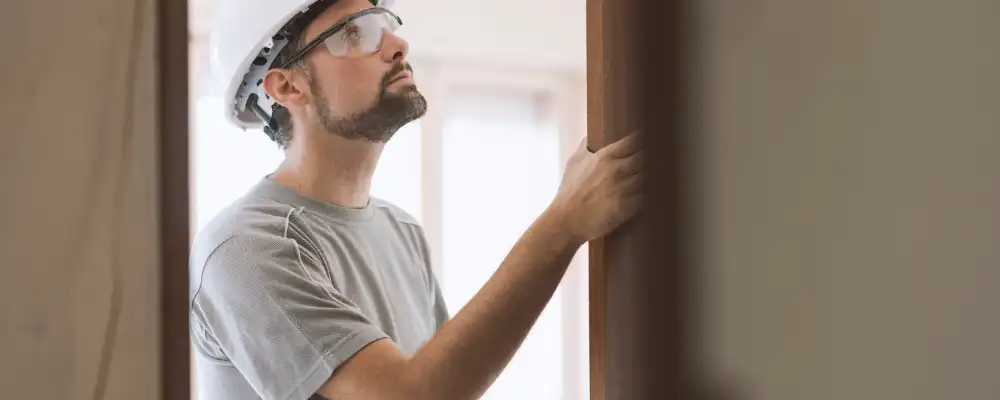
Ever paid attention to that solid piece of wood your door latch latches into? Or thought to yourself, why does my door close perfectly sometimes, but sometimes allow a draft to come in? This is most likely because of a door jamb. If you have a construction or renovation at home coming up and you want your doors to align perfectly and function correctly, then it is crucial to understand what a door jamb is. Here at Brick & Bolt, we believe that solid knowledge aids in making better decisions in every construction project. So, let’s talk you through all of the things you need to know about door jambs in simple, straightforward terms.
What is a Door Jamb?
A door jamb is the vertical element in a door frame that the door is attached to with hinges and closes against. It is the vertical structure mounted in the wall’s “hole” which acts as the supporting surface for the hinges and for the door to latch or deadbolt. If a jamb is not installed correctly, a door literally won’t close properly, latch correctly or function properly.
Components of a Door Jamb
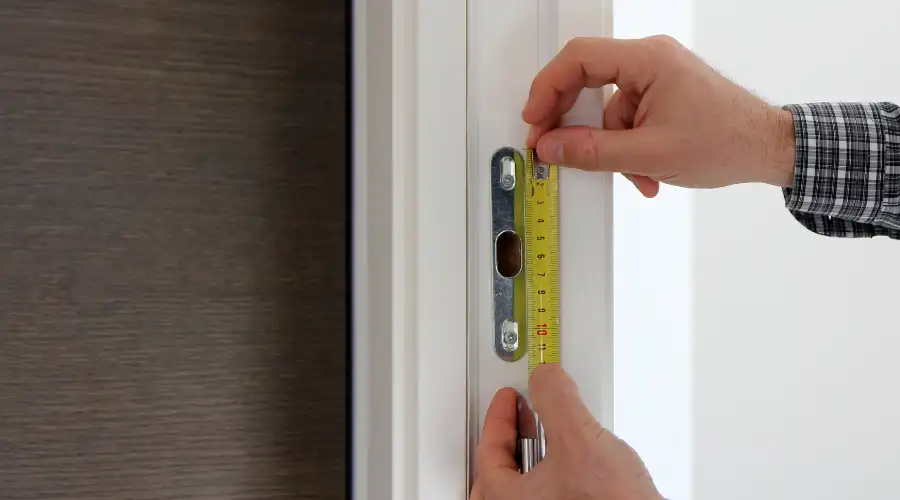
A typical door jamb is made of specific components, including:
- Head Jamb: It is the horizontal top of the frame and connects the two vertical side jambs to create a rectangular shaped unit that the door fits into.
- Hinge jamb: This is the side of the door jamb where the hinges are located. This part must be strong and absolutely plumb (vertical) in order for the door to swing properly without binding.
- Strike jamb: This is the side of the door jamb where the latch and locking mechanism is attached. This is where the strike plate is attached, which is the metal piece that the door latch or deadbolt latches into to hold the door closed.
- Stop molding: This is a thin strip of wood that runs down the inside edge of each side jamb, and across the head jamb. When the door closes, the edge of the door hits the stop molding, pulling it tight and preventing the door from swinging right through the door frame to the other side.
Functions of a Door Jamb
So, why do door jambs in construction matter so much? Here’s what it does:
- Supports the door – it carries the weight of the door and keeps it aligned.
- Choosing Secure locking systems – the jamb is where we fasten locks, latches, and deadbolts.
- Helps the door do its job – if the jamb is installed correctly, the door will open and close precisely.
- Seals gaps – weatherstrips are frequently attached to door jambs to block air & sound.
Door Jamb vs. Door Frame
A door jamb and a door frame are both components that help support a door shutter. However, there are some key differences between the two, including:
| Door Jamb | Door Frame | |
| Meaning | A vertical strip placed on both sides of the door frame. | It is the entire unit against which a door rests and includes components like jambs, horizontal and vertical framing members, threshold, casing and weather stripping. |
| Function | Helps in the door’s locking, closing and opening mechanisms. | Provides structural support to the door and creates an air-tight door enclosure. |
| Installation | Can be installed or replaced independently. | Generally installed during the construction process |
Types of Door Jamb
Door jambs come in several configurations to address specific frame constraints:
- Split Door Jambs: These are two-piece jambs that simply piece together around the wall framing. Split jambs are used mostly for installing doors in finished walls without removing any finish trim or casing.
- Exterior vs Interior Jambs: Exterior jambs are often solid wood in uPVC Doors or composite and are weather resistant. The pieces are generally wider than a standard interior jamb because exterior walls can be thicker, and most will have some integrated sill/threshold or separate sill/threshold with a weatherstrip groove to create a watertight seal.
- Solid Jambs: These jambs are made of one solid piece of material throughout the depth of the jamb for maximum strength and stability. They are used for heavier doors or heavy security applications.
Standard Door Jamb Sizes
Door jambs typically come with heights of 7-8’, while their thicknesses and depths can vary widely based on the material type, door/ opening size, shutter thickness, wall thickness and frame size. Typically they are around 4-6” wide, and 12-20mm thick (when made of wood).
Installing a Door Jamb
Installing a door jamb isn’t as simple as just screwing it in. Here’s a high-level look at the process:
- Measure the Rough Opening: This should be done precisely to the exact millimeter measurement.
- Level and Shim: To make sure that the jamb is plumb.
- Secure the Frame: Attach the jamb to the wall framing with screws or nails.
- Attach the Door: If the door is not pre-hung, it will be attached later with hinges.
- Add Trim and Seal: Finish the jamb with casing, caulk, and weather stripping.
If done incorrectly, even a high-quality door won’t close properly. That’s why professional installation—like what Brick & Bolt offers—is worth considering.
Cost of Door Jambs
The general cost of door jambs in India is around the following ranges:
- Wooden door jamb: ₹400-1000/ sq ft
- WPC door jamb: ₹100-150/ sq ft
- Steel door jamb: ₹200-550/ sq ft
However, these are approximate values and may vary widely based on factors like thickness, length, type of wood/ metal used, finish, location, market conditions, availability and brand.
Maintenance Tips
A well-installed door jamb can last for decades, but a little care goes a long way:
- Look for moisture or rot in a wooden jamb.
- If your doors seem to be beginning to sag, you may want to tighten the screws (in the hinges).
- If your jamb is wooden, you should repaint or seal it once every couple of years.
- Besides not looking great, dirty hinges and latches may restrict your door from opening all the way or at all.
- Check your weather stripping on a regular basis to ensure your doors will insulate the home properly.
With periodic attention, your door jamb can stay strong and trouble-free.
Choosing the Right Door Jamb for Your Home
Here are a few things to consider when picking a door jamb:
- Location: Exterior vs. interior? Wet area vs. dry area?
- Material: Wood is commonly used to build jambs for interiors; composite materials or metal are commonly used for exteriors.
- Types of Doors: Heavy doors may require solid jambs or reinforced jambs.
- Style: Look at the finishes and trims to match your door and decor.
Still unsure? Brick & Bolt helps homeowners and builders across India make smart choices with expert guidance and customised construction services. Our team ensures every component—from frames to finishes—is perfect for your project.
Key Takeaways and Conclusion
A door jamb may seem like a small detail, but it actually has a big effect on how your door looks, operates, and holds up over time. Whether you’re building a new house, remodeling a room, or just curious about how things work—knowing about door jambs gives you the data you need to make informed decisions. If you plan to install or replace a door, enlist the help of professionals like Brick & Bolt to get the job done right, from the first nail you drive in to the last time the door swings closed. Connect with Brick & Bolt for professional construction help and find the best fit for your budget and vision.
Frequently Asked Questions (FAQs)
- Can a door jamb be removed?
A door jamb can be removed independently if it is installed as a separate piece. For example, if a wooden jamb is screwed onto a wooden door frame, these screws can be removed to dismantle the jamb. However, if it is welded, glued or fixed by other permanent methods, it can only be removed along with its frame.
- What door jamb size do I need?
The door jamb size required depends on several factors like door frame size, opening size, shutter thickness, wall thickness and type of locking mechanisms needed.
- Can you reuse a door jamb?
Yes, a door jamb can be reused if it can be removed from the door frame without harming its structural integrity. However, this is material-specific.
- How to install a door jamb?
The door jamb installation process includes steps like leveling and fixing the door frame, cutting the jamb to size after measuring the opening and fixing it to the frame using screws, adhesives or methods like welding and bolting.
- How to build a door jamb?
Door jambs are typically available in standard pre-cut sizes. However, they can also be made by cutting the suitable wood or steel sections.