


Curing in construction is the process of maintaining enough moisture, temperature, and time for fresh concrete to gain strength properly. It matters because cement needs water to complete hydration, which helps concrete harden, reduce cracks, and become durable. Without proper curing, concrete may dry too quickly, leading to weak surfaces, shrinkage cracks, dusting, and lower long-term performance. This blog explains what curing means, major curing methods, where each method is used, why it is important, common mistakes, and practical site tips for better concrete work.
Quick Answer
Curing in construction means keeping concrete moist and protected after placement so cement hydration continues properly. Common curing methods include water curing, membrane curing, steam curing, and curing by absorption. Proper curing improves concrete strength, durability, surface quality, and crack resistance, especially in foundations, roads, bridges, slabs, columns, beams, and precast concrete elements.
What is Curing?
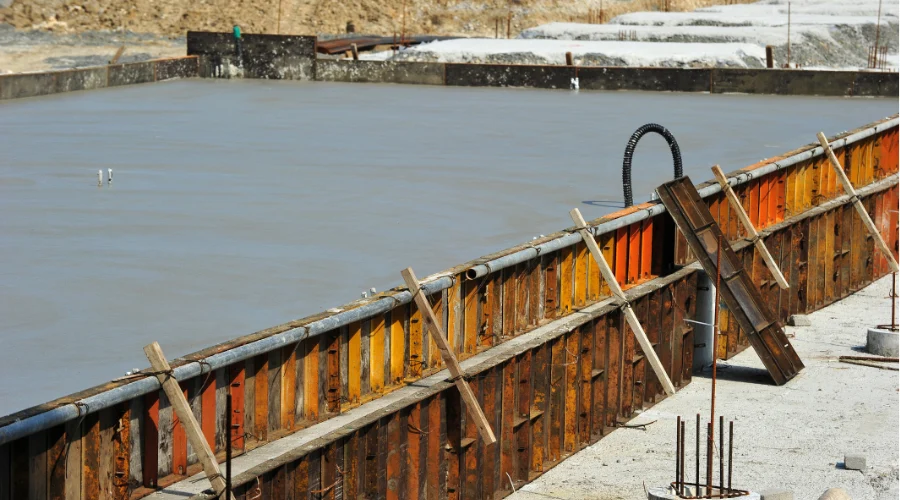
Curing is essentially the process of keeping the concrete moist and warm enough so that the chemical reactions involved in the hydration of cement can continue. This hydration process is vital because it leads to the hardening and strengthening of concrete.
Curing Types
Water Curing
Water curing means keeping the concrete surface wet all the time. This helps the concrete get strong by preventing it from drying out too quickly.
How It’s Done:
Ponding: This is like creating small ponds on flat surfaces. You build small temporary walls around the area and fill it with water, keeping the concrete submerged.
Spraying: If ponding isn’t possible, you can spray water on the concrete regularly. This is usually done with hoses or sprinklers.
Wet Coverings: Another way is to cover the concrete with wet materials like burlap (a type of cloth) or cotton mats. These covers are kept wet by spraying water on them.
Membrane Curing
Membrane curing involves applying a special coating on the concrete surface that seals in moisture, preventing the water from evaporating.
How It’s Done:
Curing Compounds: These are liquid solutions (like wax or resin) sprayed or painted on the concrete. They form a thin film that locks in moisture.
Plastic Sheets: Sometimes, plastic sheets are laid over the concrete. These sheets act as a barrier, trapping moisture inside.
Steam Curing
Steam curing uses steam to speed up the curing process. This method is especially useful in colder weather or when you need the concrete to set quickly.
How It’s Done:
Enclosed Spaces: Precast concrete elements (like beams or columns) are placed in an enclosed space where steam can be pumped in.
Temperature Control: The steam increases the temperature and humidity around the concrete, accelerating the curing process.
Curing by Absorption
This method involves covering the concrete with absorbent materials that are kept wet. These materials hold water and slowly release it to the concrete.
How It’s Done:
Materials Used: Common materials include sand, sawdust, or hay. These materials are spread over the concrete surface.
Maintaining Moisture: The covering materials are kept wet by regularly adding water to them, ensuring that the concrete stays moist.
Applications of Curing
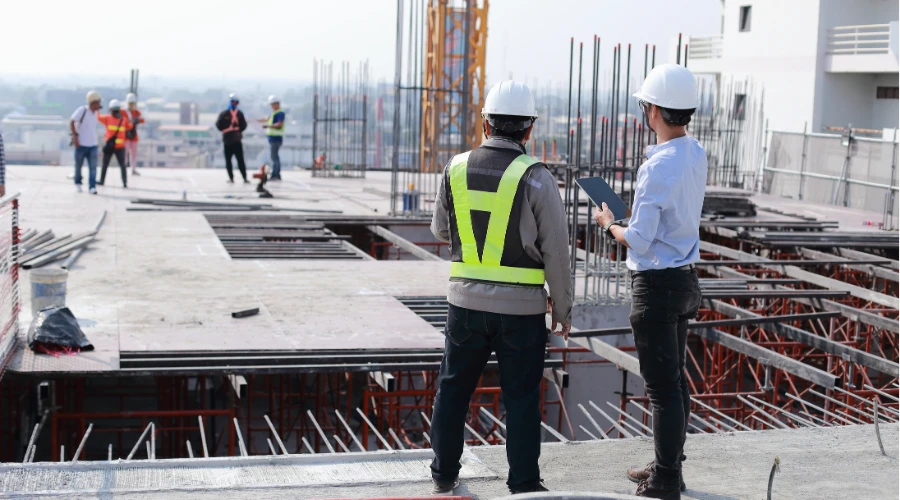
Building Foundations
The Building foundation is the most critical part of any building, providing stability and support to the entire structure. Proper curing of the foundation is essential to ensure it develops the necessary strength and durability.
Method Used: When it comes to building foundations, water curing is the most common method used. This involves keeping the foundation moist continuously.
Process of Water curing:
Initial Wetting: After the concrete is placed and finished, the curing process begins with an initial wetting phase. The surface is sprayed with water to prevent it from drying out.
Covering: The foundation is then covered with wet burlap, cotton mats, or polyethylene sheets to retain moisture.
Regular Wetting: The covers are kept wet for at least 7 days. This is done by sprinkling water regularly to ensure consistent moisture.
Road Construction
Roads need to be durable and able to withstand heavy traffic loads. Proper curing ensures that the concrete pavement develops the necessary strength and resists cracking.
Method Used: Membrane curing is frequently used for road construction due to its practicality for large surfaces.
Process of Membrane Curing:
Application of Curing Compound: Once the concrete is set, a curing compound (often a liquid membrane-forming compound) is sprayed onto the surface.
Sealing the Surface: The compound forms a thin film over the concrete, which prevents water from evaporating too quickly.
Maintenance: The compound remains on the surface until the curing period is complete, typically 7-14 days. It may need to be reapplied if damaged by traffic or weather conditions.
Bridge Construction
Bridges, especially those exposed to varying weather conditions, require curing methods that can maintain uniform temperature and moisture levels. Proper concrete curing types is crucial to ensure the concrete achieves the strength needed to support heavy loads and resist environmental stress.
Method Used: Steam curing is often used for bridge construction, particularly in cold climates or where accelerated curing is needed.
Process of Steam curing
Enclosure: The precast concrete elements (such as beams and supports) are enclosed in a steam chamber or tented area.
Steam Application: Steam is introduced into the enclosure, raising the temperature and humidity around the concrete.
Temperature Control: The temperature is carefully monitored and maintained to ensure it remains within the optimal range for curing.
Precast Concrete Elements
Precast concrete elements, such as beams, slabs, and columns, need to be cured quickly and efficiently so they can be transported and installed at the construction site without delay.
Method Used: Steam curing is commonly used in precast concrete plants to expedite the curing process.
Process of Steam curing:
Controlled Environment: The precast elements are placed in a controlled environment where steam can be introduced.
Application of Steam: Steam is applied to maintain a high humidity level and elevate the temperature.
Accelerated Curing: The high temperature and humidity accelerate the curing process, allowing the concrete to achieve the desired strength much faster than traditional curing methods.
Importance of Curing
Strength Development: Proper curing ensures that concrete achieves its designed strength. Without adequate curing, the concrete might not reach its potential strength, leading to weaker structures.
Durability: Curing improves the durability of concrete by reducing its permeability. This means that the concrete is less likely to be affected by weathering, freezing and thawing cycles, and chemical attacks.
Surface Quality: Adequate curing prevents surface defects like cracks, dusting, and scaling, ensuring a smooth and even surface finish.
Minimizes Shrinkage: Curing helps in minimizing shrinkage and cracking. Uncured concrete can lose water rapidly, leading to cracks and structural issues.
Conclusion
Curing in construction is essential for strong, durable, and long-lasting concrete. It maintains the moisture and temperature needed for cement hydration, helping concrete gain strength and resist cracks, dusting, scaling, and permeability. Common methods include water curing, membrane curing, steam curing, and curing by absorption. The right method depends on the structure, climate, surface area, and project requirement. For best results, curing should start on time, continue for the specified duration, and be supervised properly by the site team.
FAQs
- What is curing in construction?
Curing in construction is the process of maintaining moisture and suitable temperature in fresh concrete so cement hydration can continue. It helps concrete gain strength, improve durability, reduce cracking, and develop a better surface finish. - Why is curing important for concrete?
Curing is important because concrete needs moisture to gain strength properly. Without curing, concrete can dry too quickly, leading to shrinkage cracks, dusting, weak surfaces, lower durability, and reduced resistance to weather and chemical attack. - What are the main methods of curing?
The main methods of curing are water curing, membrane curing, steam curing, and curing by absorption. Water curing keeps concrete wet, membrane curing traps moisture, steam curing accelerates strength gain, and absorption curing uses wet coverings to retain moisture. - How long should RCC curing be done?
RCC curing is commonly done for 7 to 14 days, depending on the structure, weather, cement type, and project specification. Critical concrete work may need longer curing. The engineer’s instruction should always be followed for important structural members. - Which curing method is best for slabs?
Water curing is commonly used for slabs because ponding can keep the surface continuously wet. Wet coverings or plastic sheets may also be used. For large pavement-like slabs, membrane curing may be more practical if regular watering is difficult. - What happens if curing is not done properly?
If curing is not done properly, concrete may lose water too quickly and fail to gain full strength. This can cause cracks, weak surfaces, dusting, scaling, higher permeability, and reduced long-term durability. - Can membrane curing replace water curing?
Yes, membrane curing can replace water curing in some situations, especially for large surfaces, roads, or sites with limited water. However, the curing compound must be applied correctly and should be compatible with any future coating, plaster, tile, or floor finish. - When should curing start after concrete placement?
Curing should start as soon as the concrete surface is firm enough to avoid damage. Early moisture loss should be prevented, especially in hot, dry, or windy weather. The exact start time depends on setting, surface condition, and project requirements.
 prasanthkumar
  wordpress-prod