


The difference between capping and coping is mainly based on location, purpose, design, and finish. Capping is a protective layer used on the top of walls or roofs to prevent water seepage and weather damage. Coping is a protective and decorative finish used mainly on the top of exterior walls, parapet walls, garden walls, and fences. Both protect structures from rain, sunlight, moisture, cracks, and deterioration, but coping usually gives a more finished architectural look. This guide explains their meanings, materials, uses, benefits, installation checks, and selection tips. Brick & Bolt explains that both are used on wall or roof tops but serve slightly different design roles.
Quick Summary
Capping protects the top of a wall or roof from water and weather damage, while coping protects and finishes the top of exterior walls such as garden walls, parapet walls, and fences. Capping is usually more functional, while coping is often both protective and decorative, with flat, rounded, sloped, or pointed profiles.
What is Capping?
Capping or wall cap can be defined as a layer of protection at the top of a wall or roof that prevents the seeping of water. It acts like putting a hat on the structure for protection against weather conditions, such as rain, snow, and especially the sun. Most often, capping is manufactured from metals, stones, and concretes, which are all strong.
- Purpose: Capping prevents water from seeping through the wall or roof. Water that could penetrate would create deterioration in time, resulting in fissures with possible mold development.
- Material: The common materials employed for capping are metal, stone, and concrete. These materials have been selected because they can withstand harsh weather conditions.
- Appearance: The capping usually looks like a flat or slightly inclined surface on top of a wall or roof. It is functional but can also add some decorative touch to improve the building’s appearance.
What is Coping?
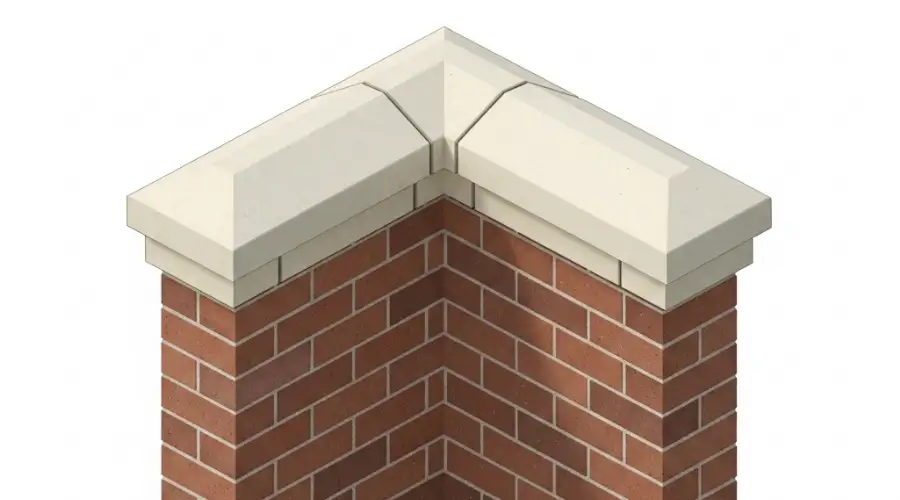
While copping essentially means capping, it is different, as it was designed specifically to cover the top of walls, mostly exteriors. It serves to protect the wall from water and to give the finished look. Coping can be seen on garden walls, parapet walls- the small walls that extend above the roofline- and even on top of fences.
- Purpose: Just like capping, coping protects the walls from water and gives the wall a neat, finished look.
- Materials: Coping can be made from many available materials, such as brick, stone, or concrete. Certain types of coping also have a sloped or rounded top to facilitate the easy runoff of water.
- Appearance: Coping is generally more aesthetic when compared to capping. Coping can be of different shapes-flat, round, and at times pointed. These can be of a simple design or very elaborate depending on the building style.
Key Differences Between Capping and Coping
| Differences | Capping | Coping |
| Purpose | This is done mainly to save the structure from water and weather damage. It is used on both walls and roofs. | It protects the wall from water along with concerning about finishing the top of the wall with a decorative touch. |
| Location | Can be used on both roofs and walls mainly to prevent water infiltration. | Specifically used on the tops of walls, particularly exterior walls, to protect them and improve their appearance. |
| Design and Look | Generally more functional and less decorative; it is about protection. | More decorative, with various styles available to match the building’s design. |
| Materials | Usually made of metal, stone, or concrete. | These are often made from brick, stone, or concrete but with more design options. |
Why Capping and Coping are so Important?
Capping and coping are very important in protecting structures from the water and weather elements. Without it, exposed walls and roofs would be subject to rain and snow, as well as sunlight, which may cause cracks, erosion, and other types of damage through time. They also help maintain both the structural integrity and good appearance of a building.
Capping and coping are most important in those areas that have extreme and bad weather conditions. They keep the water outside, and that is one of the things that catch long-term damage and expensive repairs. Besides, coping gives a finish to the walls for them to look appealing and not just functional.
When to Use Capping and When to Use Coping?
- Capping: For capping, one needs to protect the top of a roof or wall area from water. That is mainly useful in flat or slightly sloped surfaces where the water may collect.
- Coping: Laying copings at the top of external walls, for example, garden and parapet walls, is the best choice when one wants to protect the wall and simultaneously provide an added look to it.
How to Choose Between Capping and Coping?
Location, material, and the desired look are important considerations when people try to decide between capping and coping. If the flat surface – a roof is primarily to be protected, then capping is the perfect one. But if one is finishing the top of an exterior wall and wishes it to look nice, coping is the better option.
Another thing is your area’s weather conditions. If you are staying in an area where heavy rain or snow is frequent, then you would need something durable enough to hold everything together. Both capping and coping could be made from strong materials, but coping offers more design flexibility.
Conclusion
The difference between capping and coping is simple but important. Capping is mainly a protective cover used on the top of walls or roofs to prevent water seepage and weather damage. Coping is a protective and decorative finish used mostly on exterior wall tops such as parapets, garden walls, and boundary walls. Both improve durability, reduce moisture damage, and protect exposed surfaces. The right choice depends on location, design intent, material, climate, and maintenance needs. For long-lasting results, provide slope, overhang, sealed joints, drip grooves, and weather-resistant materials.
FAQs
- What is the difference between capping and coping?
The difference between capping and coping is that capping mainly protects walls or roofs from water and weather damage, while coping protects and finishes exterior wall tops. Coping is usually more decorative and commonly used on parapet walls, garden walls, and fences. - What does capping do in construction?
Capping protects the top of walls, roofs, or exposed structural edges from water seepage and weather damage. Brick & Bolt explains that it helps prevent deterioration, cracks, and mould development by stopping water from entering the structure. - What does coping mean in construction?
Coping means a protective and decorative covering placed on the top of an exterior wall. It is commonly used on parapet walls, garden walls, compound walls, and fences to protect the wall and give it a finished appearance. - Which materials are used for capping?
Capping is commonly made from metal, stone, or concrete. These materials are chosen because they can withstand rain, sunlight, and other weather conditions. The right material depends on location, budget, durability, and desired finish. - Which materials are used for coping?
Coping is commonly made from brick, stone, or concrete. It may be flat, rounded, sloped, pointed, or decorative. Brick & Bolt notes that coping has more design options and can match the building’s style. - When should capping be used?
Capping should be used when the top of a roof, wall, parapet, or exposed surface needs protection from water. It is especially useful on flat or slightly sloped surfaces where water may collect and seep into the structure. - When should coping be used?
Coping should be used on exterior walls where both protection and appearance matter. It is ideal for garden walls, parapet walls, compound walls, terrace walls, and fences because it protects the wall and gives it a neat top finish. - Is coping only decorative?
No, coping is not only decorative. It also protects exterior walls from water entry, weather damage, cracks, and staining. Its advantage is that it combines wall protection with a finished architectural appearance.
 prasanthkumar
  wordpress-prod