


The difference between filling and backfilling is mainly based on purpose, location, timing, and compaction needs. Filling is done to raise low ground, level a site, or prepare a stable construction surface. Backfilling is done after excavation to refill soil around foundations, trenches, plinths, or buried services. Both processes use soil, sand, gravel, crushed stone, or other approved materials, but poor compaction can cause settlement, cracks, drainage failure, or structural issues. This guide explains filling, backfilling, key differences, materials, types, advantages, risks, and best site practices. Brick & Bolt explains that both processes are important but differ in purpose, application, material use, and timing.
Quick Summary
The difference between filling and backfilling is that filling adds material to low areas to level or raise the ground before construction, while backfilling refills excavated areas around foundations, trenches, pipelines, or plinths after construction work. Filling prepares the site; backfilling restores support, improves stability, and helps distribute loads around completed structural or service elements.
What is Filling in Construction?
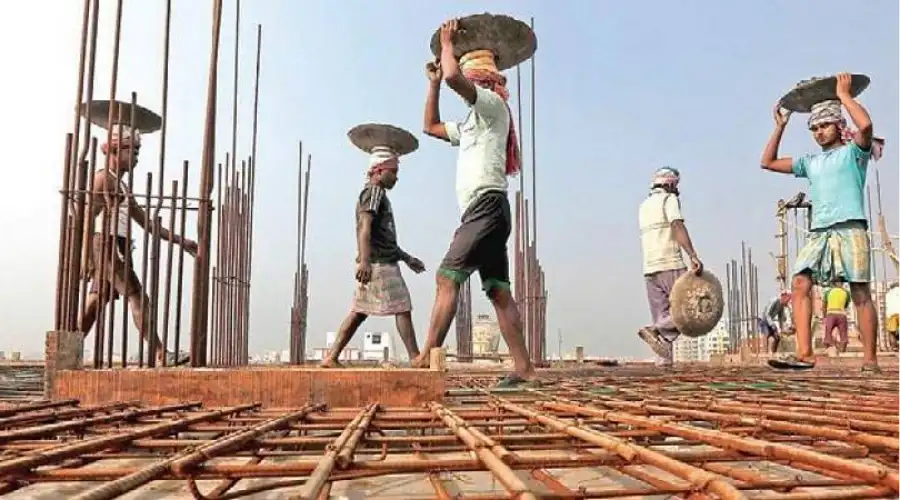
Filling is the process of adding new materials to an excavation or low area to level the ground surface. It plays a major role in site preparation for construction, ensuring a stable and level base.
What is Backfilling in Construction?
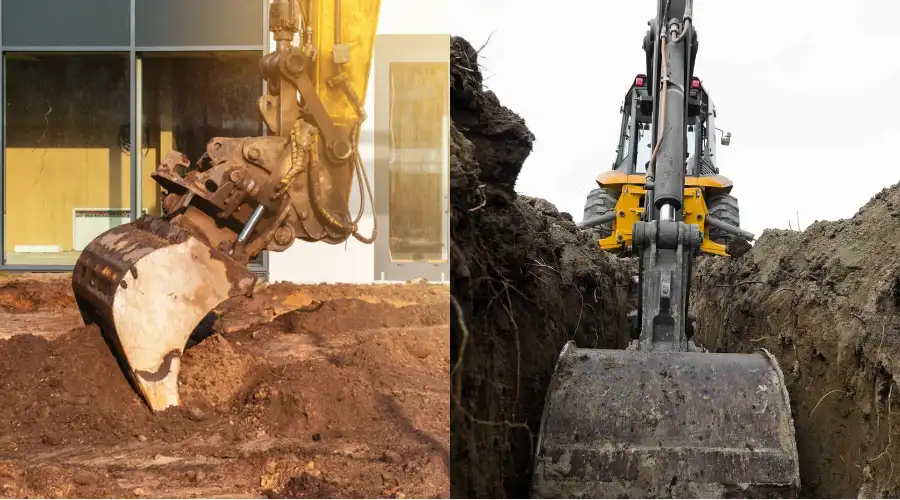
Backfilling is the process of refilling the soil (or earth) in the excavated areas around the foundation. The backfilling is done in layers and compacted to achieve a high soil density, which is suitable for supporting the foundation in terms of stability and strength and distributing the loads uniformly.
Key Differences Between Filling and Backfilling
Purpose
| Filling | Backfilling |
| The main purpose of filling is to fill the low areas at the construction site and grade them to create a flat and stable surface suitable for construction.It is also used to fill the external materials into the trenches and holes near the foundations and trenches of the building.The filling throughout the construction phase to stabilise the low levels. | The main purpose of backfill is to refill the foundation’s excavated areas to reinstate the building’s stability and structural integrity.It also provides effective drainage and prevents the foundation from potential water damage.The backfilling is done at the end of the construction project to fill the void areas around the structure. |
Application
| Filling | Backfilling |
| They are widely used for projects that need levelled surfaces for construction.It is used for the construction of smooth, flat and solid roadbeds.It can be used in canal buildings to regulate the water channel.The filling can also elevate buildings constructed below road or water levels to ensure safety and stability. | Backfills are used to refill the excavated areas of the foundation to reinstate stability and strength.They can also be used to fill trenches and plinth areas.Backfilling provides effective drainage and holds pipelines in position to prevent water damage. |
Materials Used
| Filling | Backfilling |
| Soil is the most preferred filling material for low-ground surfaces. Clay soil, sand soil, and gravel are different types of sand used as filling material.Other than soil, aggregates such as crushed stones, gravel and recycled concrete are used. | Soil excavated from the construction site is the primary backfilling material used. However, external sands such as sand, clay and loamy soils are used for backfilling.Other than soil, sand, gravel, crushed stones and fly ash are used for backfilling. |
Types of Filling
There are three types of filling processes in construction: conventional compacted fill, hydraulic fill, and uncontrolled fill.
- Conventional compacted fill is filling the soil in layers and compacting them at a specified thickness (similar to backfilling).
- Hydraulic fill is the process of depositing the sand through pipelines and compacting using excess water.
- Uncontrolled fill is the process of filling the materials without adequate compaction.
Types of Backfilling
There are three types of backfilling processes in construction: compacting, water jetting, and dumping.
- Compacting is backfilling the soil layer by layer and compacting using vibratory rollers and rammers.
- Water jetting is backfilling the materials using excess water under pressure.
- Dumping is the process of dumping the soil directly into the excavation in large volumes using trucks and conveyors.
Advantages & Disadvantages of Filling
Advantages
- It creates a smooth and flat surface and prepares the ground for construction.
- Improves drainage in the site, preventing the structure from flooding and other damages.
- Prevents erosion around the foundations.
- It helps in improving the durability of the structure.
- It helps create berms and roadfills and protects the site from traffic & erosion.
Disadvantages
- Fills that are not properly compacted can cause uneven surfaces on the site, which could lead to structural issues.
- Filling and levelling require skilled labourers and expensive equipment.
- If a large portion of the soil is cut for filling, it could lead to erosion.
- Improper cutting, filling and compaction processes could increase the risk of landslides.
Advantages & Disadvantages of Backfilling
Advantages
- It provides stability and improves the structural integrity of the structure.
- It supports the foundation by uniformly distributing the loads.
- It helps promote better drainage and prevents the foundation from potential water damage.
- The backfill is cost-efficient and does not require skilled labourers.
Disadvantages
- Improper backfilling could lead to structural damage and washing of sands.
- It can be time-consuming.
- Poor compaction methods could lead to poor load distribution and collapse.
- Excess water in the excavated area could wash away the backfill materials.
Conclusion
The difference between filling and backfilling is simple but important. Filling is used to raise, level, or prepare ground before construction, while backfilling refills excavated areas around foundations, trenches, plinths, pipes, and structural elements after work is complete. Both processes affect stability, drainage, settlement, and long-term performance. The right material, proper layer thickness, moisture control, compaction, and supervision are essential. Poor filling or backfilling can lead to cracks, uneven settlement, water damage, pipe movement, and structural distress, so these activities should be treated as critical site work.
FAQs
- What is the difference between filling and backfilling?
The difference between filling and backfilling is that filling adds material to low or uneven ground to create a level surface, while backfilling refills excavated areas after foundation, trench, plinth, or pipeline work. Filling prepares the site; backfilling restores support around completed work. - What is filling in construction?
Filling in construction is the process of adding soil, sand, gravel, crushed stone, or approved material to low areas to raise or level the ground. It is commonly used for site preparation, roadbeds, embankments, plinth areas, and low-lying plots. - What is backfilling in construction?
Backfilling in construction is the process of refilling excavated areas around foundations, trenches, pipelines, retaining walls, and plinths. It is placed in layers and compacted to restore support, improve stability, protect buried services, and reduce settlement risk. - Which materials are used for filling?
Common filling materials include approved soil, sand, gravel, crushed stone, aggregates, recycled concrete, and selected earth fill. The material should be free from organic matter, roots, waste, and highly compressible soil. The final choice depends on site level, load, drainage, and compaction requirements. - Which materials are used for backfilling?
Common backfilling materials include excavated soil, sand, gravel, crushed stone, granular backfill, loamy soil, clay where suitable, and fly ash in selected applications. Around foundations and pipes, the material should be compatible with drainage, support, and compaction needs. - Why is compaction important in filling and backfilling?
Compaction is important because it increases soil density, reduces voids, improves load distribution, and lowers settlement risk. Without proper compaction, filling can sink and backfilling can cause foundation movement, pipe displacement, poor drainage, or surface collapse. - What are the types of filling?
The main types of filling are conventional compacted fill, hydraulic fill, and uncontrolled fill. Conventional compacted fill is placed in layers and compacted. Hydraulic fill is deposited using water through pipelines. Uncontrolled fill is placed without adequate compaction and is risky below structures. - What are the types of backfilling?
The main types of backfilling are compacting, water jetting, and dumping. Compacting places soil layer by layer using rammers or rollers. Water jetting uses pressurised water in selected cases. Dumping places soil in bulk but should be followed by proper compaction where stability is needed.
 prasanthkumar
  wordpress-prod