


Low cost farm house design means creating a simple, functional, nature-connected home with smart planning, compact layouts, and budget-friendly materials. A farmhouse does not need to be oversized or expensive to feel comfortable, calm, and useful. Cost can be controlled through smaller built-up area, recycled materials, local finishes, natural light, multifunctional rooms, and practical construction choices. This guide explains low-cost farmhouse types, material options, layout ideas, benefits, planning tips, mistakes to avoid, and ways to balance comfort with budget. Brick & Bolt describes a farmhouse as a simple functional residence connected with nature and notes that careful planning can make it cost-effective.
Quick Summary
A low cost farm house design focuses on compact planning, simple structure, local or reclaimed materials, natural ventilation, large windows, multipurpose rooms, built-in storage, and low-maintenance finishes. Small, rustic, modern, and ingenious low-budget farmhouse styles can all reduce cost when the layout is efficient and unnecessary decorative work is avoided.
Types of Low-cost Farm House Designs
Different types of farmhouse design can fit into your budget. Some options are listed below:
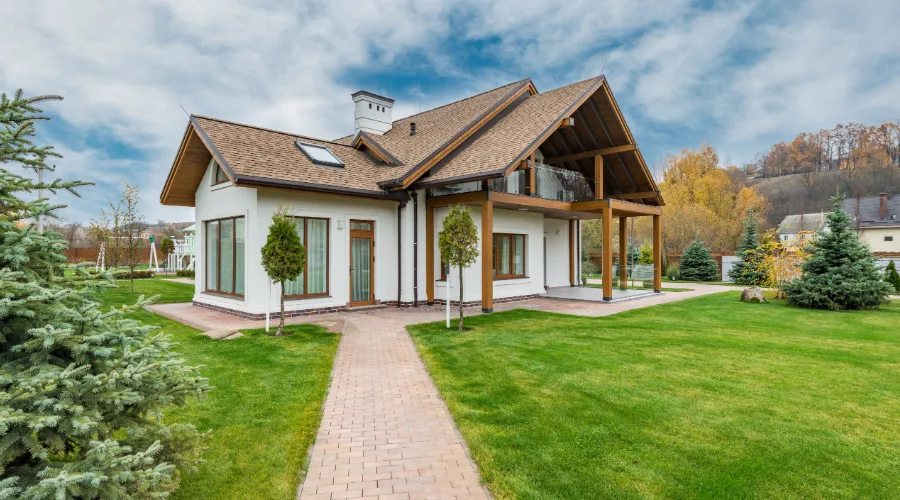
Modern Farmhouse Design
The modern farmhouse is a mix of traditional with a modern touch to it. Unlike traditional farmhouses in the countryside, a modern farmhouse design has neutral or woody colours. The modern design contains wooden decorations and some rustic fixtures with sharp lines. This can be customised depending on your vision.
The square feet of a modern farmhouse start from a small area of 1,500 to a larger space of 3,500 square feet.
Small Farmhouse Design
A small farmhouse design has a natural essence that has a small footprint. They typically range from 1,000 to 2,500 square feet, creating a cosy yet functional atmosphere. Bunk beds, a convertible dining area into the living room, large windows, and wood for accent walls are some of the aesthetic designs for farmhouses.
Rustic Farmhouse Design
A rustic farmhouse design is more oriented towards the country’s charm. They have wear, age, and connect to simpler times. A smaller rustic farmhouse starts at 1,000 square feet, and the larger farmhouse will start at 4,000 square feet.
These houses have reclaimed wood, emphasising the raw beauty of the bricks. Natural stones in countertops, vintage knobs, and warm colours are the highlights of rustic farmhouse design.
Ingenious Low-Budget Farmhouse Design
An ingenious farmhouse is an unusual design that uses full space, improves functionality, and includes DIYs as its key essence to create magic in the house. A small-budget ingenious farmhouse starts with 800 square feet and can go up to 2,400 square feet.
For multifunctionality, an ingenious low-budget house design can include folding furniture, design rooms with multi purposes, incorporate built-in storage, large windows, and incorporate rainwater harvesting systems.
Choose Cost-effective Building Materials
Replacing certain building materials with other materials can help you achieve your low-budget farmhouse dream.
Recycled or Reclaimed Materials
Getting products of wood, bricks, and fixtures from the demolition site or other marketplaces can help you to reduce the cost. Additionally, these materials can quite enhance the front look of a farmhouse.
Choose Alternatives Instead of Traditional Materials
Look for alternative materials that give the same functionality as traditional ones. A typical example could be choosing metal roofing instead of shingles. They can reduce the cost without affecting the aesthetics of the house.
Make Use of Eco-Friendly Options
Bring on the natural essence of nature instead of artificial ones. For instance, installing big windows can bring in natural sunlight and air and making an Eco-Friendly home, helping you to save on artificial lights
You can also consider using DIY from bamboo or cork to make your farm home a little more creative. This reduces your utility bills and paves the way for a sustainable environment.
Benefits of Building a Low-Cost Farmhouse
A low-cost farmhouse design benefits are listed below:
Financial Independence
Using budget-friendly materials for your farmhouse will help you reduce the footprints and contribute to sustainability. Additionally, you still have money after building the house. A smaller farmhouse gives you a space for other ideas and requires less energy, low maintenance, and construction materials.
Sustainability
Incorporating reclaimed materials and utilising discarded items will lead to greater sustainability. Moreover, they consume less energy and embrace the natural environment.
Creativity
Low-cost farmhouses allow you to indulge in DIY projects. They give you the freedom of personalisation and create your unique style.
Comfort and Connection
Low-cost farmhouses are built on compact spaces that help you connect with your loved ones. They need less time for cleaning, and one can enjoy their time wisely.
A Diversion from Ordinary Experience
Investing in a low-budget farmhouse will help you get a solid foundation for your plans. Additionally, you can spend your money on travelling and experiencing other things in life.
Conclusion
Low cost farm house design works best when simplicity, comfort, durability, and nature are planned together. A compact layout, open living space, verandah, large shaded windows, reclaimed materials, metal roofing, built-in storage, and eco-friendly features can reduce cost without making the home feel incomplete. The main goal is to spend wisely on structure, waterproofing, ventilation, services, and durable finishes while avoiding oversized rooms and decorative excess. With careful planning and professional execution, a budget farmhouse can be functional, peaceful, and long-lasting.
FAQs
- What is low cost farm house design?
Low cost farm house design is a budget-friendly farmhouse plan that uses compact layouts, simple structure, local materials, reclaimed elements, natural ventilation, and practical finishes. It focuses on comfort, nature connection, and function while reducing unnecessary construction and maintenance costs. - What is the best size for a low-cost farmhouse?
The best size depends on use and budget, but a compact farmhouse can start around 800 to 1,500 sq ft for basic needs. Brick & Bolt notes that ingenious low-budget farmhouse designs may start around 800 sq ft, while small farmhouse designs can range from about 1,000 to 2,500 sq ft. - Which materials are best for a budget farmhouse?
Good budget farmhouse materials include reclaimed wood, reused bricks, local stone, exposed brick, cement flooring, metal roofing, bamboo, cork, and simple fixtures. Brick & Bolt recommends reclaimed materials, alternative materials, and eco-friendly options to reduce farmhouse construction cost. - How can I reduce farmhouse construction cost?
You can reduce farmhouse construction cost by choosing a compact layout, simple roof, standard openings, local materials, reclaimed fixtures, open planning, grouped plumbing, and low-maintenance finishes. Avoid complex elevations, oversized rooms, frequent design changes, and unnecessary premium materials. - Is a small farmhouse practical for family use?
Yes, a small farmhouse can be practical if the layout is efficient. Use open living and dining areas, multipurpose rooms, built-in storage, bunk beds, foldable furniture, and a shaded verandah. These features help compact homes feel comfortable without increasing built-up area. - What style is best for a low-cost farmhouse?
Small, rustic, and ingenious low-budget farmhouse styles are often best for cost control. Modern farmhouse design can also be affordable if the form is simple and finishes are controlled. Rustic styles work well with reclaimed wood, exposed brick, local stone, and warm colours. - Should a low-cost farmhouse include rainwater harvesting?
Yes, rainwater harvesting is useful for a farmhouse, especially in rural or semi-rural areas. Brick & Bolt mentions rainwater harvesting systems as part of ingenious low-budget farmhouse design. It can support garden use, reduce water dependence, and improve sustainability when designed correctly. - What mistakes should I avoid in low cost farm house design?
Avoid oversized rooms, complex roofs, poor drainage, weak waterproofing, unsuitable reclaimed materials, poor ventilation, and decorative spending that reduces structural quality. Also avoid copying luxury farmhouse designs without adapting them to budget, climate, plot size, and maintenance needs.
 wordpress-prod