

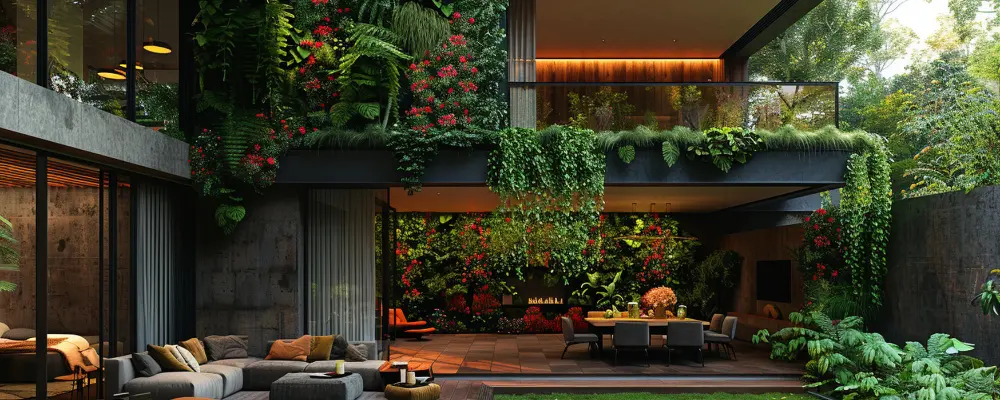
Vastu for gardens focuses on arranging outdoor spaces according to traditional Vastu principles to create a balanced and harmonious environment around a home. Garden placement, plant selection, pathways, water features, and open spaces are considered important elements in Vastu-based garden planning. A well-designed garden can improve the appearance of a property while creating a comfortable outdoor area for relaxation. This guide explains garden directions, suitable plants, layout tips, and important Vastu guidelines for homeowners planning a garden.
Quick Answer
Vastu for gardens suggests placing plants, trees, water elements, and pathways in suitable directions to maintain balance in outdoor spaces. North and east areas are generally preferred for open gardens, while heavy trees and structures are usually recommended toward the south and west sides.
Vastu Tips for Garden Design and Layout
Ideal Garden Location According to Vastu
Vastu Shastra states that each section of your home must resemble each of the five elements. The southwest section of your house represents earth, the southeast represents fire, the northeast accounts for water, the northwest represents air and the centre represents space. If you have a garden in the southeast or in the southwest, it’s likely to cause tension.
If you have a garden in the front of your home, a massive tree must not block the entrance. You can plant a tree along the garden’s wall. Peepal, mango, neem and banana are the most preferred trees from Vastu point of view. Besides being known for their fragrance, these trees bring positive vibes to your space.
Best Plants Direction as per Vastu
Plant small shrubs in the north and east sections of the garden. Ensure to keep the northeast section open and free. Plant tall trees in the south, west and southwest sections of your garden. Maintain a sufficient distance between your main house and the trees, and ensure that their shadow does not fall on the building between 9 am and 3pm. Never plant tall and large trees like peepal close to the house, as their roots can damage the foundation of your house. Never plant trees that attract insects, worms, honeybees and serpents in the garden, as they bring bad luck.
Selecting Vastu Shastra Plants and Trees
One of the most common Vastu plants in every Indian house is the Tulsi, which has a positive influence on your house. Plant a Tulsi plant in the north-eastern, northern and eastern sections of your garden. Avoid thorny plants like cacti, as they represent negative energy. Never place flower pots on the compound wall. Instead, place them on the ground in the north, east or northeast direction.
Vastu for Pathways and Layout
Ensure that your garden paths have soft curves and not straight ones. It encourages smooth energy flow. If possible, make pathways from natural materials such as stone or gravel instead of manufactured materials.
Water Features in the Garden
Water is a symbol of prosperity in Vastu Shastra. A water feature towards the middle of the garden will bring abundance. The water must always be clean and flowing for positive energy to flow. If you are looking to create a waterfall, place it in the east or north direction.
Never place your waterfall in the northeast corner of your garden, as a waterfall in the wrong Vastu direction will have a negative effect on mental peace. If you want a swimming pool, it must be in the north or northeast direction. You can also include a mini pond with lotuses, as it brings fortune.
Garden Furniture and Seating Arrangement
Vastu Shastra suggests including furniture made from natural materials, like wood and stone, in your garden. Place the furniture in the north or east direction and avoid furniture with sharp edges and corners, as these create negative energy. Also, do not overcrowd your garden with too much furniture. Doing so will disrupt the flow of energy. Place your seating areas to receive positive morning sunlight and energy, such as the east or north zone of the garden. Avoid placing seating directly under tall trees, as this blocks the flow of positive energy.
Colour Harmony in Your Garden
Your garden must have a balance of colors. The green colour symbolises growth and renewal, while the bright flowers symbolises life and energy. Ensure to place white flowers or structures in the northwest, as it uplifts energy.
Fencing and Décor
The hedges or fences in your garden clearly define the boundaries that channelise energy inwards. Keep your east and north boundaries lower than your west and south ones. You can place a Buddha statue in the northeast for promoting peace and wind chimes in the northwest for improving positive vibrations.
Swing in Your Garden as per Vastu
If your garden has a lawn, it must be facing the east or the north. If you are a swing lover, you can also place a swing in the north-south axis in the garden. This can ensure unobstructed views and opportunities.
Additional Things to Follow in Your Garden
Welcome the Chirps
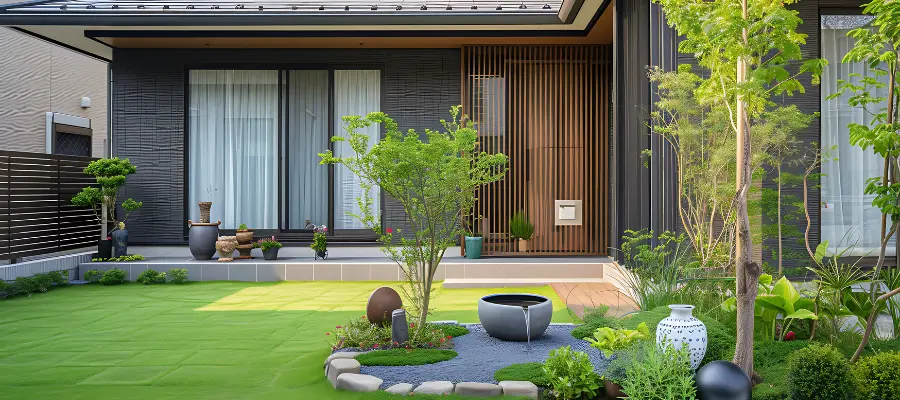
Place a birdfeeder or birdbath in the north or east zones of your garden. It’s an excellent method to attract a wide range of bird species. Besides being pleasant, their presence is auspicious according to Vastu principles. These vibrant birds entering your garden encourage flow of positive energy, adding a sense of calmness and harmony in your garden. Watching them flit between branches, enjoying a refreshing bath and feasting on the seeds from the feeder brings life and joy to the space. Birds perform an essential ecological role in seed dissemination and pest control. Therefore, besides creating a lively ambience, you maintain a healthy garden ecosystem by inviting the feathered visitors.
Welcome the Northeast Corner
The northeast corner or Ishanya stands as the centre of divine blessing in Vastu Shastra. It’s the most auspicious section of your garden that governs growth, good fortune and prosperity. Placing a water feature in this direction helps in harnessing positive energy and attracting wealth. Placing a bubbling birdbath is great, as the trickling sound of the water offers relaxation and represents the flow of abundance.
Furthermore, water denotes cleanliness and helps in removing negativity, allowing positive energy to flow in your garden. When you place a water feature in this direction, you create a powerful focal point, activating the good energy in the zone. You experience a sense of calm and well-being, attracting success.
South is Your Supportive Zone
The south of your garden ensures positive energy flow. Unlike other directions, since the sun’s position reaches the optimum height here, the south is naturally prevailing for plant life. You can place tall plants and climbing vines in this zone. Doing so balances the powerful energy and prevents it from spreading outwards. This serves as a supportive barrier, much like your loyal guardians encircling your green haven.
When you place your Vastu trees at home in this direction, it forms a natural wall, softly channelising positive energy around the yard and nourishing your plants. Therefore, when it comes to the south zone, think about placing tall supporting trees. Ensure to construct a thriving green barrier and welcome positive energy into your garden.
Conclusion
Vastu for gardens provides traditional guidelines for arranging plants, trees, water elements, and outdoor spaces in a balanced way. Direction, plant placement, openness, and garden maintenance are commonly considered important factors in Vastu-based garden planning. However, practical aspects such as climate, soil conditions, available space, and maintenance needs should also guide decisions. A thoughtfully designed garden can improve the beauty, comfort, and usability of a home’s outdoor area while creating a pleasant natural environment.
FAQs
- What is Vastu for gardens?
Vastu for gardens refers to traditional guidelines for designing outdoor spaces by considering directions, plant placement, water elements, and open areas. It aims to create a balanced and harmonious garden environment around a home.
- Which direction is best for a garden as per Vastu?
North and east directions are generally considered suitable for garden spaces in Vastu planning. These areas are often preferred for lighter plants, open spaces, and gardens that receive good natural sunlight.
- Which plants are good for a Vastu-compliant garden?
Plants such as Tulsi, jasmine, rose, and other flowering plants are commonly preferred in Vastu-based gardens. Plant selection should also consider climate, soil conditions, and maintenance requirements.
- Where should large trees be planted according to Vastu?
Large trees are generally suggested toward the south, west, or southwest areas of a garden. They should be planted at a suitable distance from the house to avoid practical issues related to roots and maintenance.
- Is a water fountain good for a garden as per Vastu?
Yes, water features such as fountains are often included in Vastu garden designs. Traditional guidelines commonly suggest areas like the north, northeast, or east, while practical drainage and maintenance should also be considered.
- Can I design a garden in a small space according to Vastu?
Yes, a small garden can also follow Vastu principles. Compact plants, vertical gardens, planters, and simple layouts can help create a balanced outdoor space without requiring a large area.
- Should thorny plants be avoided in a Vastu garden?
Some traditional Vastu practices suggest avoiding excessive thorny plants near living areas. However, plant selection should also consider safety, local climate, and the overall garden design.
- Does Vastu for gardens replace professional landscaping?
No, Vastu for gardens does not replace professional landscaping. It can be considered along with practical factors such as soil, climate, drainage, space planning, and regular garden maintenance.
 wordpress-prod