


A Fire Safety Certificate in India confirms that a building has met applicable fire-prevention and life-safety requirements under the relevant authority. Depending on the building’s use, height, size, occupancy and location, a fire department approval or No Objection Certificate (NOC) may be required before occupation or operation.
Fire safety is not limited to installing extinguishers. Building design, exits, staircases, access for emergency vehicles, fire detection, firefighting systems and evacuation arrangements can all form part of the assessment. Since requirements differ between states and building categories, applicants should verify the rules applicable to their specific project. This guide explains the certificate, approval process, documents, inspections and common compliance issues.
Quick Answer
A Fire Safety Certificate in India is issued or approved by the competent fire authority after assessing whether a building meets applicable fire-safety requirements. Depending on the project, the process can involve approved building plans, fire-safety drawings, equipment, emergency exits, inspections and compliance documentation. Requirements vary by state, local authority, building type, height and occupancy.
Fire Safety Certificate: What Is It?
‘The National Building Code of India 2016, Part 4: Fire and Life Safety’ mandates every structure to have fire safety certificates, often termed as Fire NOCs (No Objection Certificates). The body issues the certificate after conducting a fire safety audit and requires renewal after a certain time. A designated officer thoroughly verifies a property and issues the certificate in the name of the property owner.
Besides safety, the Fire Safety Certificate (FSC) plays a vital role in the legal and administrative processes. It stands a mandatory requirement for obtaining various approvals and licences for your building, including occupancy certificates and insurance policies. In the absence of the certificate, you might experience legal penalties, fines and even closure of your premises.
Therefore, you can say that the FSC is more than a regulatory formality. A critical documentation ensures your occupants’ safety and well-being. When you adhere to the fire safety norms and secure the certificate, you mitigate the risks; comply with the law, thereby offering a safe place for the residents, visitors and employees.
Are you wondering what does a fire compliance certificate include? It includes all the essential information related to the property. After receiving the certificate, the property owner can check the following details.
- Details of the owner
- Location of the property
- Details of the occupancy of the property
- Fire safety certificate issuing authority
- Confirmation about the inspection and compliance
- Date of issue of the certificate
- Validity of the certificate
- Conditions regarding the validity of the fire safety certificate
- Report of the inspection conducted
- Signature of the inspecting officer
When to Issue a Fire Safety Certificate?
The State Fire and Emergency Services Department issues the certificate during the following cases.
Construction of new buildings: Are you constructing a residential building? Before you allow the occupants to come and stay in your building or use the building for some other purposes, you must obtain the certificate. The certificate ensures that you adhere to the stated fire safety protocols.
Business operations: If you have a commercial or industrial establishment, you need to obtain the certificate for it to run legally. The document helps you to obtain licences and insurance as and when required.
For renewals: You can obtain the certificate from the fire safety department for a limited time. Once the validity is over, you, as the owner of the property must apply for a renewal.
Fire Safety Norms in India
The National Building Code or NBC serves as the primary document. The body establishes the standards for fire and life safety in buildings. It regularly updates the standards to integrate new technologies, materials and safety practices. NBC comprises a wide range of safety practices, including the following:
Fire Prevention Measures: It states the use of non-combustible materials, proper electrical installations and maintaining pathways for emergency exits.
Fire Protection Systems: It includes installing various fire protecting systems, such as sprinklers, fire alarms and fire extinguishers. The body specifies the types and quantities of the systems required based on the size, type, occupancy and risk assessment of your building.
Firefighting Access: NBC mandates that your building have adequate access routes for firefighting personnel and vehicles. It encompasses ensuring that your building’s design facilitates easy entry for firefighters during an emergency.
Evacuation Planning: NBC states that your building has marked evacuation routes with an adequate number of exits. It facilitates a swift and organized evacuation in the event of a fire.
How to Get a Fire Safety Certificate?
Do you have a residential, industrial or commercial building in Bengaluru or other cities in Karnataka? Then you need to obtain your Fire NOC Karnataka. Acquiring a FSC in India requires a systematic approach. However, the process might have slight variations depending on the state or municipal jurisdiction. Ensure to follow the following steps to obtain a FSC.
Step:1 Submitting the Application
First, you are required to submit an application to the local fire department. Do not forget to mention the details of your building plans in details. It includes the layout of the fire safety systems, evacuation routes and provisions for fire fighting access. If you are living in Karnataka or have a building in any city of Karnataka, you must submit your application to Karnataka State Fire and Emergency Services.
Step: 2 Inspection of Your Building
After your local fire department receives the application, they will conduct a comprehensive inspection of your building’s fire safety system. It entails a physical inspection to verify adherence to NBC and other local regulations.
Step: 3 Addressing any Deficiencies
In case the professionals identify any deficiency during their assessment, you, as a building owner or developer must rectify the issues. The fire department mighty conduct subsequent inspections, confirming that you implemented the necessary corrections.
Step 4: Issuance of Certificate
Once the department confirms that your building complies with the fire safety standards, you receive the Fire Clearance Certificate, which is valid for one year. Ensure to renew the certificate thereafter.
Documents Required for a Fire Safety Certificate
Enlisted are some of the essential documents you need to produce your local fire department to obtain a FSC.
Building Plan: It includes your approved building plans along with the layout of the safety system.
Ownership Documents: The proof containing the ownership or lease agreement of the building.
Completion Certificate: A certificate indicating the completion of your building’s construction.
Details of Fire Safety Equipment: Offer specifications and other details of your building’s fire safety equipment.
NOC from Your Local Authorities: Produce the no objection certificate obtained from your local municipal authorities.
Validity and Renewal of Fire Certificate
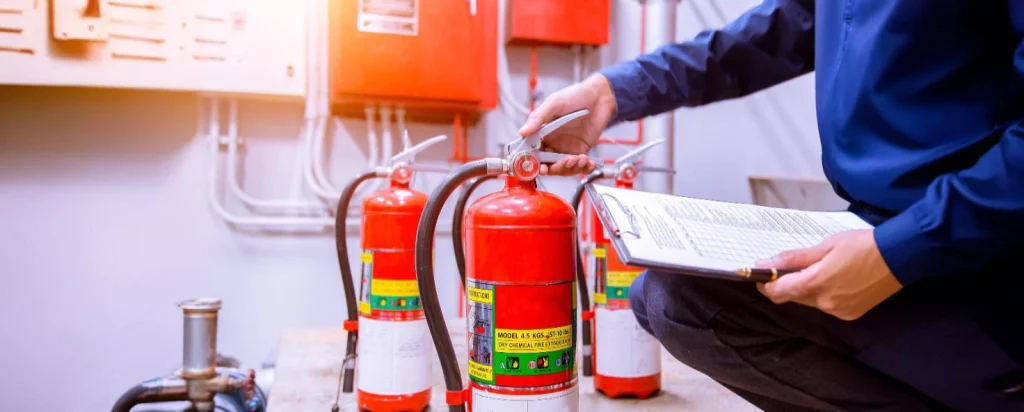
Usually, your FSC is valid between one and five years depending on numerous factors. It includes the type of the building, its usage and local fire safety regulations. The local fire department determines the validity period when issuing the certificate. However, as a building owner or developer, you must ensure that your building complies with the latest fire safety norms.
Even during the validity period, your building must have all the essential fire safety measures approved during the issuance of the certificate. The fire safety measures and your building conditions change over time. Therefore, during the renewal process, you must ensure that everything is functioning properly.
Although the renewal process is similar to the application process, there might be some additional steps depending on the new changes.
- The first step involves submitting an application to your local fire department. The application must include all the updated documents, including the revised building plans if the structure experienced a modification and a current assessment of the fire safety system.
- After the submission, the fire department will schedule a new inspection. The officials reassess the building ensuring that it continues to meet all the essential safety standards. It involves checking the functionality and conditions of the fire alarms, fire extinguishers, smoke detectors, emergency exits and sprinkler systems.
- The inspection stands as an opportunity to address any new regulations and safety requirements introduced after the issuance of the first certificate.
- If your building passes the inspection meeting all the updated standards, the department issues the FSC for another term.
As a building owner, you must be proactive about the renewal process. Failing to renew the Fire Safety Certificate before the expiration might result in legal penalties, fines and even temporary closure of the building. Moreover, a lapse in the validity often contemplates matters, including insurance claims. When you stay ahead of the renewal process and maintain up-to-date fire safety systems, building owners ensure the ongoing safety of their occupants and stay in compliance with the legal system.
Importance of Fire Safety Certificate for Buildings in India
Ensures Safety
When you have a Fire Safety Certificate, you ensure that your building has a well-equipped firefighting system that can handle any kind of fire emergency. It indicates that your building has a working fire alarm, fire extinguishers, smoke detectors, clearly marked emergency exits and a sprinkler system. The measures stand as an essential component, helping in early detection and suppression of fires and preventing the occurrence of severe events.
Legal Compliance
The Indian government mandates that any buildings, including residential, industrial and commercial must obtain a Fire Safety Certificate. The regulation stands as a broader effort to ensure public safety and minimizes the risk of fire-related disasters. However, if you fail to obtain an FSC from the department, you might face severe consequences. In some cases, non-compliance might result in forced closure of the building until you ensure the safety measures and obtain the certificate.
Property Value
When you have a Fire Safety Certificate for your building people perceive it as a safer and reliable investment. Since the potential buyers and tenants choose a property, that meets all safety and legal standards, the perception significantly enhances your property’s market value. Besides, in the real estate market, people consider a valid FSC as a selling point, highlighting your building’s adherence to regulatory norms and readiness to protect the occupants in case of an emergency. Besides offering you peace of mind, the increased value offers you higher rental income, faster sales and a favourable return on investment.
Insurance
The insurance companies are placing significant importance on the presence of FSC when offering coverage for buildings. Often you might require presenting a valid certificate to these companies, as it assures the insurer that your building is compliant with the safety standards and less likely to experience extensive damages in the event of a fire. Moreover, in case of a sudden fire outbreak with the presence of a valid FSAC, you can expedite the process of insurance claims. However, if you fail to produce the certificate, insurers might refuse coverage or delay claim settlements making you financially vulnerable.
Boosts Confidence among the Occupants
When your building has a fire license the occupants feel confident to stay in your building. The necessary fire safety measures reassure the occupants about how you prioritize their safety. In the event of a fire, your occupants are likely to respond calmly and effectively when they feel assured that you designed and maintained the building keeping their safety in mind.
Conclusion
A Fire Safety Certificate in India is part of the broader process of ensuring that buildings meet applicable fire-prevention and life-safety requirements. The exact approval, equipment and inspection requirements depend on the building’s use, size, height, occupancy, location and governing regulations. Fire safety should be incorporated into the design rather than treated as a final-stage formality. Owners should also maintain fire systems after approval and verify renewal or inspection requirements with the relevant authority. For a specific project, current local regulations should always take priority over generic checklists.
FAQs
- What is a Fire Safety Certificate in India?
A Fire Safety Certificate is documentation confirming compliance with specified fire-safety requirements, subject to the applicable authority and regulations. Depending on the jurisdiction, related documents may be called a Fire NOC, fire clearance or fire-safety approval. The requirements can include exits, firefighting systems, alarms, emergency access and other life-safety measures based on the building’s characteristics.
- Is a Fire NOC mandatory for every building?
No, the requirement depends on factors such as building use, height, area, occupancy and applicable local regulations. Commercial, institutional, high-rise and other specified buildings commonly face more extensive fire-safety requirements than small residential structures. The relevant fire authority should be consulted to determine whether a particular building requires a Fire NOC or another form of approval.
- How do I apply for a Fire Safety Certificate?
The process generally involves identifying applicable requirements, preparing fire-safety drawings and documents, submitting an application to the relevant authority, undergoing technical review and, where required, completing a site inspection. Any identified deficiencies must be corrected before approval is issued. The exact procedure and online application system vary between states and local authorities.
- What documents are required for a Fire NOC?
Documents can include building plans, site plans, floor plans, fire-safety layouts, details of firefighting equipment, emergency exit plans and project or ownership documents. Larger projects may require additional technical information. The exact checklist should be obtained from the relevant fire department because requirements differ according to the building type, size, location and approval stage.
- How long is a Fire Safety Certificate valid?
There is no single validity period that applies to every Fire Safety Certificate in India. The duration and renewal requirements can depend on the state, authority, building category and type of approval. Some buildings may require periodic inspection or renewal. Owners should confirm the current validity and renewal conditions with the authority responsible for the certificate.
- Is a Fire Safety Certificate required for residential buildings?
It depends on the type and characteristics of the residential building. A small independent house may have different requirements from a multi-storey apartment or high-rise building. Larger residential developments can require extensive fire-safety systems and approvals. The applicable building regulations should be checked based on height, occupancy, area and other relevant characteristics.
- What happens if a building does not have a required Fire NOC?
If a required fire approval has not been obtained, the authority may require corrective action and can take other enforcement measures permitted under applicable law. The consequences depend on the building and violation. It is preferable to identify fire-safety requirements during planning and construction rather than attempting to resolve major compliance issues after occupation.
- Is a Fire NOC the same as an Occupancy Certificate?
No. A Fire NOC or fire-safety approval concerns compliance with applicable fire and life-safety requirements, while an Occupancy Certificate generally relates to the building’s completion and eligibility for occupation under the applicable building approval system. Fire approval may be one of the documents or clearances required for certain occupancy processes, but the two documents serve different purposes.
 Sowjanya Siddanoor