


Adangal and A Register are important land records used for maintaining property and agricultural land details in several Indian states. Although both documents are related to land information, they serve different purposes and contain different types of records. Adangal mainly provides details about land usage, crops, and cultivation information, while the A Register contains basic land details maintained by revenue authorities. Understanding the difference between these records helps property buyers, owners, and investors during land verification and documentation.
Quick Answer
Adangal and A Register are not the same. Adangal is a revenue record that contains details such as land usage, cultivation, and crop information, while an A Register is a basic land record containing details like survey number, land classification, and ownership-related information maintained by revenue departments.
Adangal
An adangal is a legal document that is provided by the Village Administrative Officer (VAO). The adangal is also called village account No. 2, which is a record maintained by the VAO.
These details are maintained in the Adangal of Tamil Nadu.
The adangal has the following details in it:
- Patta lands
- Wet lands
- Dry lands
- Manavari
- Assessed Wastelands
- Poramboke Land
Purpose of an Adangal
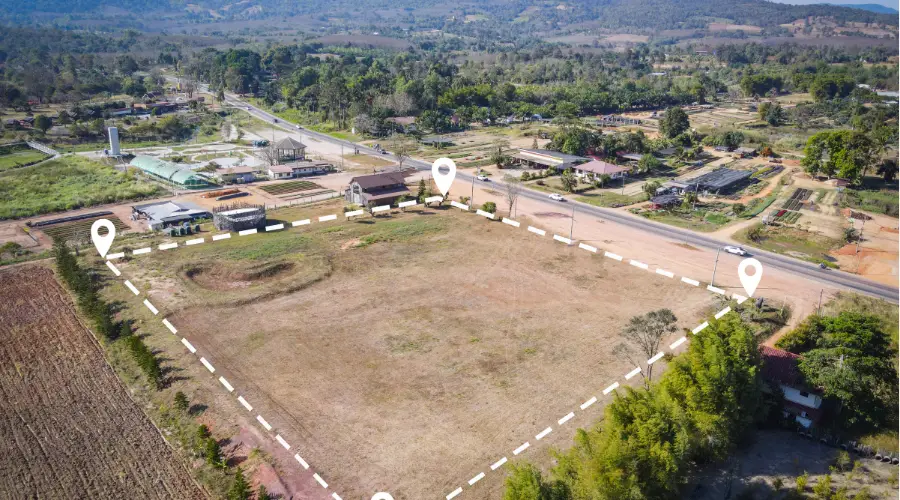
The village administrative officer keeps track of crops on the land, the number of trees in the government land, and maintains all the records on the crops every month.
This is how the adangal maintains the timeline of the ownership and usage of the property. It also indicates that the property title held by the government is valid and is not subjected to any other use.
Expanded Records in an Adangal
The adangal has a wide range of details and is explained below:
- Ownership of Land: The adangal mentions the name of the owner and you can change the name in adangal if necessary
- Extend of Land: The total area that the owner has.
- Land Type: The land type, whether it is dry, wet, or irrigated.
- Crops Grown: The type of crop that is grown on the land including the area under cultivation.
- Water Sources: The type of irrigation source used for crop cultivation. These can be canals, wells, or dams.
- Details of Tenancy: In case the land is leased out, then the address and details of the tenants are recorded
- Mutation: The change of land ownership or use of the land is mentioned in the adangal.
An adangal aerve as a comprehensive guide to the cultivation of lands.
What is the Use of Adangal?

Adangal is an important document that can help in times of crisis.
Emergency Harvesting
In case of sudden floods or drought, knowing the type of crops in the field facilitates emergency harvesting . This will help to minimize further loss and safeguard food supplies.
Recovery Monitoring
After a disaster, Adangal can be used to track the agricultural lands. This helps to monitor the changes before and after the crisis, make changes to the recovery of the land, and make informed decisions on the future plans.
Farmer Compensation
If the crops fail due to natural calamities, the adangal certificate that outlines the type of cropland in the area will help farmers get compensation or insurance.
Protecting Crop from Black Marketing
An Adangal can also help safeguard crops from being sold on the black market, ensuring that farmers receive fair prices.
Register
A register is a legal document that denotes a person’s legal right over a property. A register is widely known as ‘patta.’ The patta is taken care of by the revenue department, and in the state of Tamil Nadu, the patta can be applied for and downloaded offline or online. A register is also known as Village Account No. 1.
Details in a Register Record
A patta or register will contain the below details in the form:
- Ownership of Land: It contains the names of the legal owners.
- Survey Numbers: A survey number is a unique number that is given to the piece of land.
- Land Classification: In the land classification, the details of whether the land is commercial, residential, or agricultural are mentioned in the register.
- Boundaries: The exact extension of the land with precise measurements is mentioned in the patta.
- History of Ownership: In case there are any changes in ownership over time, the historical records are maintained in the patta.
- Revenue Details: The revenue details contain the payment and land taxes.
The Use of Register in Crisis
The patta protects the owner from a lot of legal crises.
Compensation and Insurance Claims
When a landslide or earthquake occurs, the register, or patta, can be used as a legal document verifying the ownership. This document helps in verifying ownership and provides financial assistance to the deserved owner, helping in the recovery of their financial state.
Protection from Fraudulent Activity
During crises, people can take advantage of the situation and grab the property fraudulently. The patta is the document that will help the rightful owner gain his ownership back from unauthorised claims.
Loan Facilitation
A register will help with the easy credit of loans and help secure financial setbacks. Moreover, it is a legal document that will be useful in case of any problems.
Difference Between Adangal and Register
| Characteristics | Adangal (Village Account No.2) | A Register (Village Account No.1 |
| Purpose | The purpose of an adangal is to maintain a record of agricultural land and the activities associated with it. | A patta, or register is a record of the ownership of land. |
| Primary Function | It contains information on tenancy, patterns of cultivation, and crops. | It is a legal document on the history of ownership. |
| Content | The details about the crops, irrigation, lease details, and extent of cultivation are noted in the adangal. | The register contains the details of the land owner, survey number, and classification. |
| Information on Revenue | It does not include the details of revenue directly. | It includes information on taxes, and payments. |
| Maintenance Authority | The adangal is maintained by the Village Administrative Officer (VAO) or any local authority. | The patta is maintained by the revenue department or the land record office. |
| Changes in Documentation | It denotes the changes in crop cultivation and land use. | It denotes the changes in land ownership and legal boundaries. |
| Geographical Variations | They are known by different names across districts, such as ‘Pahani’ in Karnataka. | It is known as register or Patta across the country. |
| Survey Numbers | They may include the survey numbers that are linked to specific land plots. | To legally determine the land, a precise survey number is used. |
Conclusion
Adangal and A Register are important land records, but they are not the same document. Adangal mainly provides information about land usage, cultivation, and related revenue details, while an A Register contains basic information about land classification and identification. Both records can support property verification, but they should be reviewed along with ownership documents and registration records before making a property decision. Understanding the purpose of each record helps buyers and landowners handle documentation more effectively.
FAQs
- Are Adangal and A Register the same?
No, Adangal and A Register are different land records. Adangal mainly contains details about land usage, cultivation, and crops, while an A Register provides basic information such as survey details and land classification.
- What is the purpose of Adangal?
Adangal is used to maintain information about agricultural land activities. It may include details about cultivation, crops, land usage, irrigation sources, and other revenue-related information.
- What information is available in an A Register?
An A Register generally contains basic land details such as survey number, land extent, classification, assessment details, and other information maintained by revenue authorities.
- Can Adangal be used as proof of ownership?
Adangal alone may not be sufficient proof of ownership. It is a revenue record that provides land-related information, but ownership verification usually requires registered documents and other legal records.
- Why should buyers check Adangal and A Register before purchasing land?
Buyers should check these records to understand land details, classification, usage history, and revenue information. They help identify possible issues during property verification.
- Where can I get Adangal and A Register records?
These records can usually be obtained through state land record portals, revenue offices, or local government service centres. Availability depends on the state’s digital land record system.
- Do all states use the term Adangal?
No, different states use different names and formats for land records. Adangal is commonly used in some southern states, while other regions may have different terms for similar documents.
- Are revenue records enough to buy a property?
No, revenue records alone are not enough for a complete property purchase decision. Buyers should also verify title documents, registration records, and other legal documents before purchasing land.
 Sowjanya Siddanoor
  wordpress-prod