


Concrete wall vs brick wall is a common comparison when choosing materials for homes, compound walls, partitions, foundations, and commercial buildings. Concrete walls usually offer higher structural strength, faster blockwork, sound resistance, and better suitability for load-bearing or industrial use. Brick walls are preferred for aesthetics, traditional appeal, modification ease, and durable masonry when good-quality bricks and mortar are used. The right choice depends on wall purpose, budget, climate, strength requirement, finish, labour availability, and maintenance. This guide compares both options clearly so homeowners and builders can choose the better wall material. Brick & Bolt compares both materials across durability, insulation, weight, strength, and fire resistance.
Quick Summary
Concrete walls are generally better for strength, load-bearing work, foundations, retaining walls, sound control, and large-scale construction. Brick walls are better for aesthetic appeal, traditional masonry, easier modifications, exterior walls, partition walls, chimneys, and interior bearing walls. The best choice depends on structure type, budget, wall thickness, climate, labour skill, and maintenance expectations.
This article delves into the comparison of both concrete and brick walls, including their durability, insulation, weight, strength, and fire resistance. By the end, you’ll have a clearer understanding of which material can fit your needs.
Concrete Wall

A concrete wall is constructed of blocks of uniform size. Its normal size is 8 inches, although dimensions may vary according to the guidelines and requirements of the engineer. A structure made up of concrete blocks can deteriorate if not treated properly.
Concrete blocks are made by pouring a mixture of sand, cement, and coarse aggregates into the framework mold and allowing it to harden. It is best suited for load-bearing structures, transferring loads from floors to the foundation or the wall below.
Benefits of Concrete Walls
- Insulation: The concrete wall provides reasonable insulation to the buildings, which helps maintain the required indoor temperatures and reduces energy costs. However, their insulation properties can be enhanced using insulated concrete forms (ICFs).
- Budget-friendly: Concrete blocks are a cost-effective option, especially for large-scale construction projects. The cost of solid concrete blocks starts at Rs 40 to 50 per piece. The cost of a block can vary based on its thickness, finishing, and reinforcement. Based on your construction needs, choose the suitable one.
- Strength and Durability: Concrete walls are ideal for load-bearing walls and foundations. They are capable of withstanding maximum weight and pressure and are resistant to pests, fire, and weather.
- Design Flexibility: Concrete blocks can be tailored to the required architectural designs. Architects or designers can add unique shapes and custom features to their homes. They are extremely flexible and can complete the construction process without delaying production.
- Soundproof: The mass and rigidity of concrete walls effectively reduce the transmission of unwanted noise into the space.
- Eco-friendly: Using concrete blocks in the construction project reduces waste as the builders can produce an exact amount of concrete. Meanwhile, any waste can be reused or recycled for other construction work.
Brick Wall
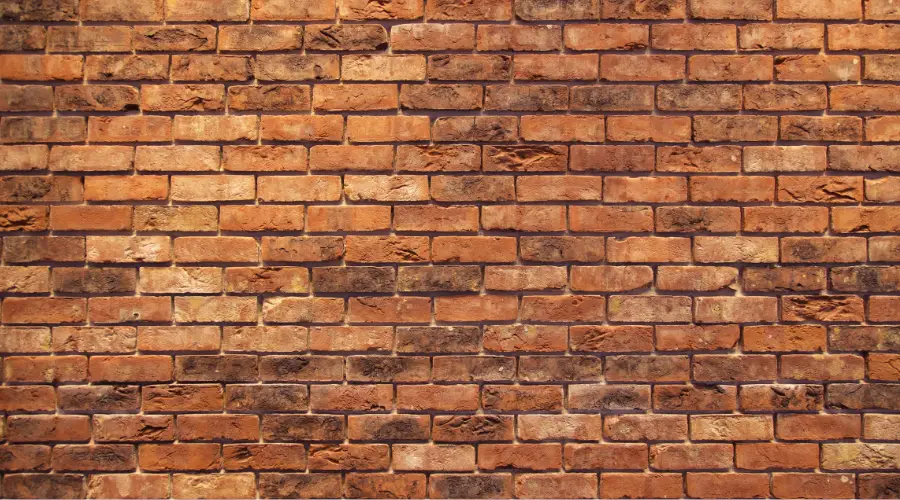
A brick wall is a vertical structure widely used for both interior and exterior purposes. The most common brick size is 215 mm x 102.5 mm x 65 mm (length x width x height).
Bricks are primarily composed of clay and other recycled materials, shaped into rectangular blocks. They come in different types, such as solid brick walls, veneer walls, and cavity walls, each containing ideal characteristics for various purposes.
Benefits of Brick Walls
- Aesthetically Appealing: Beyond their strength, brick walls offer a stunning and personalized look. They are identified in numerous styles, colors, and textures, enhancing the entire building’s appearance.
- Fire Resistance: A brick wall is an ideal option for structures in areas susceptible to fires. The type of mortar used in the brick influences the fire-resistance properties, preventing extreme heat from traveling inside.
- Strength: Bricks can support significant loads without causing any damage or cracks to the floors or foundations, making them suitable for load-bearing structures.
- Resale Value: Buildings with brick walls contribute to higher resale value, creating a positive first impression. The primary qualities associated with bricks are solidity, durability, and traditional craftsmanship, which are potentially noted by buyers.
- Durability: Bricks are a natural material that offers excellent durability to structures and reduces the risk of cracks or damages. They are highly resistant to wear and tear, promoting building longevity with minimal maintenance.
Concrete Wall vs. Brick Wall
This table includes a general comparison of significant parameters. Specific properties may be due to factors such as construction methods, brick type, and wall thickness.
| Features | Concrete Wall | Brick Wall |
| Material | Concrete blocks are composed of cement, water, and aggregates, manufactured through the molding process. | Traditionally made from clay, sometimes they include recycled materials or concrete. |
| Application | Due to their extensive strength, concrete blocks are pretty suitable for concrete retaining walls, load-bearing walls, industrial buildings, and foundations. | Bricks are versatile and used in various construction projects, including exterior walls, partition walls, chimneys, and interior bearing walls. |
| Strength | The characteristic compressive strength of concrete varies significantly, with grades categorized from M10 (10 N/mm²) to M60 (over 60 N/mm²), demonstrating that concrete generally provides superior strength compared to bricks. | The compressive strength of burnt clay bricks typically ranges from a minimum of 7.5 N/mm² for Class 7.5 to over 35 N/mm² for higher grades. |
| Cost | Concrete blocks are cost-effective, especially for large-scale construction projects. | It can be expensive, depending on the brick type, production methods, and region. |
| Ease of Construction | Concrete walls are easy to construct due to the uniform size of the blocks. | Brick walls often require skilled laborers, especially when dealing with intricate designs. |
| Modification | Concrete walls are difficult to modify, often involving demolition. | They are easy to modify, but the cost of labor increases. |
| Durability | Concrete blocks are highly durable and resistant to pests and weather. | Bricks can withstand any harsh weather conditions without causing any damage. |
Conclusion
Concrete wall vs brick wall is not about one material being better in every situation. Concrete walls are usually stronger, faster to construct, cost-effective for large projects, and suitable for foundations, retaining walls, industrial buildings, and load-bearing work. Brick walls offer attractive appearance, durability, traditional value, easier modification, and strong suitability for residential masonry and partitions. The right choice depends on wall purpose, budget, climate, finish, labour, maintenance, and structural requirements. For the safest result, compare both materials by function and consult a qualified builder or structural engineer before finalising load-bearing walls.
FAQs
- What is the main difference between concrete wall vs brick wall?
The main difference between concrete wall vs brick wall is material and performance. Concrete walls are made from cement, water, sand, and aggregates and are usually stronger for structural work. Brick walls are made with bricks and mortar and are often preferred for aesthetics and flexibility. - Which is stronger, concrete wall or brick wall?
Concrete walls are generally stronger than brick walls for heavy structural applications. Brick & Bolt notes that concrete compressive strength grades can range from M10 to M60 and above, while burnt clay bricks commonly range from Class 7.5 to higher-grade bricks above 35 N/mm². - Which is cheaper, concrete wall or brick wall?
Concrete walls are often cheaper for large-scale construction because concrete blocks are uniform, quick to install, and cost-effective. Brick wall cost depends on brick type, labour, region, mortar, finish, and transport, so local rate comparison is necessary. - Is a brick wall good for home construction?
Yes, a brick wall is good for home construction when quality bricks, correct mortar, proper bonding, curing, and waterproofing are used. It works well for exterior walls, partition walls, chimneys, interior bearing walls, and decorative exposed masonry. - Where are concrete walls used?
Concrete walls are used in foundations, retaining walls, load-bearing walls, basements, compound walls, industrial buildings, commercial structures, and large-scale projects. Brick & Bolt states that concrete walls are suitable for retaining walls, load-bearing walls, industrial buildings, and foundations. - Which wall is better for sound insulation?
A concrete wall is usually better for sound insulation because its mass and rigidity reduce sound transmission. Brick walls can also provide good sound control if they are thick, well-plastered, and built with properly filled joints. - Which wall is easier to modify later?
A brick wall is usually easier to modify later than a concrete wall. Brick & Bolt notes that concrete wall modification often involves demolition, while brick walls are easier to modify, although labour cost may increase. - How should I choose between concrete wall and brick wall?
Choose concrete walls for strength, load-bearing work, speed, sound control, and large-scale construction. Choose brick walls for aesthetics, residential masonry, easy modification, and traditional appearance. For structural walls, always confirm the choice with a qualified engineer or builder.
 Sowjanya Siddanoor