


Mangaluru tile roofing vs concrete metal is a common comparison when selecting a suitable roofing system for homes in regions with heavy rainfall and changing weather conditions. Mangaluru tiles have been used traditionally for their natural insulation and regional suitability, while concrete and metal roofs offer different benefits related to strength, maintenance, and modern construction needs. Choosing the right roofing material depends on climate, budget, design preferences, and long-term performance. This guide explains the differences between these roofing options to help homeowners make an informed decision.
Quick Answer
Mangaluru tile roofing provides natural insulation, traditional appearance, and good performance in rainy climates, while concrete and metal roofing offer different advantages such as structural strength and modern design flexibility. The best choice depends on location, maintenance preferences, and construction requirements.
What are Mangaluru Tiles?
Mangalore tiles are a special type of clay roofing tile. These clay tiles were initiated in Mangaluru; hence, they are called Mangaluru tiles. They offer better durability and charm and can withstand harsh weather conditions. Therefore, you can see this feature in the traditional house designs of Karnataka and other South Indian regions, including historical buildings, villas and village houses.
Manufacturing Process of Mangalore Tiles
- Clay Collection: The production of Mangaluru tiles in Karnataka starts with collecting yellow clay from the Netravati and Gurupura rivers. It can also be clay from other riverbeds.
- Clay Preparation: The collected clay is filtered to remove impurities.
- Moulding Process: The filtered clay is placed into a mould. Any excess clay is removed to achieve the correct shape.
- Shaping and Stamping: The mould is placed in a machine to give the tile its unique shape.
- Tile Removal and Curing: The shaped tile is removed from the mould. It is then undergoing curing in a kiln.
- Colour and Finish: The tiles naturally gain a red colour as the clay contains high iron content. Optionally, tiles may be sprayed with enamel for different colours.
- Final Heating: The enamel-coated tiles are then exposed to high temperatures in the kiln. The heat combines the enamel and clay, forming a permanent bond that keeps the colour over time.
Benefits of Using Mangaluru Tiles
- Mangalore tiles are long-lasting and can last up to 50 years and even longer if maintained well.
- The Mangaluru tiles are fire-resistant, and their design enables sufficient air circulation.
- Mangalore tiles help keep the inside of the house cool during summer and warm during winter, which reduces the need for extra cooling or heating. This makes them energy-efficient. They also act as sound insulators by blocking outside noise, helping to reduce noise pollution.
- These clay roof tiles are made of natural materials and are easily recyclable. Its manufacturing process involves minimal greenhouse gas emissions to the surrounding environment.
Cons of Using Mangaluru Tiles
- Mangaluru tiles are heavier than many modern alternatives like metal sheets, requiring a strong and well-designed support structure for safe installation.
- Compared to metal or concrete roofing, clay tiles can be more fragile and prone to breakage under heavy impact or mishandling.
- While durable, individual tiles may need replacement over time, mainly in areas prone to severe weather or accidental damage.
What are Concrete Roof Tiles?
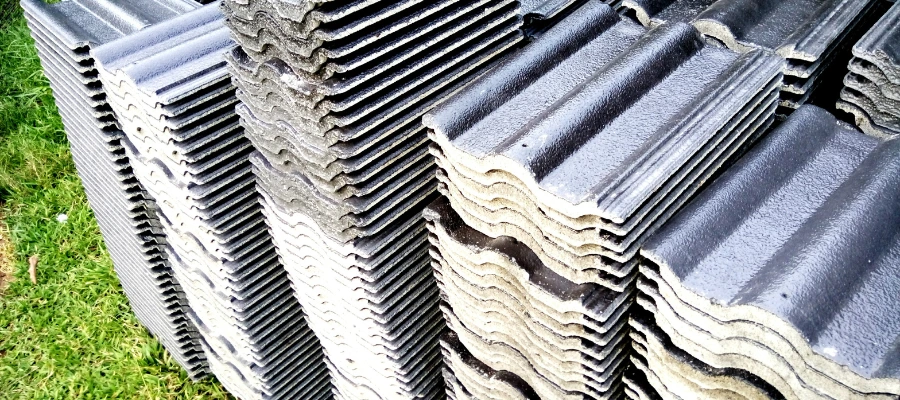
Concrete roof tiles are pre-cast roofing materials made primarily from a mixture of cement, sand, water, and pigments. They are moulded into various shapes and sizes to resemble traditional clay tiles or other roofing materials, and are widely used in both residential and commercial construction for their durability and versatility. Sloped concrete roofs are usually used in construction for high strength and aesthetic purposes. Concrete roof tiles are popular in modern homes, commercial buildings, and industrial structures.
Manufacturing Process of Concrete Roof Tiles
- The manufacturing process starts by mixing high-quality sand, cement, water, and iron oxide pigments to achieve the desired colour and consistency.
- This mixture is then pressed or moulded into tile shapes using steel moulds. The moulds are regularly cleaned and checked for quality control to prevent deformities.
- The shaped tiles are placed in racks and moved to a drying kiln, where they cure for several hours to gain initial hardness.
- After kiln drying, tiles receive a surface coating of water-based masonry sealer to protect against efflorescence and enhance durability.
- Finished tiles undergo strength and quality testing to meet industry standards, including break strength and weather resistance.
- Finally, tiles are stacked, banded onto pallets, and shipped for installation.
Major Benefits of Concrete Roof Tiles
- High Durability: As concrete tiles are produced according to building codes, they can withstand wind, rain, hail, and fire.
- High Customisable Options: It offers a wide range of shapes, profiles, and colours, to create diverse aesthetic effects.
- Minimal Maintenance: Concrete tiles need less frequent replacement and are less prone to breakage than traditional clay tiles like Mangaluru tiles.
Cons of Concrete Roof Tiles
- Concrete roof tiles are considerably heavier than metal roofing, demanding a strong support structure for safe installation.
- Concrete offers lower thermal insulation properties compared to clay in hot climates.
What are Metal Roofing Sheets?
Metal roofing sheets are commonly used construction materials, that can be made from different metal options like galvanised steel, aluminium, or other. People use them during the construction of factories, modern houses, and fast roofing work, as they are light and easy to install. These sheets last a long time because they don’t rust easily. They also work well in heavy rain areas against strong winds.
But there are some downsides. Metal sheets offer poor thermal insulation, so the inside can get hot in summer. They also make loud noise during rain or hail. Also, they don’t look as attractive as traditional roof tiles and can make a building look more industrial.
Comparison: Mangaluru Tiles vs. Concrete Tiles vs. Metal Sheets
| Feature | Mangaluru Tiles | Concrete Tiles | Metal Sheets |
| Durability & Longevity | 50+ years, highly durable but can break if mishandled. | 30–50 years, withstands harsh weather, high strength, less prone to breakage. | 30–50 years, corrosion-resistant if coated, withstands elements. |
| Cost | The cost of Mangalore tiles varies from ₹50 to 100/sq. ft. They need a strong support structure. |
The cost of concrete tiles varies from ₹80/sq. ft. Labour costs can increase the overall roofing cost. |
Metal roofing sheets price in India varies from ₹30 to 70/sq. ft. Installation is faster and easier. |
| Thermal Insulation | Excellent; keeps interiors cool in hot climates. | Poor; retains and absorbs heat, can make interiors warmer. | Worst; heats up quickly, poor insulation, transfers heat rapidly. |
| Aesthetic Appeal | Classic, heritage look; ideal for traditional/heritage buildings. | Modern and customisable in colour and texture; suits contemporary styles. | Industrial look; less aesthetic, may need Metal cladding for visual appeal. |
| Weather Resistance | Excellent for monsoon (sloped design for runoff); can crack in extreme heat. | Good for heavy rain; absorbs water, may stain or mildew; not ideal for freeze-thaw. | Excellent for heavy rainfall and wind (rust-proof variants); noisy in rain/hail. |
| Weight | Heavy, requires a reinforced framework. | Heavier than clay; may require roof reinforcement. | Lightest; minimal structural support needed. |
| Maintenance | Minimal maintenance. Individual tiles may need replacement if broken. | Moderate maintenance. Tiles may stain, fade, or mildew, especially in humid climates. | Minimal maintenance. Periodic checks for rust or coating wear. |
| Environmental Impact | It is an eco-friendly option and biodegradable. | They are made from sand, cement, and pigments. | Recyclable metals, but energy-intensive manufacturing. |
| Noise | Quiet during rain/hail | Quiet during rain/hail | Noisy during rain/hail |
Which Roofing Material is Best for Your Home?
You can choose Mangaluru tiles for your house roofs if:
- You desired to create a traditional roof following eco-friendly house design.
- Your house is located in a region with moderate to heavy rainfall tendencies.
- If you have a sufficient budget to get stronger structural support.
You can choose concrete tiles for your house roofs if:
- You just want to have a modern look with durability.
- You live in a location with a mixed climate without extreme heat.
You can choose metal sheets for your house roofs if:
- You need to complete the roofing project quickly in a budget-friendly way.
- Your house location faces heavy monsoons or storms.
Choosing the best roofing option for your house requires careful consideration of different factors. You can make a wise decision by understanding your local climate type, roof structure, budget, and aesthetic preferences. Mangalore tile roofing can be an investment with long-lasting protection, eco-friendliness, and energy efficiency, and it complements the style of your home.
Installation and Maintenance Tips
Good roofing performance depends on correct detailing. Even a durable roofing material can fail if slope, overlap, fastening, flashing, or drainage is poor.
Before installation, check:
- Roof load capacity
- Roof pitch suitability
- Batten or truss spacing
- Underlayment and waterproofing needs
- Ridge, valley, and wall flashing
- Gutter and rainwater drainage
- Wind exposure and uplift risk
- Access for future roof maintenance
- Termite treatment for wooden roof members where needed
For Mangaluru tiles, replace cracked or displaced tiles quickly. For concrete tiles, clean organic growth and inspect joints periodically. For metal sheets, check fasteners, coating damage, rust marks, and leakage points before and after monsoon.
Final Thoughts
Mangaluru tile roofing vs concrete metal depends on the specific needs of a home and its location. Mangaluru tiles are valued for their traditional appearance, natural insulation, and suitability for rainy climates. Concrete roofs provide strength and design flexibility, while metal roofs offer lightweight and modern solutions. The ideal roofing choice should consider climate, structural requirements, maintenance needs, and long-term performance rather than only initial cost.
FAQs
- What is the main difference between Mangaluru tile roofing and concrete roofing?
The main difference is the material and performance characteristics. Mangaluru tile roofing uses clay tiles for insulation and traditional appeal, while concrete roofing provides structural strength and modern design flexibility. - Are Mangaluru tiles suitable for heavy rainfall areas?
Yes, Mangaluru tiles are suitable for heavy rainfall areas because their sloped installation helps drain water effectively and protects the building from rain exposure. - Is concrete roofing more durable than tile roofing?
Concrete roofing offers strong structural durability, but both systems can perform well when properly designed, installed, and maintained according to local conditions. - Does metal roofing make a house hotter?
Metal roofing can absorb heat under direct sunlight, but proper insulation and ventilation systems can help improve indoor temperature comfort. - Which roofing option requires more maintenance?
Maintenance requirements depend on installation quality and climate. Tile roofs require tile inspections, concrete roofs need crack and waterproofing checks, and metal roofs need corrosion monitoring. - Which roofing material is better for traditional homes?
Mangaluru tile roofing is often preferred for traditional homes because it matches regional architecture and provides a natural appearance. - Can Mangaluru tiles be used in modern house designs?
Yes, Mangaluru tiles can be incorporated into modern homes by combining traditional roofing styles with contemporary architectural layouts. - How should I choose between tile, concrete, and metal roofing?
Choose based on climate, building design, budget, maintenance requirements, and long-term performance expectations rather than selecting only based on appearance.
