


Tremie concrete is concrete placed underwater or below drilling fluid through a vertical pipe called a tremie pipe. The method helps concrete flow from the bottom upward while reducing direct contact between fresh concrete and water. This is important because water can wash out cement paste, cause segregation, and reduce concrete quality. Tremie concrete is commonly used in bridge foundations, bored piles, diaphragm walls, marine works, caissons, and deep foundations. This guide explains its meaning, method, uses, advantages, limitations, and site quality checks.
Quick Summary
Tremie concrete is a special concrete placement method used underwater or below support fluids. Concrete is poured through a tremie pipe, and the pipe outlet is kept embedded in fresh concrete so new concrete displaces water upward without major washout. It is widely used for deep foundations, bridge piers, marine structures, and bored piles.
What Does Tremie Concrete Mean?
Tremie concreting is a method of placing concrete underwater by using a vertical pipeline called a tremie. The word “tremie” comes from French, meaning funnel, which reflects how the process works, for example, concrete flows down through a funnel-shaped pipe to reach the underwater base.
This method is especially useful in situations where direct pouring is difficult, such as underwater or in deep foundations. During the process, the bottom of the pipe is kept immersed in the fresh concrete at all times, which prevents water from mixing with it. This technique ensures that the concrete remains strong, dense, and uniform.
The tremie pour method is ideal for structures like bridge piers, pile foundations, caissons, and other underwater or deep structural elements. It is valued for maintaining concrete quality in challenging conditions while reducing the risk of segregation or washout.
How Does Tremie Concreting Work?
In tremie concreting, concrete is placed from the bottom upward through a vertical pipe, ensuring a continuous, undisturbed flow that prevents segregation. The process overview is outlined below.
The tremie method follows a controlled bottom-up placement process.
|
Step |
Process |
Key Purpose |
|
1. Prepare the area |
Clean excavation, borehole, or underwater formwork |
Removes loose material and contamination |
|
2. Lower tremie pipe |
Place pipe near the bottom |
Ensures concrete starts from the lowest level |
|
3. Seal the pipe |
Use a plug or suitable starting method |
Prevents water entering the first concrete |
|
4. Start concrete flow |
Pour concrete through the hopper |
Creates the initial concrete mound |
|
5. Keep pipe embedded |
Maintain pipe outlet inside fresh concrete |
Prevents water from entering the flow |
|
6. Continue placement |
Concrete rises and displaces water upward |
Reduces washout and segregation |
|
7. Raise pipe gradually |
Lift only as concrete level rises |
Maintains continuous placement |
|
8. Complete pour |
Finish without interrupting flow |
Avoids cold joints and weak zones |
The key rule is simple: the pipe outlet should not come out of fresh concrete during the pour. FHWA bridge repair guidance notes that tremie pipes must allow rapid concrete placement, and concrete gradually expands the initial seal to fill the placement area.
- The tremie pipe is first lowered towards the spot where pouring is taking place, which is most of the time inside a cofferdam or a borehole.
- The bottom of the pipe is sealed by a disc or plug, preventing water from entering from the start.
- From the top, concrete is poured, and the plug is displaced by the flow through the bottom due to the force of gravity.
- The submerged part of the pipe remains in the wet mix concrete, thereby preventing further water from entering.
- While the pouring process progresses, the pipe is moved gently up but never above the concrete surface.
- This proper placement guarantees a smooth and compact pour while preventing any alteration to the mix.
Tremie Concrete Mix Requirements
Tremie concrete needs high workability and good cohesion. It must flow through the pipe and reinforcement without segregating.
|
Mix Requirement |
Why It Matters |
|
Good flowability |
Helps concrete move through pipe and around reinforcement |
|
Cohesion |
Reduces segregation and cement washout |
|
Controlled slump or slump flow |
Supports continuous placement |
|
Suitable aggregate size |
Reduces blockage risk in tremie pipe |
|
Adequate cementitious content |
Improves paste volume and cohesion |
|
Anti-washout admixture, if needed |
Helps reduce cement paste loss underwater |
|
Retarder, if needed |
Maintains workability during long pours |
|
Quality control tests |
Confirms concrete consistency before placement |
Underwater concrete admixture guidance notes that such concrete should maintain uniformity and reduce segregation or washout during placement by pump or tremie method.
Key Components Involved in the Tremie Concreting Process
The tremie concrete pouring is mainly utilized in foundation work for marine structures, bridges, and tunnels, and it requires the use of specific equipment to ensure that the concrete mix is effectively placed without being compromised by water. Here are the key components of the process,
- Tremie Pipe
The tremie pipe, which is typically a rigid vertical pipe with a 200-300 mm diameter, is the means of conveying the concrete mix from the surface to the particular underwater location. The tremie pipe is strategically placed to ensure that only a minimal amount of water is contaminated by concrete flow in a controlled manner.
- Hopper
At the top of the tremie pipe, the hopper serves as a device into which concrete of a certain shape and size is poured. It may be noted here that this part is used to provide a continuous and smooth flow of concrete into the tremie pipe during the pour.
- Plug/Go-Devil
A device called the plug or “go-devil” is inserted into the tremie pipe at the beginning of the pour. The function of the object is to prevent the ingress of water into the pipe and to guard the first batch of concrete so that it is not diluted or washed away.
- Lifting Support
A crane or rig is a typical tool used to set and confirm the tremie pipe’s location and align it properly during concrete pouring, while simultaneously conveying the concrete to the intended area.
Concrete Pump (Optional)
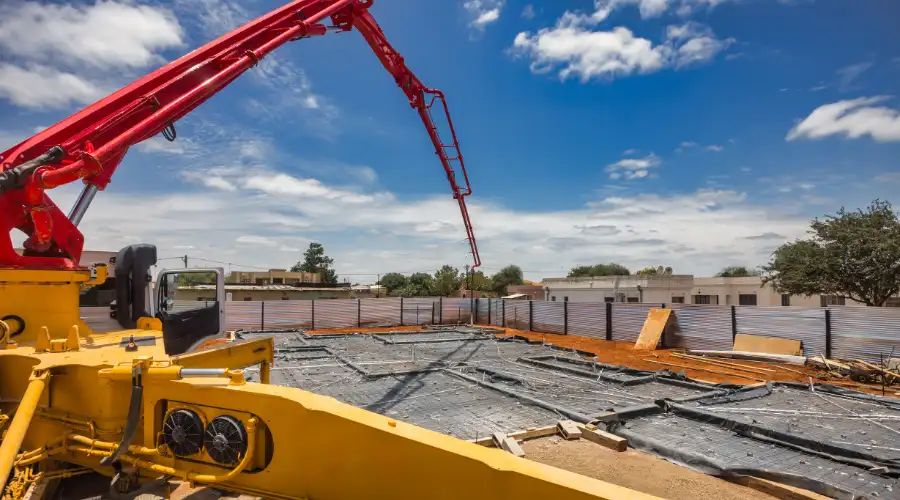
If the force of gravity is not enough to pull the concrete through the tremie pipe, then the concrete pump will be used for the job of driving the concrete in place with an even distribution to the extending height.
Working as a single system, these parts not only make the job easier but also ensure reliable and quality methods for casting underwater structures, thereby maintaining their durability.
What Is a Tremie Pipe?
A tremie pipe is a watertight pipe used to place concrete below water level. It usually has a hopper at the top for receiving concrete and a discharge opening at the bottom.
|
Tremie Pipe Part |
Function |
|
Hopper |
Receives concrete at the top |
|
Pipe sections |
Carry concrete downward |
|
Joints or couplers |
Connect pipe lengths and prevent leakage |
|
Bottom outlet |
Discharges concrete into the placement zone |
|
Plug or seal |
Helps start the first concrete flow without water contamination |
|
Lifting arrangement |
Allows controlled raising of the pipe during concreting |
The pipe must remain full of concrete during placement. If water enters the pipe, the concrete may become contaminated and weak.
Uses of Tremie Concrete in Construction
Some examples of where tremie concreting is employed include,
- Bridge Piers: The foundation of the piers, which are located in the water, either underwater in the sea or in coastal areas.
- Ports and Docks: This area uses concrete that is to be placed below the water table.
- Waterlogged Basements: Such types of basements are usually found in concrete wells or close to other water sources in the ground.
- Tunnels or Diaphragm Walls: Longitudinally, the concrete material is attached to the wall in deep excavations.
Tremie Concrete vs Normal Concrete
|
Factor |
Tremie Concrete |
Normal Concrete |
|
Placement condition |
Underwater or below support fluid |
Usually dry or accessible area |
|
Placement method |
Through tremie pipe |
Pumping, pouring, or chute |
|
Workability |
Higher and more controlled |
Depends on use |
|
Washout resistance |
More important |
Usually not a major concern |
|
Segregation control |
Critical |
Important but easier to manage |
|
Inspection |
Difficult during placement |
Easier to inspect |
|
Common use |
Piles, marine works, bridge foundations |
Slabs, beams, columns, floors |
Normal concrete should not be used underwater without a proper method and mix design. Tremie placement needs both suitable concrete and correct execution.
Advantages of Using Tremie Concreting
The concrete placement with a tremie pipe has several advantages, such as
- This technique prevents the loss of cement, keeping the concrete unaffected by water, and thus serves as the ideal solution for quality preservation.
- The flow is smooth and even. Hence, all parts of the structure gain equal strength.
- It does not create many voids and honeycombing in the concrete, thereby improving its lifespan with the help of this method.
- The method minimizes the chance of the concrete having zones that are weak due to wetness-induced factors, as well as continuing to be a hard reason that triggers a wide range of voids early in the process.
Disadvantages of Using Tremie Concreting
There are certain points that need to be dealt with in spite of the positive attributes,
- Precision and timing are essential to accomplishing the task.
- For the job to be done correctly, the approach needs cranes and pumps to be installed.
- The wrong material proportion may lead to the blockage of the tremie pipe.
- The construction in a limited space can be very complicated.
If a team of experts who planned the project carefully is available, then those problems can be solved successfully.
How to Choose the Right Concrete Mix for the Tremie Method?
The following mix properties are important for success,
- Slump Around 175–200 mm: This range ensures that the mix flows easily through the Tremie pipe while maintaining enough consistency to prevent segregation. The concrete must be fluid but cohesive.
- Anti-Washout Admixtures: These admixtures help keep the cement particles suspended in the mix, preventing them from washing away when exposed to water, which ensures the strength and integrity of the poured concrete.
- Moderate Aggregate Size: Typically, the aggregate size should be no larger than 20 mm. This ensures that the mix remains free-flowing and does not clog the Tremie pipe during the pour.
- Slow Initial Set: A slower setting time is necessary to allow the pour to be completed without premature hardening, especially for deep or underwater pours.
- Cohesiveness and Free-Flowing Nature: The mix should be cohesive enough to resist segregation but free-flowing to ensure smooth placement.
By customizing the concrete mix with these factors in mind, a successful and stable tremie concrete pour can be achieved, even under challenging underwater conditions.
Tremie Concrete Cost
Tremie concrete is usually more expensive than regular concrete because it needs special equipment, skilled labour, and careful handling to ensure proper underwater placement. In India, the overall cost of tremie concrete typically falls between ₹4,000 and ₹10,000 per cubic metre, and may go higher for deeper or more complex underwater projects.
Let’s understand the cost breakdown. The cost of normal ready-mix concrete, like M25 grade, is generally around ₹3,500 to ₹7,500 per cubic metre; it mostly depends on the location, mix design, and supplier. In addition, when the tremie method is used, you can expect an extra 10% to 30% increase to cover the use of tremie pipes, hoppers, anti-washout admixtures, and experienced workers.
Although the initial cost is higher, the tremie method provides strong, durable, and void-free concrete placement, which makes it a reliable choice for critical structures like bridge piers, piles, and underwater foundations.
Common Mistakes in Tremie Concrete Work
Avoid these mistakes during tremie concreting:
- Lifting the tremie pipe outlet out of fresh concrete
- Starting without a proper plug or sealing method
- Using concrete with poor workability
- Allowing long interruptions during the pour
- Using leaking tremie pipe joints
- Choosing large aggregate that may block the pipe
- Not checking concrete supply rate before starting
- Ignoring support fluid contamination or sediment at the bottom
- Moving the tremie pipe too aggressively
- Failing to record concrete volume and level rise
A small execution error can create weak, washed-out, or segregated zones that are difficult to repair later.
Quality Checks Before and During Placement
|
Stage |
Quality Check |
|
Before concreting |
Check borehole, formwork, tremie pipe, and placement plan |
|
Concrete supply |
Confirm continuous supply and backup arrangements |
|
Mix quality |
Check workability, cohesion, and approved mix design |
|
Tremie pipe |
Ensure watertight joints and proper pipe length |
|
Starting method |
Use suitable plug or seal to prevent water entry |
|
During pour |
Maintain pipe embedment in fresh concrete |
|
Concrete level |
Monitor level rise and volume placed |
|
Flow continuity |
Avoid stoppages and sudden pipe movement |
|
Final stage |
Remove contaminated top concrete if required |
|
Records |
Maintain pour log, tests, volume, time, and level data |
The Concrete Centre and other tremie guidance sources emphasise that underwater placement depends heavily on controlled flow and avoiding segregation or washout.
Real-Life Examples of Tremie Concrete Use
The tremie method has been successfully used in several large-scale and iconic infrastructure projects around the world. Some well-known examples include:
- Bandra–Worli Sea Link, Mumbai (India): Tremie concrete was used to construct the deep underwater pile foundations that support the bridge’s pylons in the Arabian Sea.
- Howrah Bridge Renovation, Kolkata (India): During repair and strengthening work, the tremie method helped place dense concrete underwater without disturbing river traffic.
- Hong Kong–Zhuhai–Macau Bridge (China): Tremie concreting was applied for the massive underwater foundations in challenging marine conditions.
- Channel Tunnel (UK–France): Certain underwater sections of the tunnel’s support structures used tremie concrete for leak-proof and durable foundations.
Conclusion
Tremie concrete is a controlled method for placing concrete underwater or below support fluids through a pipe. It is mainly used in bored piles, diaphragm walls, bridge foundations, caissons, and marine works. Its success depends on flowable concrete, cohesive mix design, watertight pipe joints, continuous supply, proper starting method, and maintaining pipe embedment. Tremie concrete should always be handled by experienced teams because poor placement can cause washout, segregation, weak zones, and long-term durability issues.
FAQs
- What is tremie concrete?
Tremie concrete is concrete placed underwater or below support fluid through a tremie pipe. The pipe delivers concrete to the bottom of the pour area so fresh concrete displaces water upward and reduces washout. - What is the tremie method of concreting?
The tremie method is an underwater concreting process where concrete is poured through a vertical pipe. The lower end of the pipe is kept embedded in fresh concrete during placement to prevent water from entering the concrete flow. - Where is tremie concrete used?
Tremie concrete is used in bored piles, diaphragm walls, bridge piers, caissons, marine structures, underwater repairs, and deep foundations. It is selected where normal concrete placement is difficult because of water or support fluid. - Why is tremie pipe kept embedded in concrete?
The tremie pipe is kept embedded to stop water or slurry from entering the pipe outlet. This helps prevent cement washout, segregation, weak concrete pockets, and contamination during underwater placement. - What type of concrete is used for tremie work?
Tremie work needs flowable, cohesive concrete that can move through the pipe without segregating. The mix may include admixtures for workability retention, anti-washout performance, or delayed setting depending on project conditions. - What are the advantages of tremie concrete?
The main advantages are controlled underwater placement, reduced washout, better continuity, lower segregation risk, and suitability for deep foundations and marine structures. It allows concrete work where dewatering may not be practical. - What are common problems in tremie concreting?
Common problems include pipe blockage, concrete segregation, loss of pipe embedment, water contamination, cold joints, poor workability, and interrupted supply. Proper planning and continuous monitoring help reduce these risks. - Is tremie concrete used in house construction?
Tremie concrete is not common in normal house construction. It may be used only when a house project involves deep piles, high groundwater, or foundation work where concrete must be placed below water or slurry.
 Sowjanya Siddanoor